Nigeria has said the planned withdrawal of about 200 United States military personnel from the country will not weaken or terminate the longstanding Nigeria-US security partnership, as the Armed Forces emphasised that responsibility for national defence remains primarily with Nigerian security forces.
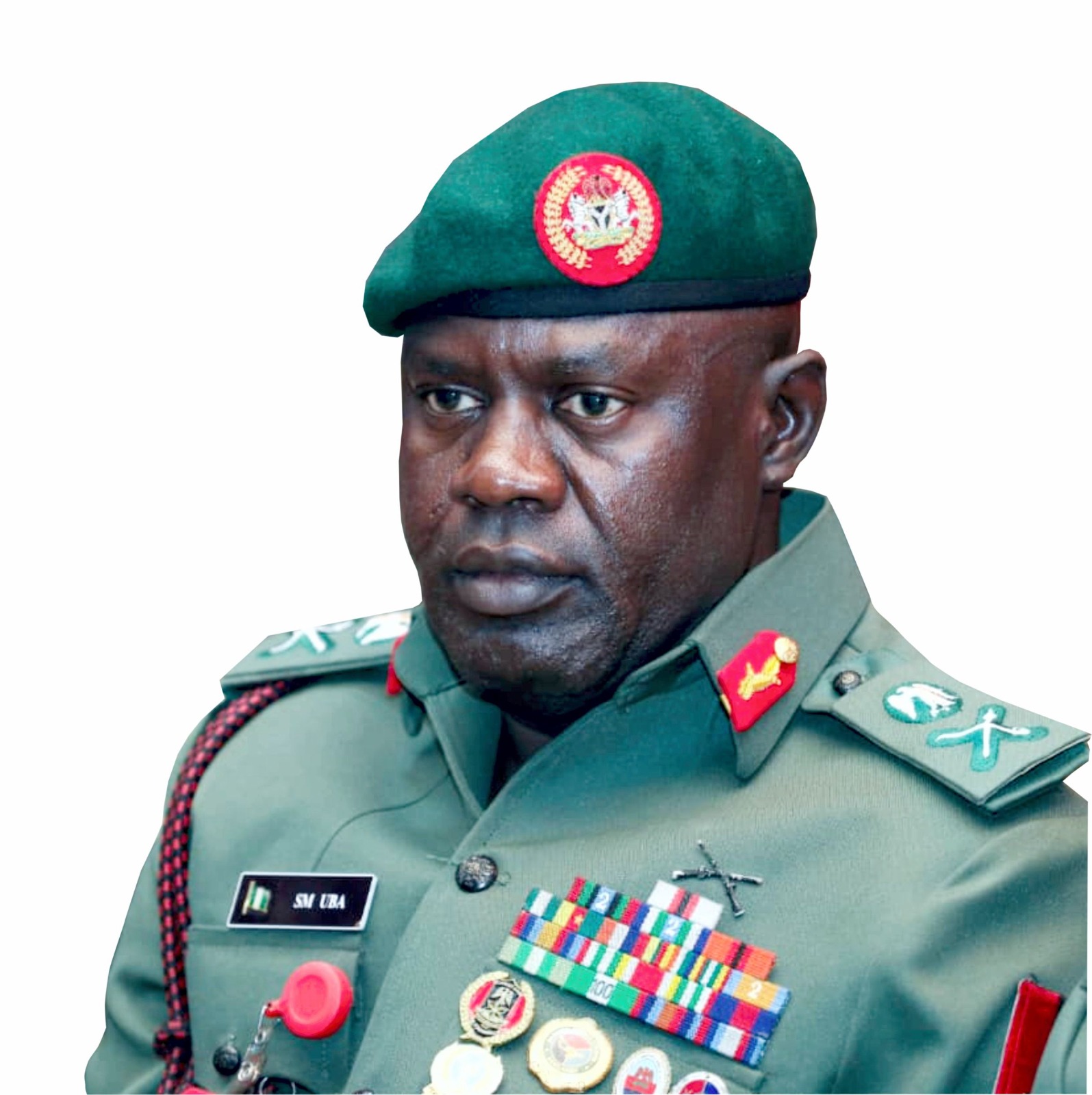
The Director Defence Information, Major General Samaila Uba, gave the clarification while responding to questions from defence correspondents at the Joint Security Press Briefing organised by the Office of the National Security Adviser in Abuja on Tuesday.
The clarification places the planned US drawdown within what the Defence Headquarters described as an evolving, mission-specific adjustment in bilateral military engagement, rather than a deterioration in security cooperation or a reduction in Nigeria’s capacity to defend its territory.
READ ALSO: Nigeria, US Strengthen Strategic Partnership on Security
General Uba said the deployment of US personnel had been tied to specific operational and counterterrorism objectives and that the planned reduction should therefore be understood in that context.
He stressed that key components of the bilateral security relationship would continue, particularly intelligence cooperation, training, information sharing, technical assistance and other forms of professional military cooperation.
The Defence Headquarters also maintained that where Nigeria and the United States jointly assess the need for additional operational measures, including joint strikes, such cooperation remains possible.
According to General Uba, the partnership has continued to produce valuable outcomes in counterterrorism and efforts against other transnational security threats.
He therefore urged the media and the public not to interpret a routine or mission-specific adjustment in foreign military presence as evidence of a collapse in Nigeria’s security cooperation or national defence capability.
The clarification came alongside a broader reaffirmation of the Armed Forces’ position on the use of military force against terrorist organisations.
General Uba stated that the Nigerian Armed Forces do not negotiate with terrorists and do not support the payment of ransom. He explained that the military’s principal responsibility remains kinetic operations aimed at defeating terrorists and other armed threats to national security.
He, however, distinguished that role from the wider whole-of-nation approach to security, under which the Armed Forces support other stakeholders in non-kinetic initiatives where required.
Such participation, he stressed, does not amount to military support for negotiations with terrorists or ransom payments.
General Uba further clarified that some peace and dialogue initiatives are state-led interventions, citing the Benin Gwari initiative as an example of the Kaduna State model.
He reiterated that, in internal security operations, the police remains the lead agency, with the Armed Forces providing support within their constitutional and operational responsibilities.
The clarification on the Nigeria-US relationship and the military’s operational posture comes against the backdrop of sustained security operations across the country in July and August.
The Defence Headquarters reported that the Armed Forces conducted 7,062 security operations during the two-month period against terrorism, banditry, kidnapping, armed robbery, arms trafficking, oil theft and other forms of criminality across all six geopolitical zones.
The operations resulted in 1,487 terrorists and insurgents neutralised, 354 suspects arrested and 777 kidnapped victims rescued. Security forces also recorded 93 personnel casualties and 249 verified civilian casualties during the reporting period.
Troops recovered 91 firearms, 1,331 rounds of ammunition and 44 improvised explosive devices, with the recovered explosives safely detonated.
The Defence Headquarters identified the rescue of the 777 kidnapped victims from a terrorist enclave as the most notable operational achievement during the period.
It also reported that 309 Boko Haram and Islamic State West Africa Province fighters were neutralised during the operations, alongside the dismantling of terrorist operational bases and the recovery of weapons, motorcycles and livestock.
Beyond kinetic operations, the Armed Forces reported nine dialogue and peace-building initiatives and 15 stakeholder engagements involving traditional and religious leaders.
The military also said that it issued 137 press releases during the period and identified and countered 13 instances of misinformation.
Threats to Pipelines
No major border or transnational incidents, critical infrastructure vandalism, prison breaks or threats to pipelines, railways and highways were recorded during the reporting period, according to the Defence Headquarters.
The figures indicate that the Armed Forces’ current security posture combines sustained offensive operations with intelligence-led interventions, inter-agency cooperation and limited non-kinetic engagement, while retaining kinetic action as the principal military instrument against armed terrorist and criminal groups.
The Defence Headquarters reaffirmed its commitment to defeating terrorism, banditry, kidnapping, separatist violence, crude oil theft and other threats to national security, while encouraging citizens to provide timely and actionable intelligence to security agencies.
It also acknowledged President Bola Ahmed Tinubu’s strategic guidance and support for the Armed Forces, as well as the contribution of other security agencies and members of the public to ongoing security operations.