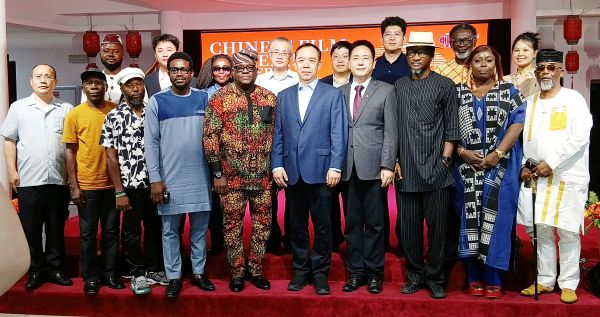
China and Nigeria have expressed commitment to strengthening cooperation in filmmaking, film distribution, technology transfer and cultural exchange, with a focus on combining Nollywood’s storytelling strengths with China’s production capabilities and extensive film market.
The commitment was highlighted at the Chinese Film Screening and Exhibition in Nigeria 2026, held in Abuja, which brought together Chinese cultural officials, film industry representatives, distributors and Nigerian filmmakers.
Speaking at the event, the Director of the China Cultural Centre in Nigeria, Yang Jianxing, described cinema as a powerful instrument for strengthening relations between the two countries and promoting mutual understanding among their peoples.
READ ALSO: Nigeria, China Deepen Film, Media Cooperation

“Light and shadow traverse mountains and seas, while art bridges the hearts of the people. Film cooperation has become an important component of bilateral cultural relations, with both countries recording progress through reciprocal film festivals, professional exchanges, and the translation and broadcasting of films and television productions,” Yang said.
He explained that the exhibition reflected growing cultural relations between China and Nigeria and aligned with Chinese President Xi Jinping’s Global Civilisation Initiative, which promotes respect for cultural diversity and mutual learning among civilisations.
“In recent years, cooperation in the film industry has become a brilliant chapter in China-Nigeria cultural and people-to-people exchanges,” Yang noted.
He disclosed that the Chinese Embassy and the China Cultural Centre had organised several initiatives over the past two years to introduce Chinese films and television productions to Nigerian audiences, including a month-long showcase organised in collaboration with StarTimes and the Chinese Women’s Film Festival.

“Screenings of productions such as Nanjing Photo Studio and Shenzhou 13 are part of efforts to broaden Nigerians’ exposure to Chinese cinema,” the Director said.
Yang explained that dubbing and subtitling in languages including Hausa had made Chinese productions more accessible to local audiences, while Nigerian films were also gaining exposure on Chinese digital media platforms.
“This exchange demonstrates how cinema could serve as a two-way channel for cultural understanding rather than merely a means of entertainment. Each encounter on the silver screen brings our people closer together, solidifying the public foundation for bilateral ties,” he stressed.
Also speaking, the Chairman of Huaxia Film Distribution Co. Ltd., Bai Yimin, who led the Chinese film delegation, commended Nigeria’s film industry for its contribution to African storytelling and cultural promotion.
“Nigeria is one of Africa’s most populous nations with a rich cultural heritage. The world-renowned Nollywood is deeply rooted in local life and produces a wealth of vibrant indigenous stories, serving as a vital force in the dissemination of African culture,” Bai said.
He noted that China and Nigeria shared a longstanding friendship and that film offered an effective platform for strengthening people-to-people relations.

Bai said China’s extensive film market and established industry system provided opportunities for creative collaboration, adding that Chinese productions explored both traditional culture and the everyday experiences of ordinary people.
He identified “Blades of the Guardians: Wind Rises in the Desert” and “The Lychee Road” as two films featured at the exhibition that showcased different aspects of Chinese history, culture and cinematic storytelling.
Bai described “Blades of the Guardians” as a production reflecting the distinctive Eastern tradition of chivalry and China’s advances in film industrialisation.
He said “The Lychee Road”, set during the High Tang Dynasty, used the long-distance transportation of lychees to portray a complex social landscape and the changing fortunes of ordinary people.
“Film transcends national borders, and art has no boundaries,” Bai stated, expressing hope that the event would strengthen exchanges between Chinese and Nigerian filmmakers and encourage both countries to tell their stories to wider audiences.
The Founder of the Abuja International Film Festival, Fidelis Duker, described the exhibition as an opportunity to translate cultural engagement into practical commercial partnerships.
Duker, whose festival was marking its 23rd year, described the collaboration between the festival and the Chinese Embassy as a growing partnership capable of creating new opportunities for both film industries.
He welcomed Bai’s participation, noting that his position at Huaxia Film Distribution could help connect Chinese cinema with the Nigerian and wider African markets.
According to Duker, more than 10 Chinese films had entered the festival circuit during the current season, with about five competing for awards scheduled for Saturday.
He said the programme included screenings of “The Lychee Road, Blades of the Guardians and Shadow Edge”, alongside industry engagements aimed at expanding commercial opportunities for Chinese films in Nigeria.
“We are not just here to watch movies; we are here to build an ecosystem,” Duker said.
He disclosed that discussions with the National Film and Video Censors Board (NFVCB) and film distributors from Lagos were being pursued to address regulatory frameworks and establish sustainable theatrical distribution channels for Chinese productions in Nigeria.
Duker said the collaboration could create opportunities for co-productions, technical cooperation, professional training and cross-border investment, adding that Nollywood’s creative strengths could complement China’s technical infrastructure, capital and distribution networks.
“When you marry Nigerian narrative vitality with Chinese technical infrastructure, capital, and the unparalleled distribution expertise represented by leaders like Mr Bai, the opportunities for our film industries are limitless,” he stressed.
He maintained that stronger cooperation could help Nigerian filmmakers access Asian markets while introducing Chinese productions to more African audiences.
Duker urged participants to use the exhibition to establish lasting relationships that would extend beyond screenings and cultural events.
“Let us use this week to watch, to network, to learn, and to build a commercial cinematic highway between Nigeria and China,” he added.
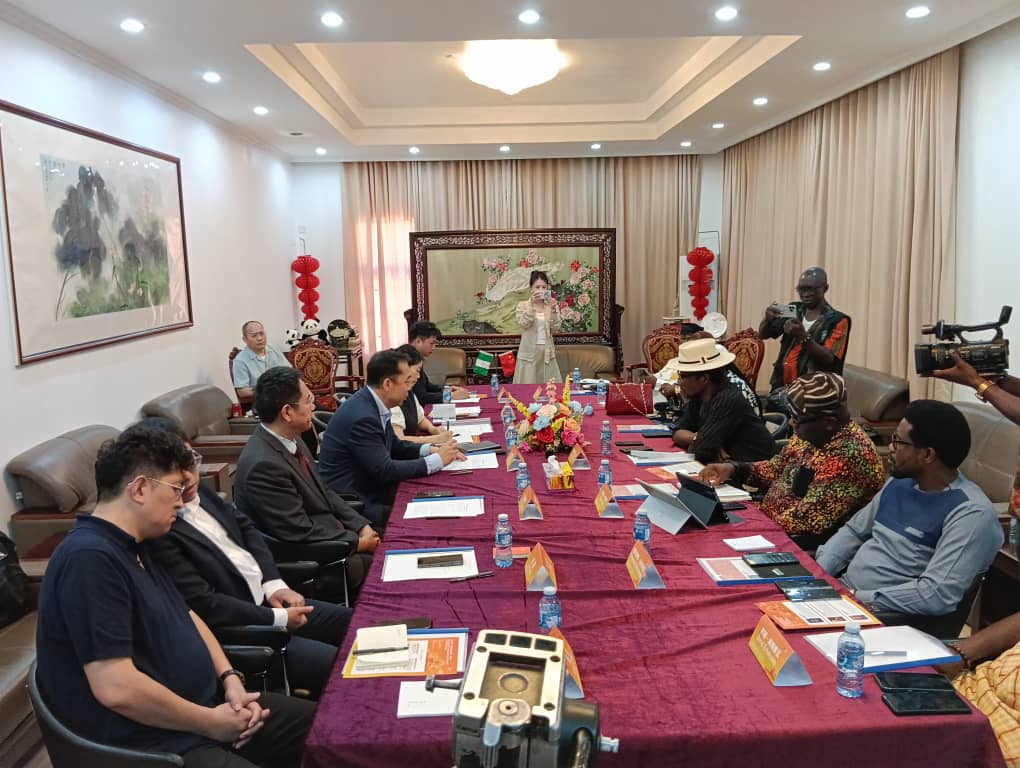
Other highlights of the programme included a roundtable meeting on Chinese film and dance performances.
The exhibition underscored the growing importance of cultural diplomacy and creative-industry partnerships in Nigeria-China relations, with stakeholders expressing hope that continued engagement would translate into stronger distribution networks, joint productions and greater international visibility for filmmakers from both countries.