

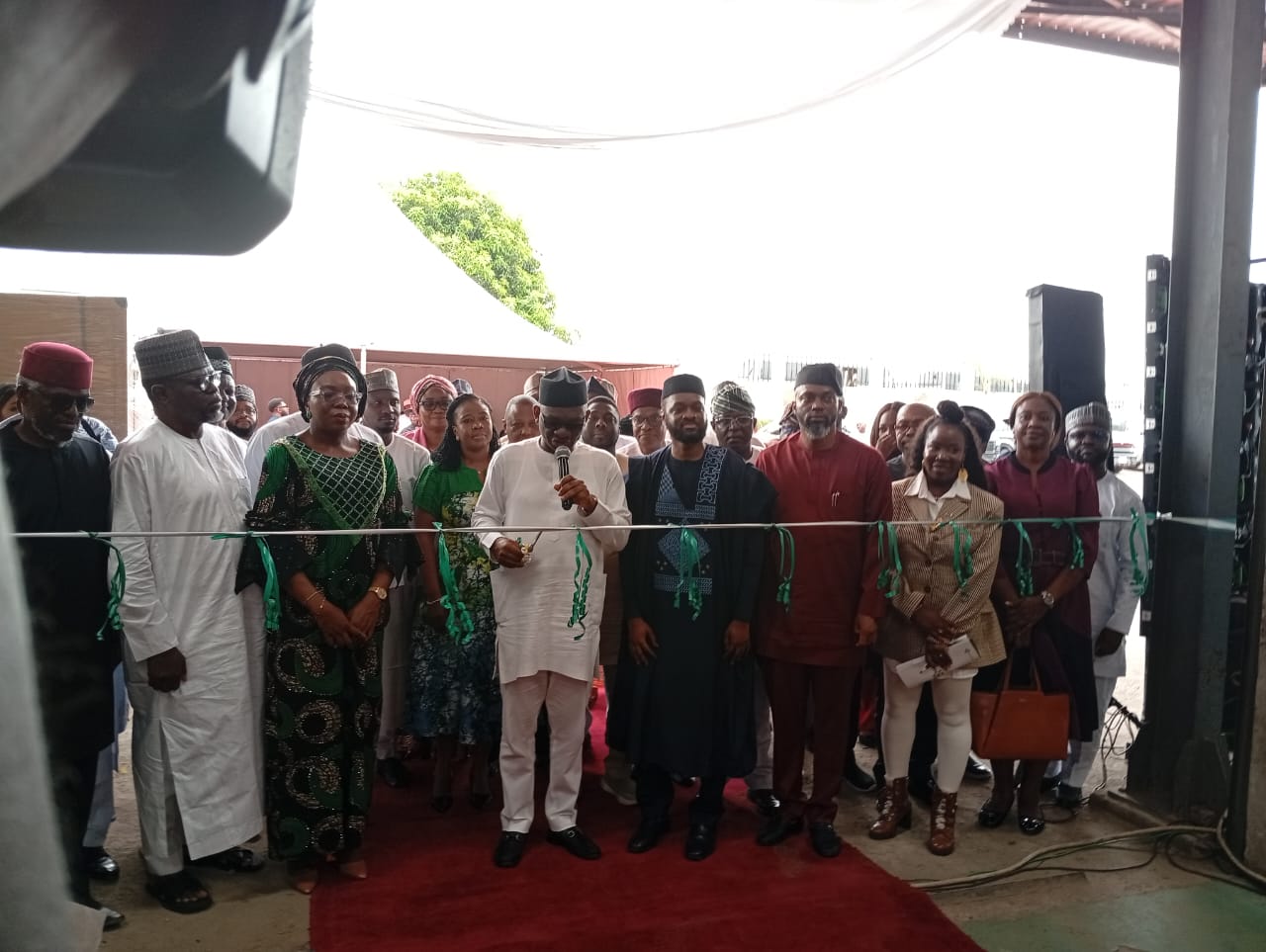
The Nigerian Government has launched the nationwide distribution of medical equipment to Comprehensive Emergency Obstetric and Newborn Care (CEmONC) facilities under Nigeria’s Sector-Wide Approach (SWAp).
This Launch marks another major step in efforts to reduce maternal and newborn deaths across the country.
The targeted intervention, valued at nearly $200,000 per state, is part of a monumental push under the Sector-Wide Approach (SWAp) to drastically reduce maternal and neonatal mortality across Nigeria.
READ ALSO: Nigerian Government Launches Marine Litter Prevention Policy Brief
Speaking on behalf of the Coordinating Minister of Health and Social Welfare, Professor Muhammad Ali Pate, the Executive Director of the National Primary Health Care Development Agency (NPHCDA), Dr. Muyi Aina, stressed that the deployment represents a promise fulfilled.
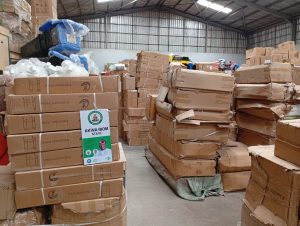
Dr. Aina noted that the current milestone builds upon an initial intervention launched six months ago targeting 500 primary health centers, which has already enabled over 40,000 women to access life-saving healthcare.
“These are not just numbers; these are our sisters, our mothers, and our neighbors getting a second chance at life. Whenpolitical leaders commit to health, we are building a foundation for national prosperity, stability, and human capital development,” Dr Aina said.
Aina said the intervention was not merely ceremonial but part of a broader national effort to strengthen Nigeria’s health system through coordinated collaboration among federal, state and local governments, development partners, and health institutions.
He stressed that sustainable healthcare improvements would require more than infrastructure and equipment, urging state governments to invest in staffing, rehabilitation of secondary facilities, and improved quality of care.
“Infrastructure and equipment alone cannot save lives. Facilities must be functional, staffed, and capable of delivering quality services,” he said.
Proper Deployment
He also charged states to ensure proper deployment and accountability in the use of the equipment, warning against diversion or abandonment of the resources.
“Let these resources not remain in stores or end up in private facilities. We will work with states to ensure accountability and maximum value,” he said.
Aina noted that the Nigerian Government and several states had already increased salaries and introduced incentives for healthcare workers to address workforce shortages and improve retention.
Presenting the progress under the Health Sector Compact, the National Coordinator of the SWAp Coordination Office, Dr. Muntaqa Umar-Sadiq, explained that the distribution was guided by rigorous, state-led assessments of 630 secondary facilities, which initially revealed a baseline readiness score of just 42%.
He said the current intervention covered labour rooms, operating theatres, laboratories, neonatal units, pharmacies, oxygen systems, and other critical areas needed to improve maternal and newborn survival.
Umar-Sadiq explained that the selection of equipment was state-specific, with states identifying their most urgent needs through assessments.
“Some states prioritised neonatal care and requested incubators and baby warmers, while others needed oxygen concentrators or pharmaceutical-grade refrigerators,” Umar-Sadiq said.
He added that the programme was designed as a phased intervention, with additional states and facilities expected to benefit in subsequent phases after further assessments.
The event drew participation from representatives of the Nigeria Governors’ Forum, commissioners for health, development partners including the World Bank and the U.S. government, civil society organisations, and healthcare agencies.
Stakeholders described the intervention as a significant milestone in Nigeria’s drive to improve maternal and newborn healthcare outcomes and advance universal health coverage nationwide.


 facilities under Nigeria’s Sector-Wide Approach (SWAp), marking another major step in efforts to reduce maternal and newborn deaths across the country.)