


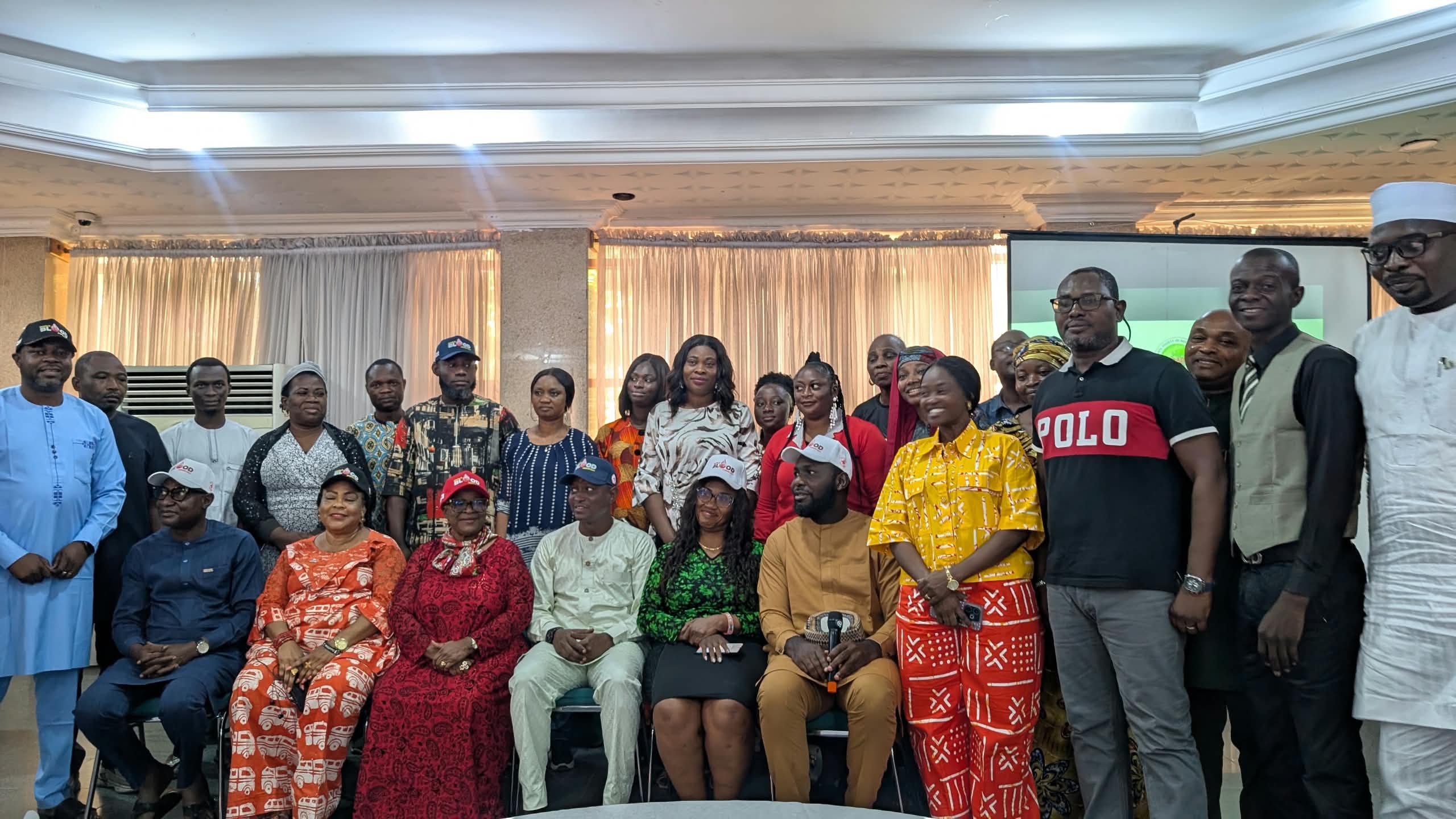
The National Blood Service Agency (NBSA) says it is intensifying efforts to address the shortage of blood supply in Nigeria through improved blood management systems, stronger hospital linkages and increased public awareness on voluntary blood donation.
The Director-General of the NBSA, Prof. Saleh Yuguda, disclosed this at a media roundtable on voluntary blood donation organised by the agency in collaboration with the International Society of Media in Public Health.
Prof. Yuguda who was represented by the coordinator of the Abuja Centre of the Agency, Dr Aliyu Waziri, said the Agency’s centres collected only about 24,000 to 25,000 units of blood last year, despite the country’s population of over 200 million, stressing the need for more Nigerians to embrace voluntary, non-remunerated blood donation.
ALSO READ:Nigeria Government Seeks Private Sector Support For Blood Services
He said the Agency was introducing a National Blood Management System, an electronic platform designed to track blood units from donors to recipients, monitor safety and provide real-time information on blood availability across the country.
“The Agency is also strengthening the registration and regulation of public and private blood banks, while promoting hospital linkages to ensure that hospitals obtain blood directly from approved centres rather than individuals collecting and transporting blood under unsafe conditions”. He said.
“One of the challenges we have is that demand outweighs supply, we have very limited donors, and this is where the media can help us sensitise the public and encourage more people to donate blood voluntarily”. He added.
Prof. Yuguda also called for government intervention to make blood available free of charge to patients, explaining that removing financial barriers could encourage more people to donate and improve access to life-saving blood.
The coordinator further urged journalists to help address myths and misconceptions surrounding blood donation, particularly cultural beliefs about the placenta and cord blood, to encourage public acceptance of emerging medical innovations.
Earlier, a veteran journalist and health communication advocate, Moji Makanjuola, called on media organisations to intensify advocacy for voluntary blood donation, describing public enlightenment as essential to addressing Nigeria’s persistent blood shortage.
Makanjuola said journalists should consistently educate Nigerians on the importance of blood donation, eligibility requirements, approved donation centres and the need to donate voluntarily without expecting financial rewards.
She identified misinformation and cultural misconceptions as major barriers, noting that some Nigerians wrongly believed that blood donation caused weakness, infertility, illness or permanent loss of blood.
She urged journalists to counter such beliefs with accurate information from healthcare professionals and blood transfusion experts, while educating the public on donor screening and the prevention of transfusion-transmissible infections.
Makanjuola also called for improved healthcare infrastructure, particularly at the primary healthcare level, where inadequate electricity and blood storage facilities could undermine the availability of safe blood.
She urged journalists to investigate conditions in healthcare facilities and hold policymakers accountable for ensuring that hospitals had functional blood banks and appropriate equipment.
“Journalists should encourage people to become regular voluntary blood donors rather than donating only during emergencies, this helps to maintain a stable supply of safe blood in hospitals and blood banks,” she said.
Similarly, the President of the Association of Nigerian Health Journalists, Joseph Kadiri, described voluntary blood donation as a humanitarian responsibility that transcended religious, ethnic and political differences.
Kadiri said access to blood during medical emergencies should take priority over differences in religion, political affiliation or geographical background.
He reaffirmed the association’s commitment to public education on voluntary blood donation, disclosing that the issue would feature at its annual health conference scheduled for November 26.
The roundtable also featured the inauguration of a media cell to strengthen collaboration between journalists and the Agency, facilitate access to timely and verified information, promote voluntary blood donation and improve public understanding of safe blood transfusion.
Victoria Ibanga

 says it is intensifying efforts to address the shortage of blood supply in Nigeria through improved..)