The Nigerian Government and development partners have renewed their commitment to coordinated, evidence-driven action to end child, early and forced marriage, with a focus on stronger systems, empowered girls and effective implementation of existing policies.
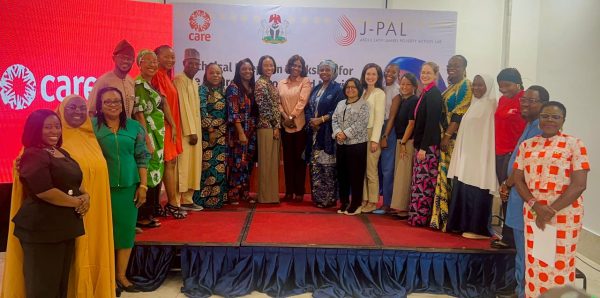
The commitment was made in Abuja at the Technical Inception Workshop of the Future Free from Child Marriage (FFCM) Project, organised by CARE Nigeria, CARE USA and J-PAL, in collaboration with the Nigerian Government.
In her opening remarks, CARE Nigeria Deputy Country Director, Programmes, Jennifer Orgle, said; “addressing child marriage required more than isolated interventions.”
Orgle urged stakeholders to strengthen systems, promote local ownership and focus on sustainable solutions capable of delivering lasting results beyond individual project cycles.
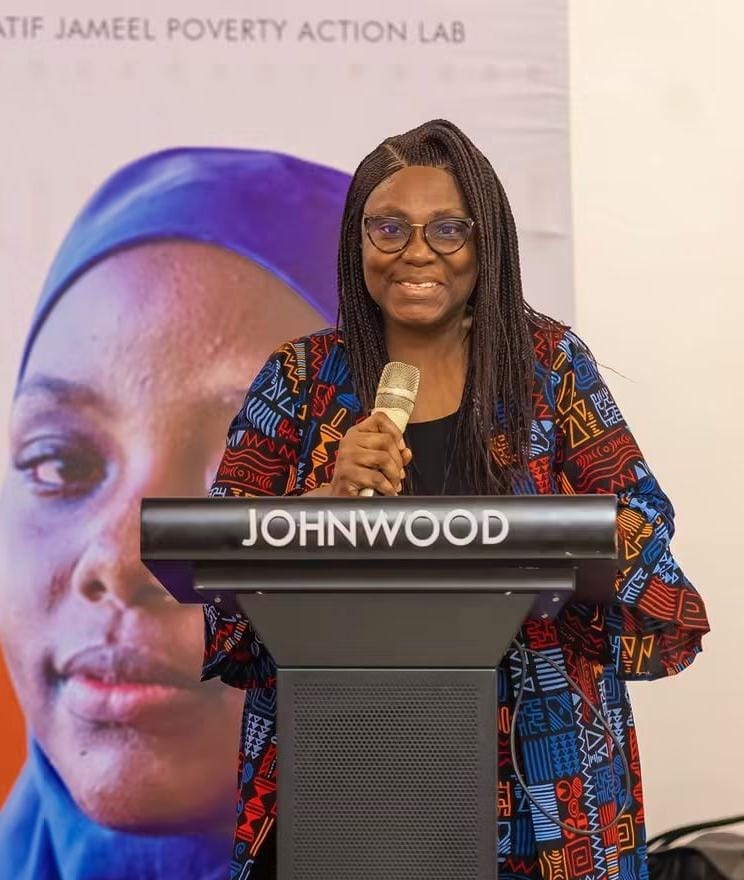
“We do not come into this room assuming that we have all the answers. We are here to listen, learn, challenge assumptions and co-create,” Orgle said.
She stressed that sustainable change would occur when adolescent girls had a voice, agency and meaningful opportunities to influence decisions affecting their lives.
Representing the Federal Ministry of Women Affairs and Social Development, Mrs Miriam Shaibu reaffirmed the Government’s leadership, citing the reviewed National Strategy on Ending Child Marriage and its Costed Action Plan.
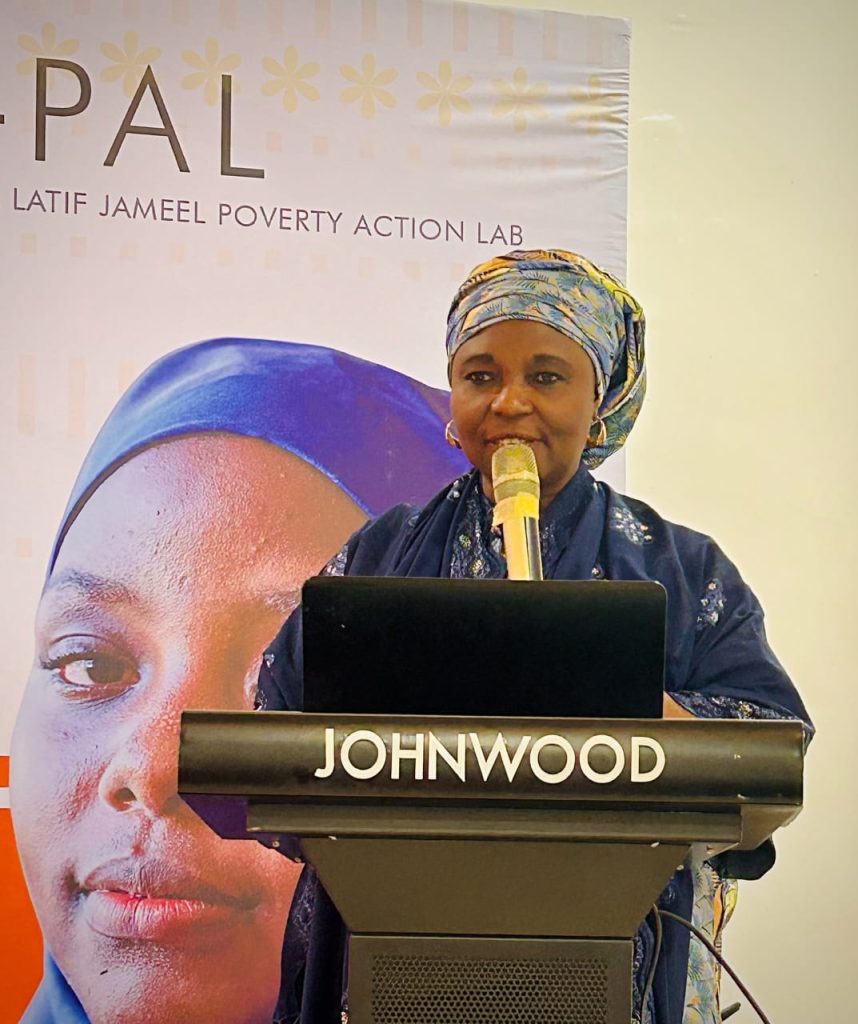
She urged stakeholders to move from policy formulation to implementation by prioritising girls’ education, family support, community ownership and evidence-based programming, while ensuring that interventions aligned with national priorities and delivered measurable results.
“Our girls must have a voice, families must have the support they need, and communities must be active partners in creating lasting change,” Shaibu said.
She also highlighted government support for children’s parliaments nationwide as part of efforts to strengthen children’s participation in decisions affecting them.
Representing the Federal Ministry of Education, Njideka Ogbuke said education remained a powerful platform for protecting adolescents, building agency and enabling informed choices.
She highlighted Family Life and Health Education, increasingly framed within Education for Health and Well-Being, as a vehicle for equipping learners with life skills, knowledge and confidence.
“The right knowledge is one of the greatest forms of empowerment for making informed decisions,” Ogbuke said, advocating a whole-of-government and whole-of-society response.
The Federal Ministry of Labour and Employment linked child marriage to child labour, forced labour, trafficking and modern slavery.
The Director of Inspectorate, Olaolu Olaitan, said early marriage could force children out of school and into unpaid household or exploitative work.
“Child marriage is a form of modern slavery,” she said, pledging the Ministry’s support for efforts to eliminate the practice while seeking stronger collaboration to combat child labour.
The National Council of Women’s Societies (NCWS), represented by Programme Officer Nnnena Emedolibe, welcomed the project’s emphasis on social norms transformation and girls’ education.
She said the NCWS would leverage its grassroots networks across the 36 states and the Federal Capital Territory to mobilise communities and advocate policies that protect girls.
Representing the Nigeria Governors’ Spouses’ Forum, Programme Manager Omowunmi Ayokabami said ending child marriage required sustained investment in protection, education and social norms change.
“Ending child marriage is not simply about preventing an outcome; it is about creating the conditions in which every girl can grow into all that she is capable of becoming,” she said.