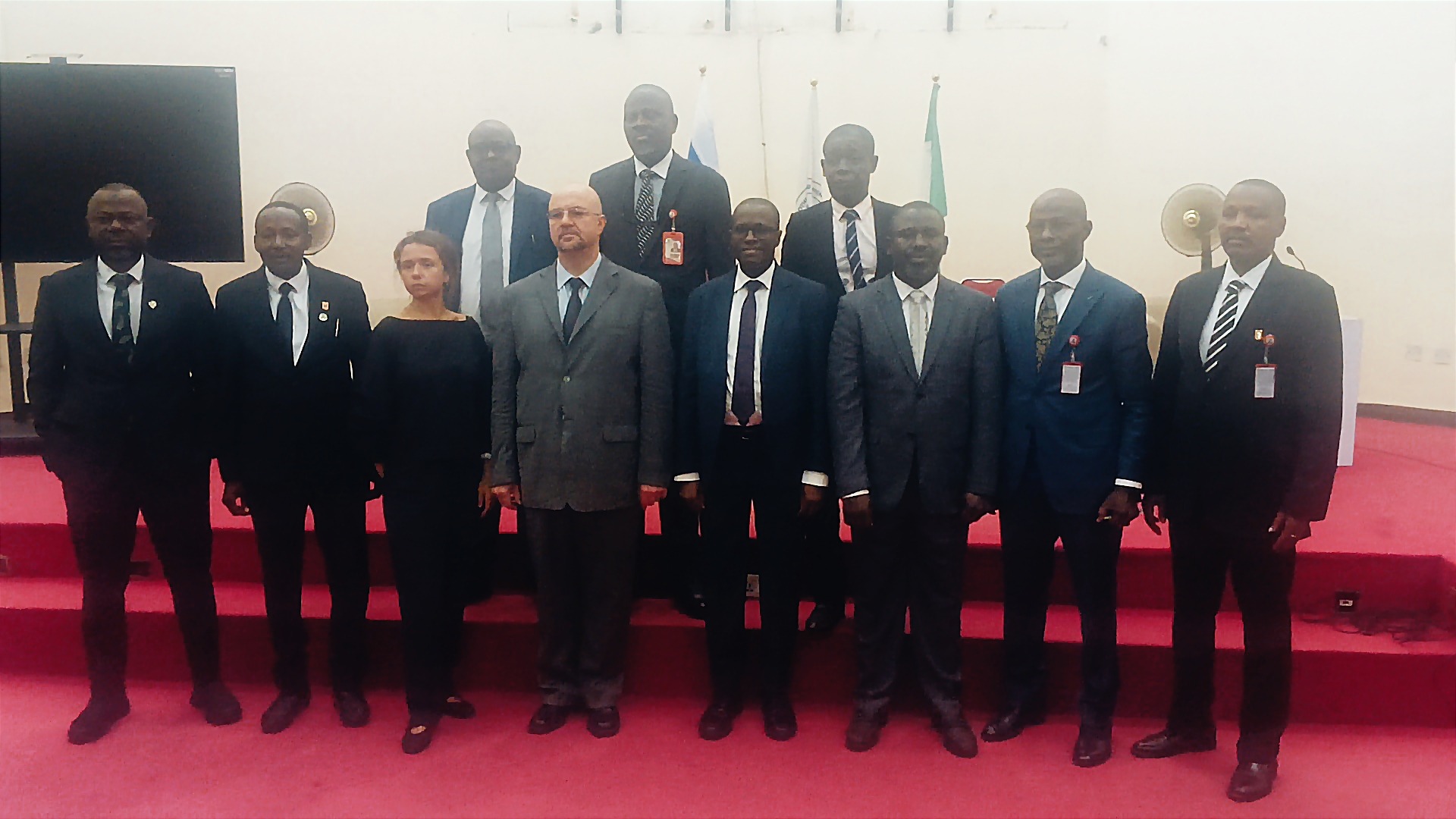
The Independent Corrupt Practices and Other Related Offences Commission (ICPC) has called for stronger international cooperation and knowledge-sharing with Russia to strengthen anti-corruption strategies, institutional reforms and preventive mechanisms in Nigeria.
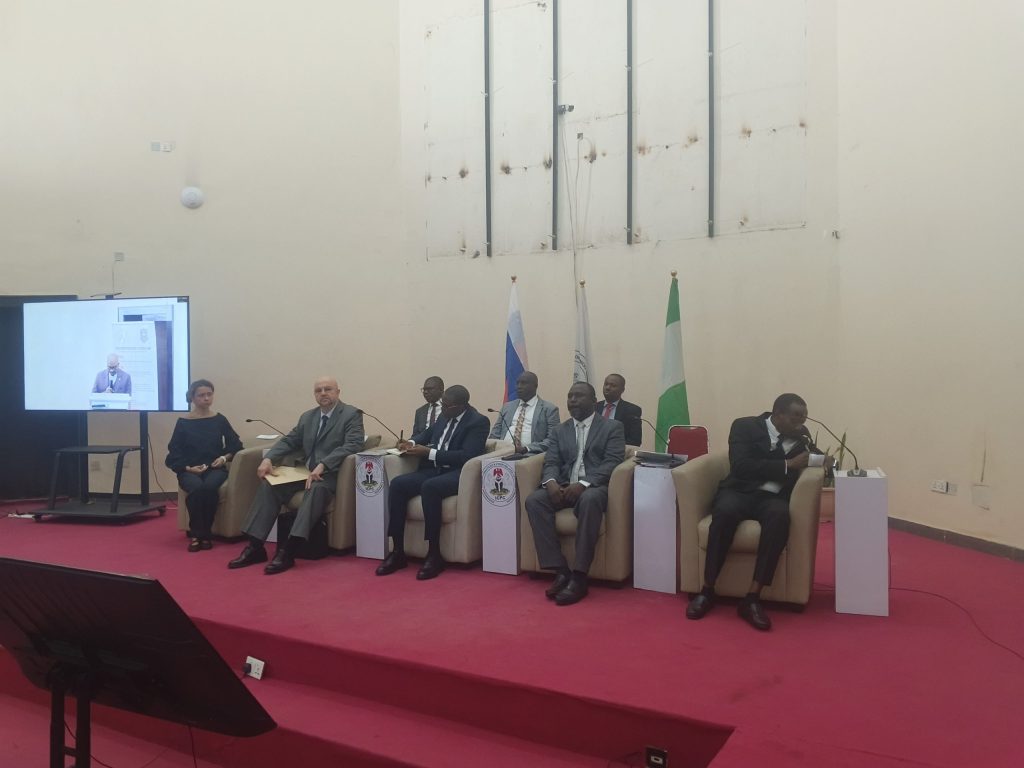
The ICPC Chairman, Dr Musa Aliyu, made the call in Abuja during the Fourth International Diplomatic Dialogue organised by the Anti-Corruption Academy of Nigeria (ACAN).
The event focused on Russia’s anti-corruption strategies and policies.
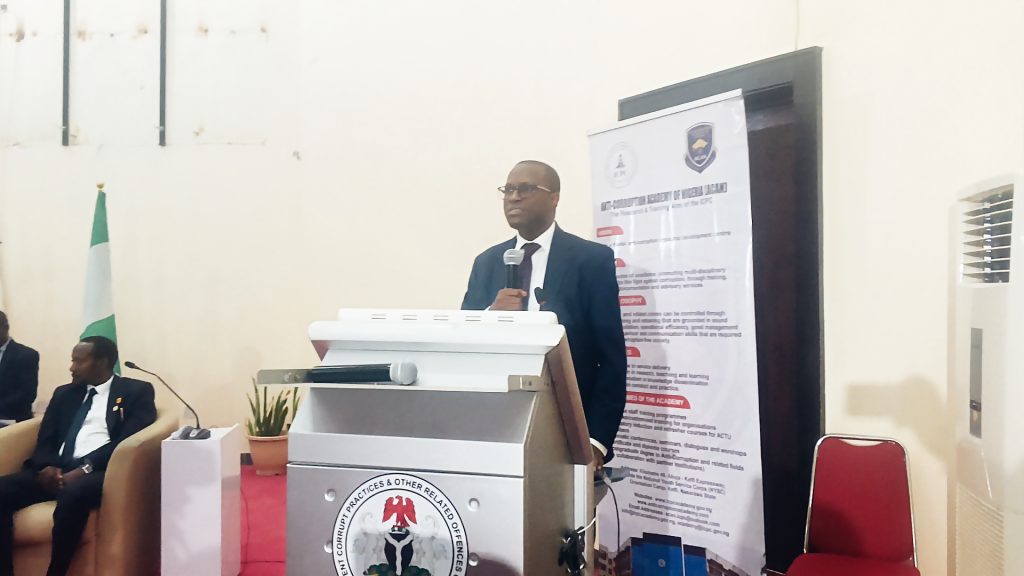
Aliyu said the engagement would enable Nigeria to learn from Russia’s experience in developing anti-corruption legislation, institutional reforms and enforcement mechanisms, stressing the importance of comparative experiences in strengthening national efforts.
READ ALSO: ICPC, NUPRC Deepen Anti-Corruption Drive in Oil Sector
“As Nigeria continues to deepen its anti-corruption efforts, there is much value in learning from comparative experiences, understanding best practices, and identifying innovative approaches that can be adapted to our local realities,” he said.
The ICPC boss added that knowledge shared through the dialogue should translate into practical action that strengthens institutions, public trust, transparency and accountability.
Presenting the Russian experience, the Charge d’Affaires of the Russian Embassy in Nigeria, Mr Igor Ivannikov, described corruption as a major challenge that undermines resource management, fair competition, public administration and citizens’ trust in government institutions.
Ivannikov said Russia had developed a comprehensive anti-corruption system through successive legal and institutional reforms, including the adoption of Federal Law No. 273 on Combating Corruption in 2008.
He explained that Russian law enforcement agencies operate within defined responsibilities, with the Ministry of Internal Affairs and Federal Security Service handling corruption-related crime detection in their respective areas.
“Therefore, modern policy generally combines two areas: suppressing offenses that have already been committed and addressing their underlying causes,” Ivannikov said.
Ivannikov identified income and property declarations, conflict-of-interest controls, legislative reviews and electronic public procurement as key elements of Russia’s preventive anti-corruption framework.
He cautioned that digitalisation alone could not eliminate corruption without effective oversight and accountability.
The Russian diplomat proposed professional cooperation between Nigerian and Russian authorities in financial investigations, illicit-fund tracing, asset recovery, public procurement risk assessment, conflict-of-interest monitoring and capacity building.
He noted that Nigeria and Russia signed a Treaty on Mutual Legal Assistance in Criminal Matters in 2018, providing a legal basis for cooperation in criminal investigations and related proceedings.