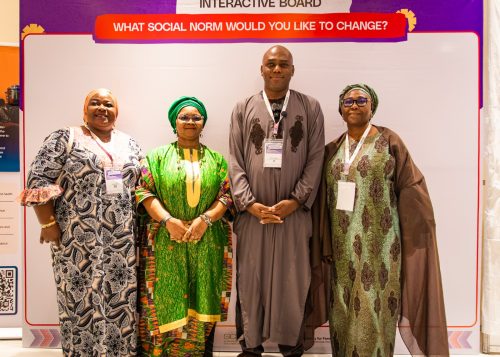
The Federal Government has called for deliberate efforts to dismantle restrictive social norms and promote positive cultural values, identifying behavioural change as critical to accelerating inclusive development and building resilient communities.
The Minister of Women Affairs and Social Development, Hajiya Imaan Sulaiman-Ibrahim, said sustainable societal transformation required more than legislation and government policies, stressing the need to address the beliefs, values and practices that shape relationships, opportunities and the protection of human dignity.
The Minister stated this at the 2026 Social Norms Conference in Abuja, where she was represented by the Chairman of the Governing Council of the Maryam Babangida National Centre for Women Development, Princess Joan Idonije.
READ ALSO: Nigeria seeks global action against drug trafficking, terrorism
“Where harmful norms persist, progress is constrained; where positive norms take root, equality, inclusion and sustainable development become possible,” she said.
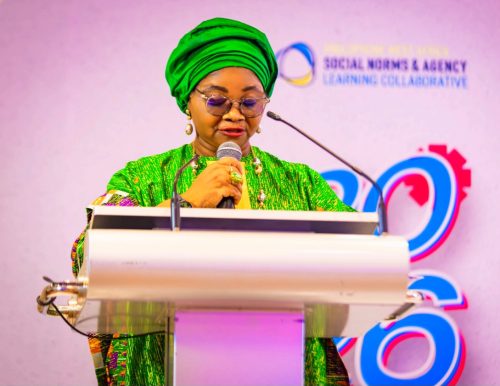
Speaking on the theme, “Norms in Shifting Landscapes: Powering Progress for People and Place,” Sulaiman-Ibrahim identified the Nigeria Gender Profile and Roadmap to Equality 2030, developed with the African Development Bank and UN Women, as well as the ongoing review of the Child Rights Act 2003 and the Violence Against Persons (Prohibition) Act 2015, as key interventions supporting social transformation.
She also highlighted the National Women’s Economic Empowerment Policy 2023 and the designation of 2026 as the Year of Families and Social Development as measures to strengthen families and promote inclusive development.
The Minister described the operationalisation of the Nigerian Council for Social Work under President Bola Ahmed Tinubu as a critical step towards professionalising social work practice and strengthening social welfare delivery.
She noted that social workers remain central to protecting vulnerable children, supporting survivors of gender-based violence, assisting families in crisis and promoting the inclusion of marginalised populations.
On emerging influences, Sulaiman-Ibrahim warned that digital technologies and artificial intelligence could reproduce discrimination and harmful stereotypes, insisting that innovation must advance human dignity.
She also disclosed that the Ministry had developed Nigeria’s first National Boy-Child Policy to mainstream boys in its programming.
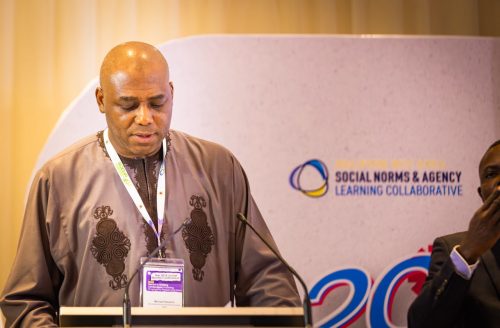
Also speaking, World Bank Senior Social Development Specialist and Task Team Leader of the Nigeria for Women Project Scale-Up, Michael Ilesanmi, reaffirmed the Bank’s commitment to supporting evidence-based interventions that address restrictive social norms and promote sustainable development.
He identified the Women Affinity Groups model under the Nigeria for Women Project Scale-Up as an example of how economic empowerment initiatives can facilitate wider social transformation through collective savings, access to loans, mutual support and improved economic participation among women.
Ilesanmi observed that understanding how people relate, interact and organise themselves within communities was essential to designing effective development interventions.
In her contribution, Grace Jerry of the Inclusive Friends Association advocated the inclusion of persons with disabilities and other marginalised groups in social norms transformation efforts, stressing the importance of reflecting their experiences and needs in development policies and programmes.
Providing the traditional institution’s perspective, the Emir of Jiwa, Dr Idris Musa, cautioned against attempts to eradicate culture in the pursuit of social change.
He advocated an approach that addresses harmful practices while preserving positive cultural values and community heritage.
The two-day conference brings together policymakers, researchers, development partners, traditional institutions, civil society organisations and development practitioners to examine how changing social norms can advance human development.
The deliberations so far underscore the importance of collective action in translating research, policy commitments and community experiences into practical interventions that expand opportunities, strengthen social inclusion and improve the quality of life.