Nigeria is strengthening its counterterrorism strategy by simultaneously expanding military drone capabilities and reinforcing financial intelligence operations, reflecting a broader shift towards technology-driven warfare and intelligence-led disruption of terrorist networks.
The twin developments emerged during a Security Press Briefing held at the Office of the National Security Adviser (ONSA) in Abuja.
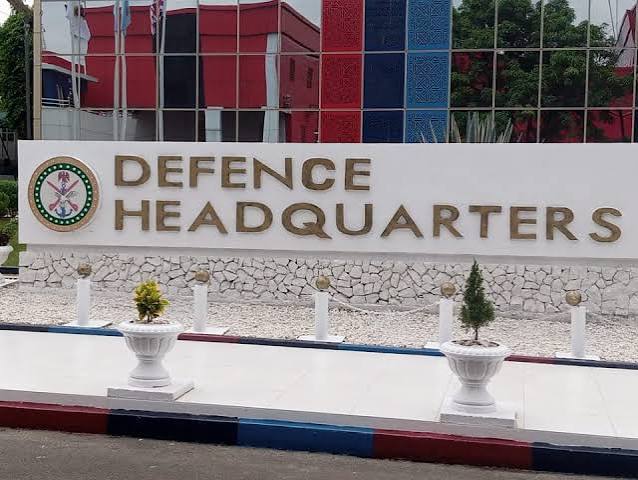
Responding on behalf of the Directorate of Defence Information during the question-and-answer session, Lieutenant Colonel Adamu Ngulde said that unmanned aerial systems have become an increasingly important component of military operations across the North-East and North-West.
He explained that drones are supporting surveillance, intelligence gathering and precision targeting in collaboration with the Nigerian Air Force, improving operational response against terrorist and bandit groups operating across difficult terrain.
Aerial Technologies
Ngulde said that the Armed Forces are expanding specialist drone training through partnerships with friendly countries, while the Defence Industries Corporation of Nigeria (DICON) and the Defence Research and Development Bureau continue investing in indigenous unmanned aerial technologies tailored to Nigeria’s operational requirements
He noted that these investments are intended to improve intelligence collection, accelerate battlefield decision-making and strengthen future operational effectiveness.
READ ALSO: Education Key to Counter Terrorism -Defence Minister
The technological expansion complements the Armed Forces’ wider operational performance during the first half of 2026, when troops conducted 14,221 operations, neutralised 1,597 terrorists, rescued 1,516 kidnapped victims and recovered significant quantities of arms, ammunition and explosives across multiple theatres.
Alongside developments on the battlefield, Nigeria’s financial intelligence authorities disclosed that the country’s counterterrorism financing architecture is also demonstrating increasing international credibility.
Speaking on behalf of the National Sanctions Committee Secretariat, Kingsley Amarko, Divisional Head of the National Coordination Office of the Nigerian Financial Intelligence Unit (NFIU), revealed that Nigeria designated key Bureau De Change operators and individuals linked to terrorism financing on 8 June 2026, days before corresponding sanctions were announced by the United States Office of Foreign Assets Control (OFAC).
International Partners
According to Amarko, the American action was built substantially on intelligence generated through Nigeria’s own investigations and collaborative counterterrorism financing framework, underscoring the growing confidence international partners place in the country’s financial intelligence capabilities.
He explained that the National Sanctions Committee coordinates targeted financial sanctions aimed at preventing terrorist organisations from accessing funds and financial services, while the NFIU continues working closely with domestic and international law enforcement and intelligence agencies to identify, monitor and disrupt financial networks supporting terrorism.
The briefing also highlighted wider reforms that have strengthened Nigeria’s anti-money laundering and counterterrorism financing framework, including the country’s removal from the European Union’s list of high-risk third countries, expanded intelligence-sharing partnerships, preparations for the 2027 Financial Action Task Force (FATF) Mutual Evaluation, and sanctions against six individuals and three Bureau De Change companies linked to alleged terrorism financing.