The Nigerian government says it is targeting at least 70 percent local production of essential healthcare products by 2030 as part of efforts to strengthen medicine security and pharmaceutical manufacturing.
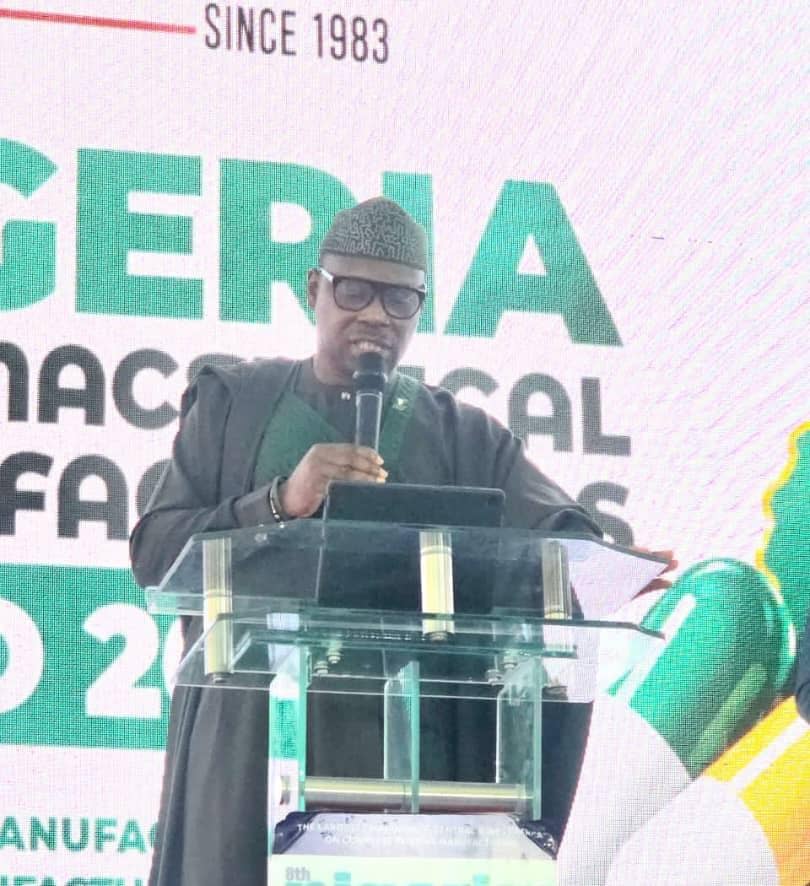
The Minister of State for Health and Social Welfare, Dr Iziaq Salako, disclosed this at the opening of the 8th Nigeria Pharma Manufacturers Expo in Lagos, with the theme, “Regional Manufacturing: Advancing Africa’s Pharma and Life-Science Sovereignty through Localization.”
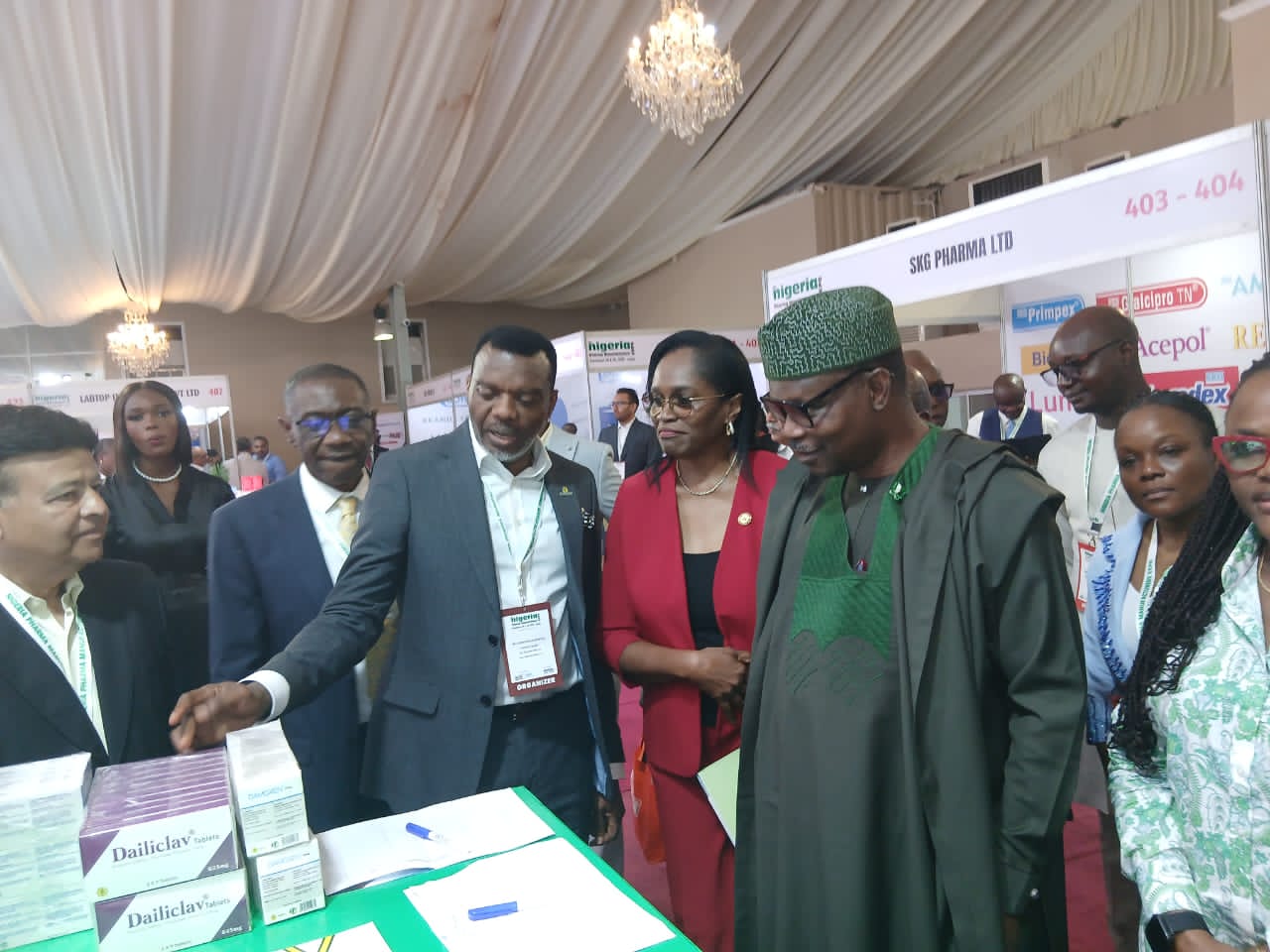
Represented at the event, the Minister said the Presidential Initiative to Unlock Healthcare Value Chains (PVAC) had secured commitments of two billion dollars in financing at single-digit interest rates, with about 50 Nigerian health firms in advanced funding discussions.
ALSO READ:Nigeria Targets Zero Ebola Cases, Leads Africa Preparedness
He said the initiative targets increased local production of Active Pharmaceutical Ingredients, Rapid Diagnostic Tests and other essential health commodities.

Salako said the Presidential Executive Order on pharmaceutical and allied sectors had also introduced zero tariffs on pharmaceutical machinery, APIs and excipients, benefiting 87 local manufacturers across almost 1,000 Harmonized System codes.
“Nigeria currently has more than 200 local pharmaceutical and life-science companies, compared with fewer than 180 in 2021, while finished pharmaceutical imports had declined from 4.03 billion units to 1.13 billion units by 2025, according to NAFDAC data,” he said.
The Minister also highlighted progress in vaccine, diagnostic, API and therapeutic food manufacturing, noting that two Nigerian products had attained World Health Organisation prequalification, described as the first such achievement in West and Central Africa.
He urged pharmaceutical manufacturers to deepen investment in research and development, particularly in phytomedicine, noting that Africa is home to about 25 percent of the world’s plant genetic resources.

Salako said the establishment of Medipool, Nigeria’s first national Group Purchasing Organisation for essential medicines and medical commodities, would help create predictable demand for local manufacturers by aggregating procurement needs and improving supply-chain efficiency.
Stronger Integration
He called for stronger regional integration under the African Continental Free Trade Area, saying African countries should move from fragmented national markets to a regional manufacturing base capable of serving both the continent and global markets.
“The future of Africa’s pharmaceutical sector should be measured not by its ability to import medicines when global supply chains are functioning, but by its capacity to produce essential medicines and health technologies when those supply chains are disrupted,” salako said.
He thereafter declared the 8th Nigeria Pharma Manufacturers Expo open, calling for collective action towards medicine security, health sovereignty and a healthier future for Africa.