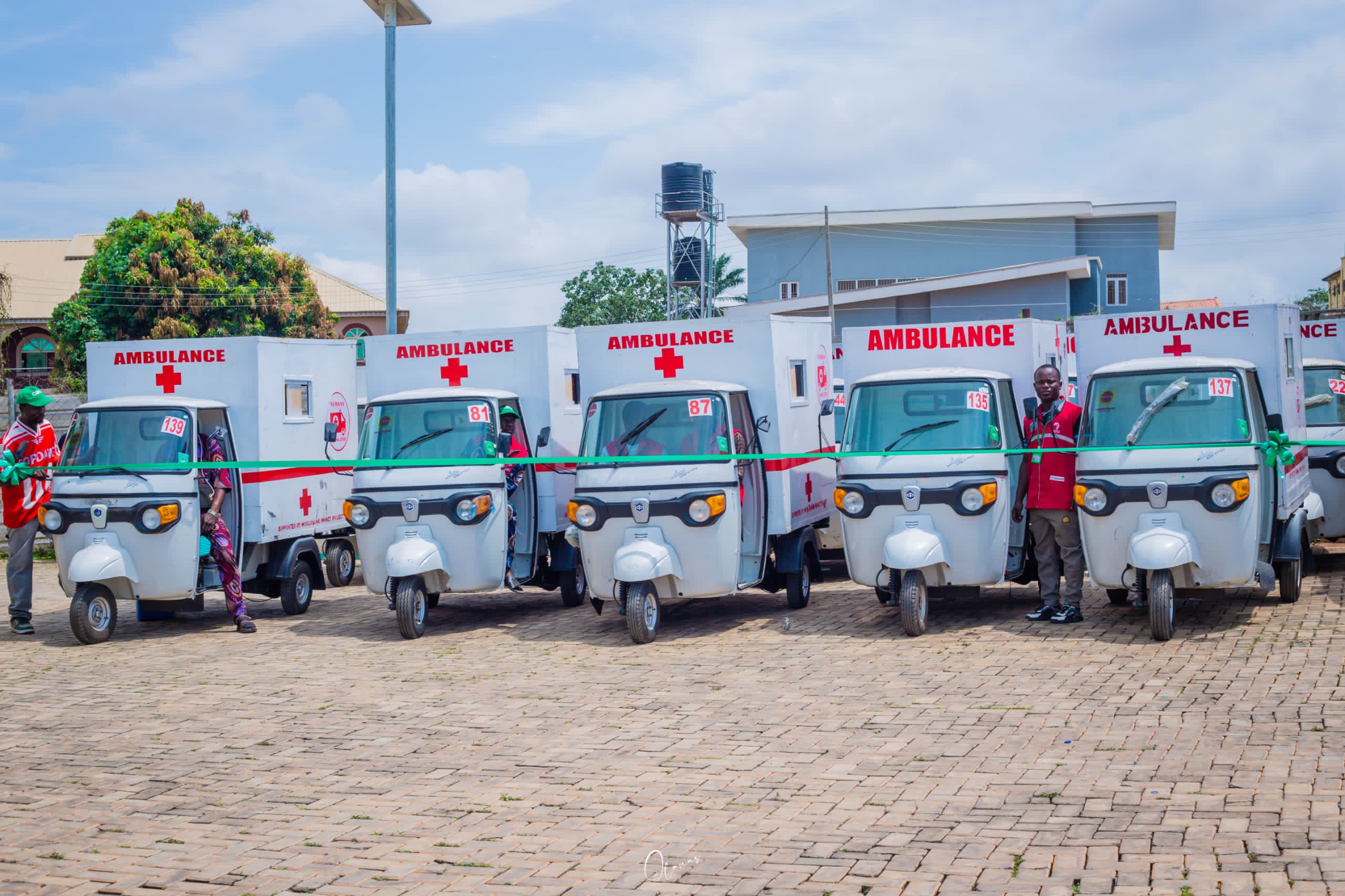
The Nigerian Government has provided Ogun State with 13 ambulances to strengthen emergency medical response and improve access to life-saving care, particularly for pregnant women, newborns and critically ill patients.
The vehicles, comprising three Advanced Life Support ambulances, one Basic Life Support ambulance and nine tricycle ambulances, were commissioned at the Federal Medical Centre, Abeokuta, the state capital.
The Minister of State for Health and Social Welfare, Dr Iziaq Salako, explained that the intervention was part of the National Emergency Medical Services and Ambulance System (NEMSAS), designed to build a more coordinated and responsive emergency healthcare system.
Salako noted that the initiative, under President Bola Ahmed Tinubu’s Renewed Hope Agenda, prioritised emergency transportation, communication systems and first-responder care to reduce delays that could mean the difference between life and death.

The minister said the first phase of NEMSAS provided 66 boat ambulances, 15 Basic Life Support ambulances and 79 Advanced Life Support ambulances to selected federal, state and tertiary hospitals, high-volume and hard-to-reach secondary facilities, as well as primary healthcare centres across the country.
Salako disclosed that the intervention would help bridge gaps in access to healthcare by ensuring that patients were transported more quickly from communities and health facilities to centres capable of providing appropriate treatment.
He stressed, “Every siren must symbolise hope. Every response must reflect preparedness, and every rescued life must stand as evidence of a health system that is becoming stronger, more humane and more responsive to the needs of the Nigerian people.”
The minister emphasised that the programme went beyond providing ambulances, describing it as an effort to establish an integrated emergency care system linking dispatch services, trained personnel, communication networks, transportation, referral pathways and definitive treatment.
He urged beneficiary institutions to use the ambulances strictly for emergency medical services and ensure their proper maintenance, responsible deployment and effective monitoring.
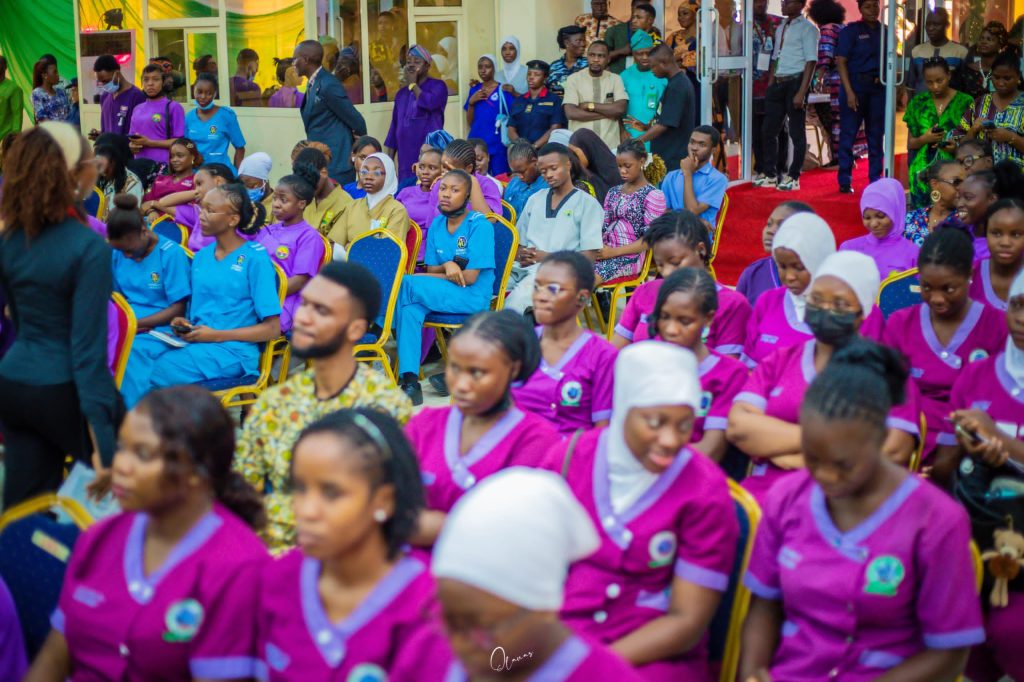
The Ogun State Governor, Dapo Abiodun, represented by the Deputy Governor, Noimot Salako-Oyedele, said the intervention was timely, as access and time remained critical to saving lives during emergencies.
Abiodun stressed that even the best-equipped hospital could only save a patient if the patient reached the facility in time.
The governor noted that Ogun’s industrial activities and major highways generated significant demand for emergency services, necessitating a reliable ambulance network.
He revealed that the state currently operated about 34 bus ambulances equipped with basic and advanced life-support systems, alongside 83 tricycle ambulances serving rural communities.
Abiodun said the state was exploring partnerships to bring emergency transportation closer to vulnerable groups, particularly pregnant women and children, assuring the Nigerian Government that the newly provided ambulances would be properly maintained and deployed for the benefit of residents.

The National Programme Manager of NEMSAS, Dr Emuren Doubra, stated that the success of the programme should not be measured by the number of ambulances deployed, but by lives saved, reduced transportation delays and increased public confidence in emergency healthcare.
Doubra described the intervention as the beginning of a stronger phase of emergency medical service delivery in Nigeria.