The Nigerian Government is strengthening national security, border management and the operational capacity of security agencies as part of efforts to create a safer environment for Nigerians at home and abroad, including those returning to the country from the diaspora.
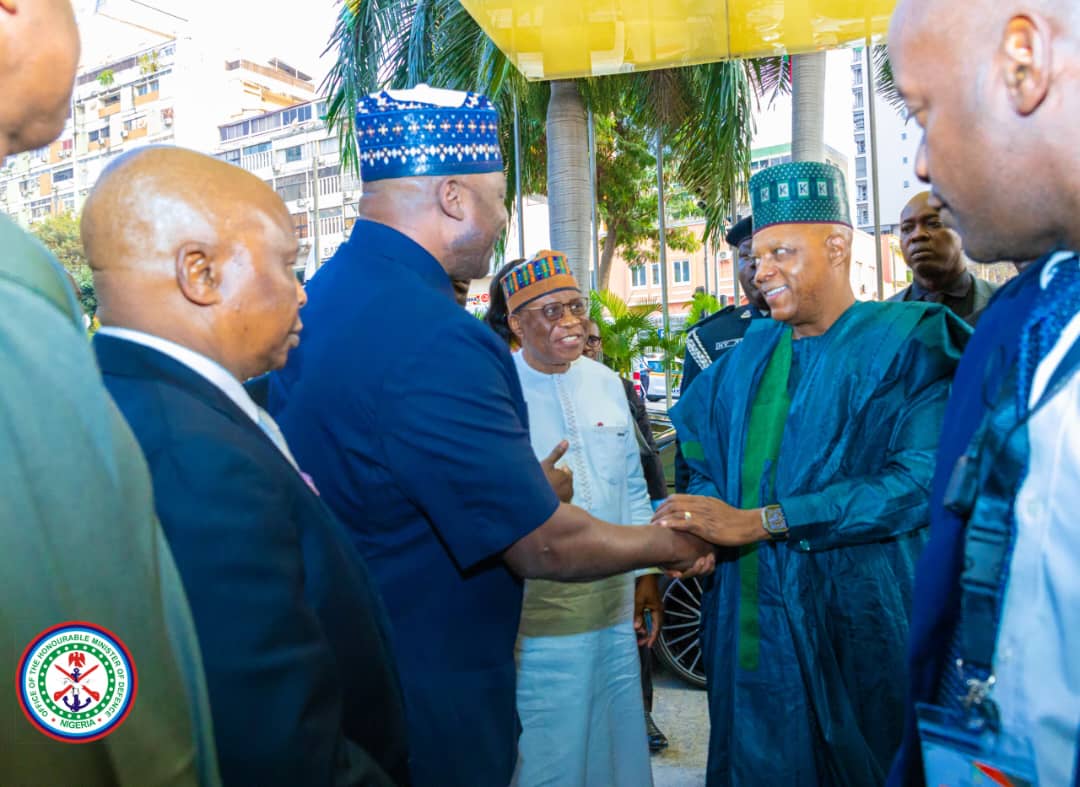
The assurance was given during an engagement between senior Nigerian Government officials and Nigerians resident in Angola, held on the sidelines of the 21st Extraordinary Session of the Assembly of Heads of State and Government of the African Union in Luanda.
The Special Assistant (Media) to the Minister of Defence, Leah Katung-Babatunde, disclosed this in a statement issued on 30 August 2026.
The engagement brought government representatives into direct contact with members of the Nigerian community, allowing concerns around security and other issues affecting diaspora relations to be addressed.
Speaking at the meeting, the Defence Minister, General Christopher Gwabin Musa (Rtd), outlined ongoing efforts to strengthen the numerical and operational capacity of the Armed Forces of Nigeria and partner security agencies, while identifying regional instability in the Sahel as one of the factors contributing to Nigeria’s security pressures.
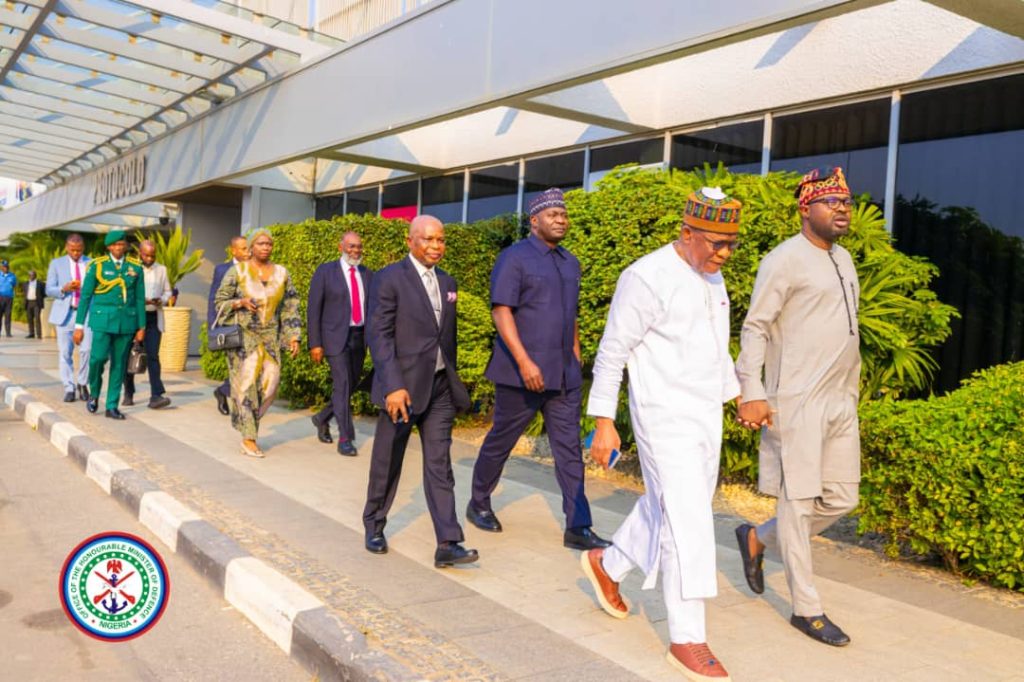
General Musa also highlighted measures being implemented to strengthen border management and limit the spillover of instability across Nigeria’s borders. He said that “targeted interventions were being undertaken across sectors of the national security architecture.”
The Defence Minister further identified the integration of reliable data into national security strategies and development planning as another component of the Nigerian Government’s approach to restoring lasting peace and stability.
The engagement formed part of a wider Nigerian delegation to the AU session led by Vice President Kashim Shettima, who represented President Bola Ahmed Tinubu.
The meeting also brought together the Minister of Interior, Dr Olubunmi Tunji-Ojo; Chairman/CEO of the Nigerians in Diaspora Commission, Abike Dabiri-Erewa; and Acting Chargé d’Affaires of the Nigerian Mission in Angola, Ambassador Maxy Ogbede.
The Interior Minister highlighted strengthened data protection and identity-management structures, noting that “improved inter-agency collaboration was producing measurable results.”
For the diaspora community, the engagement provided a direct channel for raising concerns with government representatives while reinforcing the wider policy objective of maintaining stronger institutional connections between Nigerians abroad and the Nigerian state.
Dabiri-Erewa assured members of the community that NiDCOM remained available to support their welfare and facilitate opportunities capable of contributing to national prosperity.