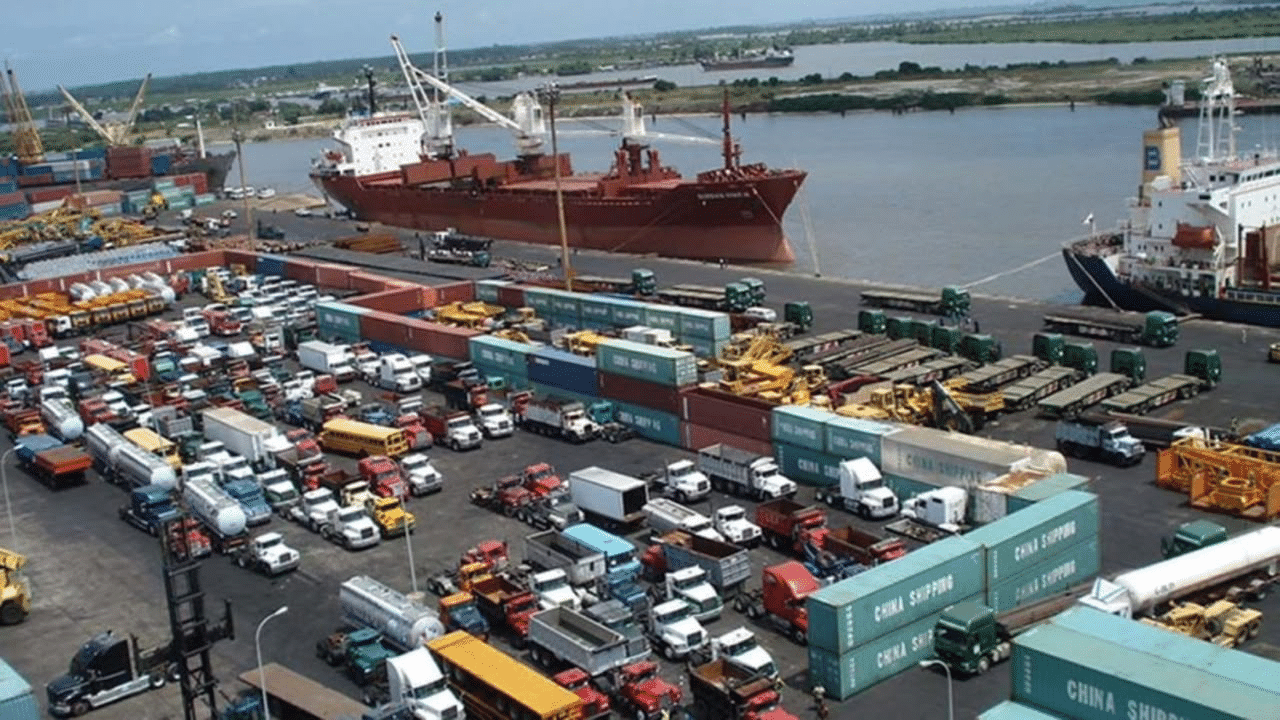
The Nigerian Ports Authority, NPA, has rolled out mechanisms to tackle rail connectivity and logistics challenges affecting inland dry ports, to improve Cargo movement across the country.
The initiative is designed to integrate inland dry ports more effectively into the nation’s port network, facilitating movement of goods between seaports and inland markets, and supporting trade and economic activities across the country.
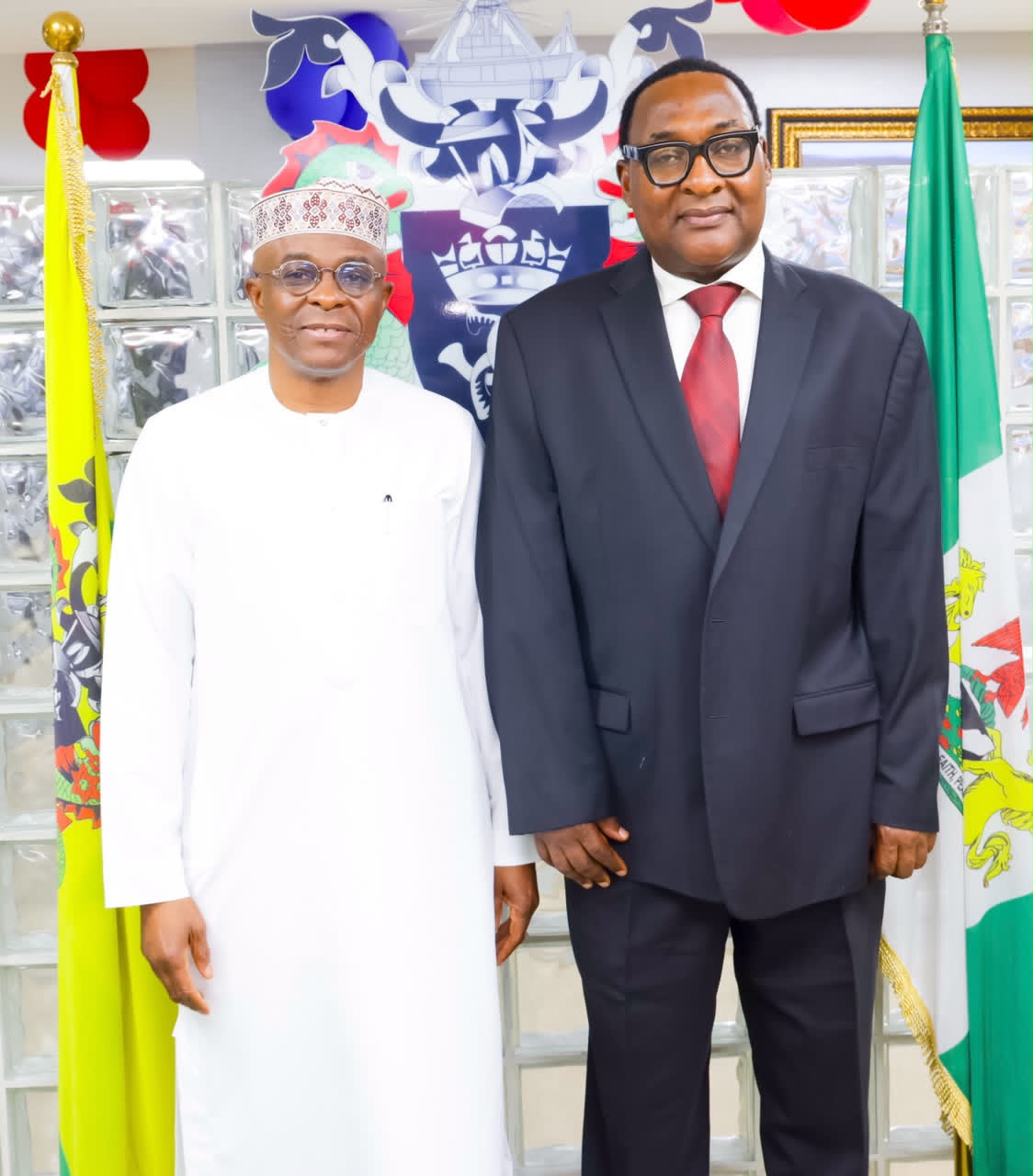
The development followed a meeting between the NPA management, led by its Managing Director, Dr Abubakar Dantsoho, and the Executive Director of Dala Inland Dry Port, Mr Ahmad Rabiu, alongside representatives of Funtua Inland Dry Port, at the authority’s corporate headquarters in Marina, Lagos.
The engagement came after the Minister of Marine and Blue Economy, Dr Adegboyega Oyetola, directed the transfer of operational oversight of inland dry ports to the NPA.
Discussions centred on infrastructure development, rail connectivity, private-sector investment and the need to improve operational efficiency across Nigeria’s maritime logistics chain.
Speaking at the meeting, Dantsoho emphasised the importance of upgrading inland dry port infrastructure and technical capabilities to complement ongoing modernisation efforts at the seaports.
He said that inland dry ports must be equipped to accommodate growing cargo volumes and operate efficiently within an increasingly technology-driven port system.
“For our Inland Dry Ports to function at the same velocity as the ongoing modernisation across our seaports, we must proactively upgrade dry port infrastructure and technical capacity,” he said.
The NPA Managing Director explained that “the adoption of digital solutions, including the Port Community System and the National Single Window, at seaports must be supported by corresponding improvements at inland dry ports to ensure seamless cargo movement throughout the supply chain.”
“As we integrate digital systems such as the Port Community System and the National Single Window in our seaports, the dry ports must deploy modern equipment and advanced technical capabilities to handle larger cargo volumes and bigger vessels coming to our coast,” Dantsoho said.
He also called for greater private-sector participation in the development of inland dry port infrastructure, stressing that increased investment would strengthen cargo-handling capacity, improve service delivery and enhance the competitiveness of Nigeria’s logistics sector.
Dantsoho cited APM Terminals’ establishment of an Export Processing Terminal in Northern Nigeria as an example of private-sector investment capable of supporting inland logistics development and improving access to export markets.
He assured stakeholders that the authority was taking steps to optimise the inland port system, saying that plans were underway to visit the Dala and Funtua Inland Dry Ports to assess their operational conditions and identify critical infrastructure requirements.
Speaking on behalf of the delegation, Hassan Bello commended the transfer of operational oversight to the NPA and commended the smooth transition.
Bello also referenced the gazetted Port Act, which recognises inland dry ports as official ports of origin and destination, while highlighting inadequate rail connectivity and other logistics constraints affecting their operations.
“Rail connectivity remains a critical factor in the development of inland dry ports, as efficient links to the national rail network can facilitate the movement of cargo between seaports and inland commercial centres, reduce dependence on road transportation and potentially lower the cost of moving goods“ he said.
Improved rail access could also ease congestion around major seaports, enhance the distribution of imports and exports, and strengthen the capacity of inland markets to participate in domestic and international trade.
The meeting established a framework for further technical consultations, infrastructure integration and physical planning to determine the interventions required to improve the facilities.