


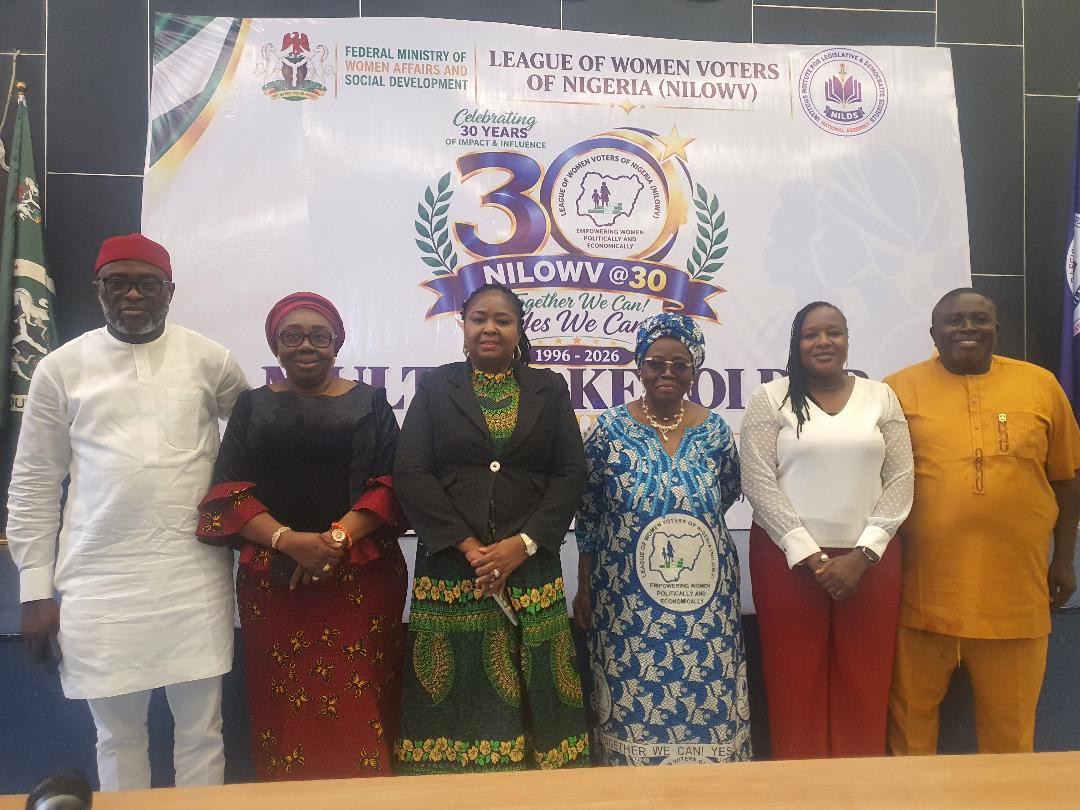
The League of Women Voters of Nigeria (NILOWV) has called for investment in its grassroots network, women’s political leadership and partnerships to turn three decades of advocacy into measurable gains in women’s representation ahead of Nigeria’s 2027 general elections.
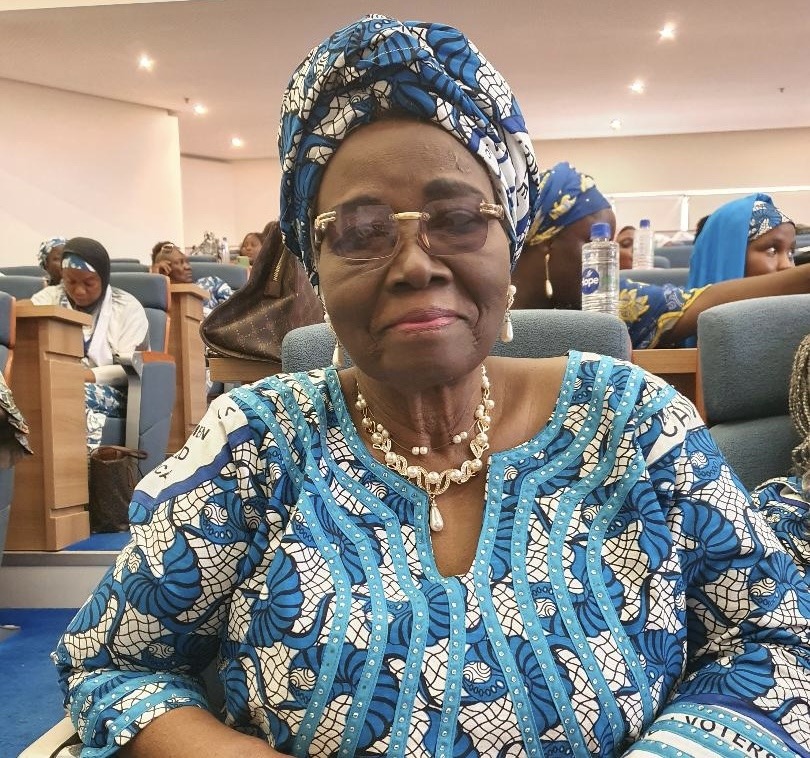
Founder and Board of Trustees Chairperson, Dr. Esther Uduehi, made the appeal at the League of Women Voters of Nigeria’s 30th anniversary multi-stakeholder summit in Abuja, urging government, political parties, electoral institutions and development partners to move beyond declarations to action.
“We are not asking stakeholders to build NILOWV from scratch. We are asking you to invest in an existing national platform and help us unlock the potential we have nurtured over thirty years,” Uduehi said.
READ ALSO: NILOWV Seeks Reforms To Enhance Women’s Political Participation
She said NILOWV’s network of 37 state chairpersons, 774 local government coordinators and 8,809 ward coordinators could expand voter education, grassroots mobilisation, leadership mentoring and advocacy with funding, training and technical assistance.
The network could help women understand electoral rights, prepare aspiring leaders for public office, document barriers during party primaries and elections, and bring community experiences into policy discussions.
“The question is no longer whether Nigerian women are capable of leading. The question is whether we, as a nation, are ready to give them the fair opportunity, support and space they deserve,” she said.
Uduehi identified high election costs, unequal access to political networks, intimidation and discriminatory party practices as systemic barriers requiring institutional reform, not greater effort from individual women.
She urged political parties to make nominations fairer and more transparent, include women in executive committees, and provide access to political information, mentorship, resources and leadership development.
“Let women be part of making the decisions, not merely part of implementing decisions made by others,” she said.
Uduehi also called on the Independent National Electoral Commission to strengthen voter education, transparency and accountability, and work with civil society groups to document women’s experiences during primaries and elections. She advocated information on complaint procedures and legal support for women seeking redress.
She described the proposed Special Seats Bill for Women as a key reform for improving women’s representation, urging sustained advocacy for gender-responsive legislation.
Uduehi called for a coalition of government, political parties, development partners, the private sector and civil society, built around funding, technical capacity and political will.
“Funding will help us reach communities, train our members, support research and sustain our programmes. Technical capacity will help us plan better, measure our progress and demonstrate results. Political will will help remove the barriers,” she said.
She urged stakeholders to set clear responsibilities, resource commitments and measures of progress, arguing that grassroots organisations cannot deliver impact without sustained investment.
Uduehi called for a democracy in which women can participate freely, compete fairly and lead confidently across the country.

