The National President of the Nigerian Institute of Town Planners (NITP), Ogbonna Chime, has urged governments across the country to adopt coordinated regional and national physical planning to accelerate infrastructure development, attract investment and address rapid urbanisation.
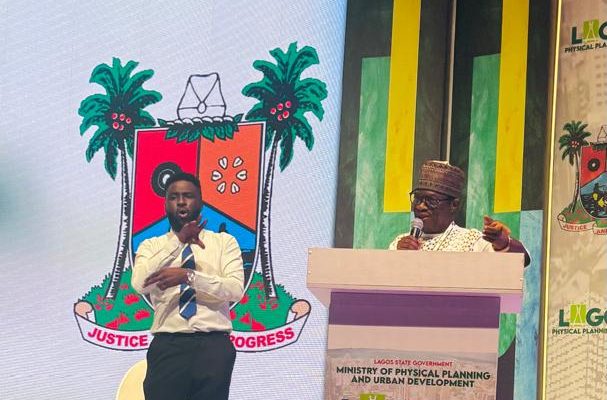
Chime made the call while delivering a goodwill message at the second Lagos Physical Planning Summit, where he stressed that collaboration among states was essential to achieving sustainable urban development, balanced economic growth and effective infrastructure delivery.
He commended Lagos State for its longstanding commitment to urban and regional planning, describing deliberate physical planning as a major factor in the state’s development.
“Lagos has attained this level because it relies on urban and regional planning right from day one. If it hadn’t been so, I tell you, Lagos would not have been where it is today,” he said.
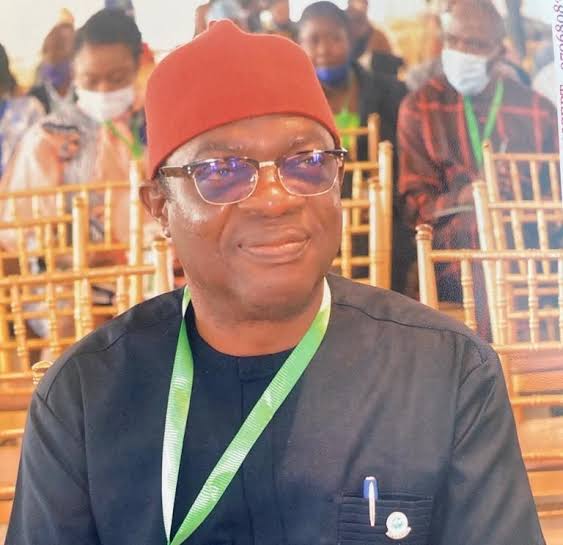
The NITP president urged other states to strengthen their planning institutions, regularly assess development policies and address implementation gaps to ensure that urban development translates into improved infrastructure, better living conditions and expanded economic opportunities.
READ ALSO: NITP Tasks Town Planners on Regional Development Initiatives
He particularly called on states in the South-West to pursue a coordinated regional development strategy rather than plan in isolation, warning that fragmented approaches could undermine shared economic and infrastructure objectives.
Chime explained that regional cooperation would enable neighbouring states to coordinate infrastructure provision, manage urban expansion across state boundaries and maximise investment opportunities.
He also advocated the integration of regional development plans into a coherent national planning framework, noting that development efforts would remain limited without coordination at both levels.
The NITP president described the summit as an opportunity for stakeholders to evaluate previous planning decisions, identify implementation challenges and establish priorities for future development.
He noted that Lagos’s planning tradition predated the current administration, acknowledging the contributions of successive governments to the state’s urban development.
However, Chime observed that some urban renewal interventions had displaced residents without adequate alternatives, underscoring the need to consider the welfare of affected communities in planning and redevelopment decisions.
He urged governments and built-environment professionals across Nigeria to learn from Lagos’s planning experience while strengthening collaboration among public institutions, professional bodies and other stakeholders.
The summit, organised by the Lagos State Ministry of Physical Planning and Urban Development, was themed, “Diagnosis to Delivery: Positioning Lagos for Strategic Regional Development and Priority Investment Agenda.”
The Governor of Lagos State, Babajide Sanwo-Olu, was represented at the event by the Head of Service, Bode Agoro, while the Leader of the Senate, Senator Opeyemi Bamidele, delivered the keynote address.
The Commissioner for Physical Planning and Urban Development, Dr Oluyinka Olumide, delivered the opening remarks.
The summit also featured exhibitions by agencies, including the Lagos State Informal Space Management Authority, showcasing their activities in urban space management.