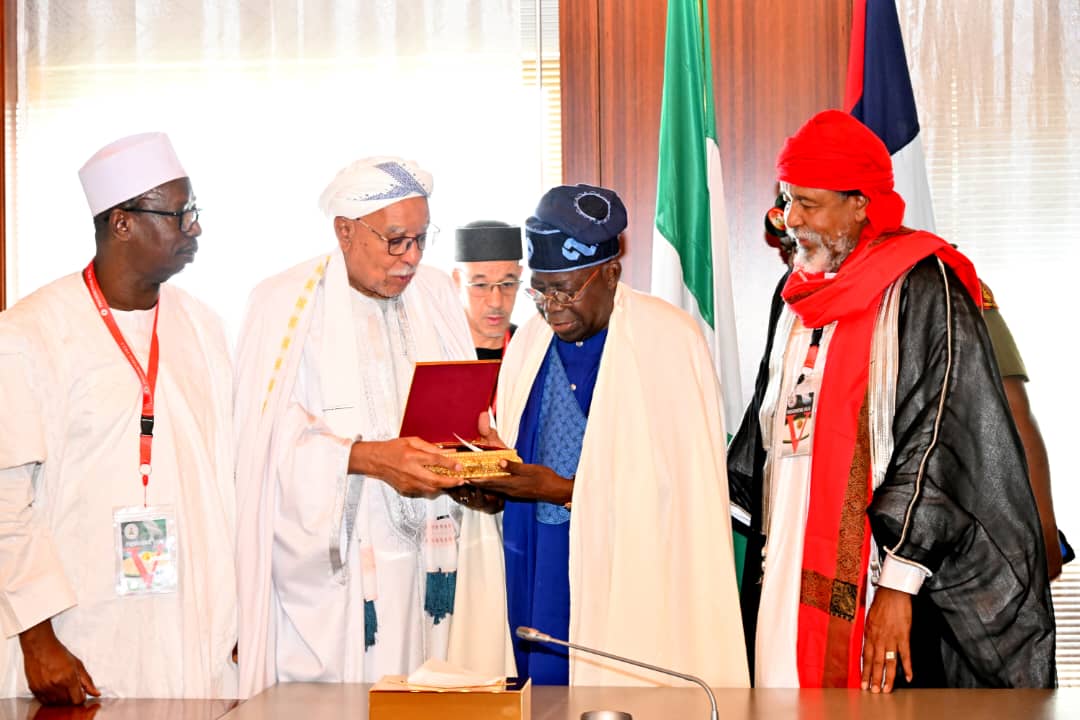
President Bola Ahmed Tinubu has called for more collaboration with the Tijjaniyya Muslim community and other faith-based institutions in tackling insecurity and strengthening peace efforts across Nigeria, the Sahel and the West African region.
President Tinubu said the influence and cross-border networks of religious organisations could serve as important platforms for preventing radicalisation, promoting tolerance and supporting government efforts against terrorism, banditry, kidnapping and other security threats.
He stated this in a goodwill message delivered on his behalf by the Secretary to the Government of the Federation, Senator George Akume, at the Grand Maulud of Sheikh Ahmad Al-Tijani, RTA, held on Sunday in Kano.
The Nigerian Leader identified the Tijjaniyya Order’s presence across West and North Africa as an important asset that could be mobilised for reconciliation, community engagement and peacebuilding, particularly in areas affected by conflict and violent extremism.
President Tinubu challenged religious leaders to extend their roles beyond the pulpit by using their institutions and moral authority to promote peace education, religious understanding, youth mentorship and dialogue within communities.
He emphasised that” religious voices must remain unequivocal in condemning terrorism, kidnapping, banditry, the killing of innocent people and attempts to exploit religion as justification for violence.”
The President further called on faith-based institutions to strengthen scholarship, religious literacy and the moral development of young people, while urging religious leaders to continue promoting justice, compassion and responsible leadership.
He also cautioned citizens against allowing legitimate grievances to degenerate into lawlessness, stressing that “no religious cause could justify taking innocent lives.”
Highlighting the humanitarian consequences of conflict, President Tinubu cited figures from the United Nations High Commissioner for Refugees indicating that 117.8 million people were forcibly displaced globally at the end of 2025.
He said the scale of global displacement underscored the important role of religious leaders in addressing intolerance, grievances and identity-based divisions capable of fuelling radicalisation and conflict.
The President reaffirmed the Nigerian Government’s commitment to “safeguarding religious freedom and strengthening engagement with religious and traditional institutions in promoting peaceful coexistence and national unity.”
President Tinubu also said the participation of delegates from different parts of Africa at the Maulud reflected the enduring influence of the Tijjaniyya tradition in Nigeria and its contributions to Islamic scholarship, spiritual development and community service.
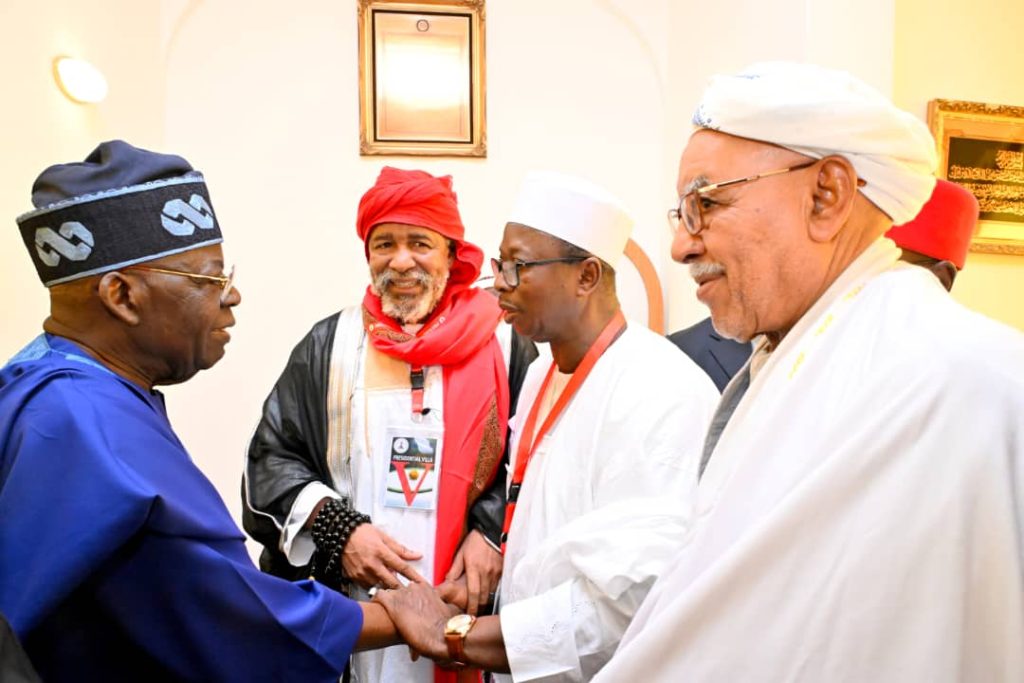
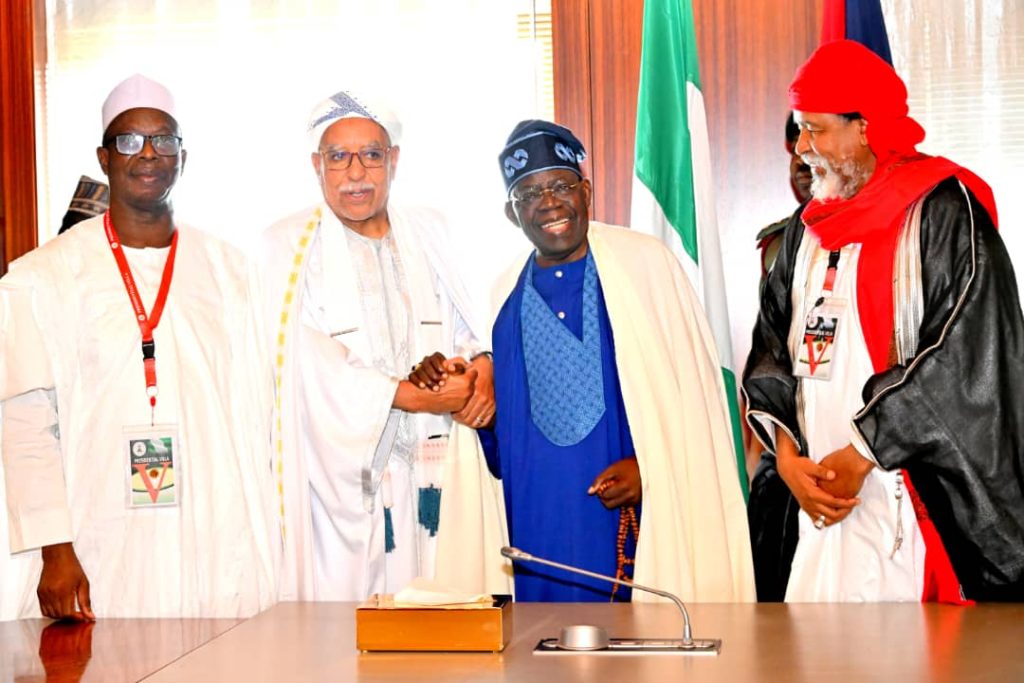
He recalled his recent meeting with a delegation of the Supreme Council of Tijjaniyya at the State House, Abuja, where prayers were offered for peace, unity and prosperity, as well as stronger relations between Nigeria and Algeria.
The President urged Muslims to use the Maulud to renew their commitment to the teachings of Islam and the spiritual legacy of Sheikh Ahmad Al-Tijani, particularly the values of humility, compassion, wisdom, selfless service and responsibility towards others.
He also paid tribute to the late Sheikh Dahiru Usman Bauchi, who passed away in November 2025, acknowledging his contributions to Islamic scholarship, moral guidance and peaceful coexistence.
The President described the late cleric as a respected teacher and advocate of moderation whose influence contributed to the advancement of peace and piety.
He commended the Supreme Council of the Tijjaniyya, Sheikh Dahiru Usman Bauchi Foundation, Kano State Government, traditional institutions, security and emergency agencies, organisers and volunteers for their roles in hosting the event.
The Grand Maulud attracted the World Khalifa of the Tijjaniyya Order, prominent Islamic scholars, spiritual leaders and adherents from Nigeria, Algeria, Morocco, Senegal, Egypt and other countries.