Vice-Chancellors of Nigerian Universities have urged the Federal Government to invest in artificial intelligence (AI), strengthen university funding and take urgent steps to stem the growing loss of skilled academics and professionals from the country.
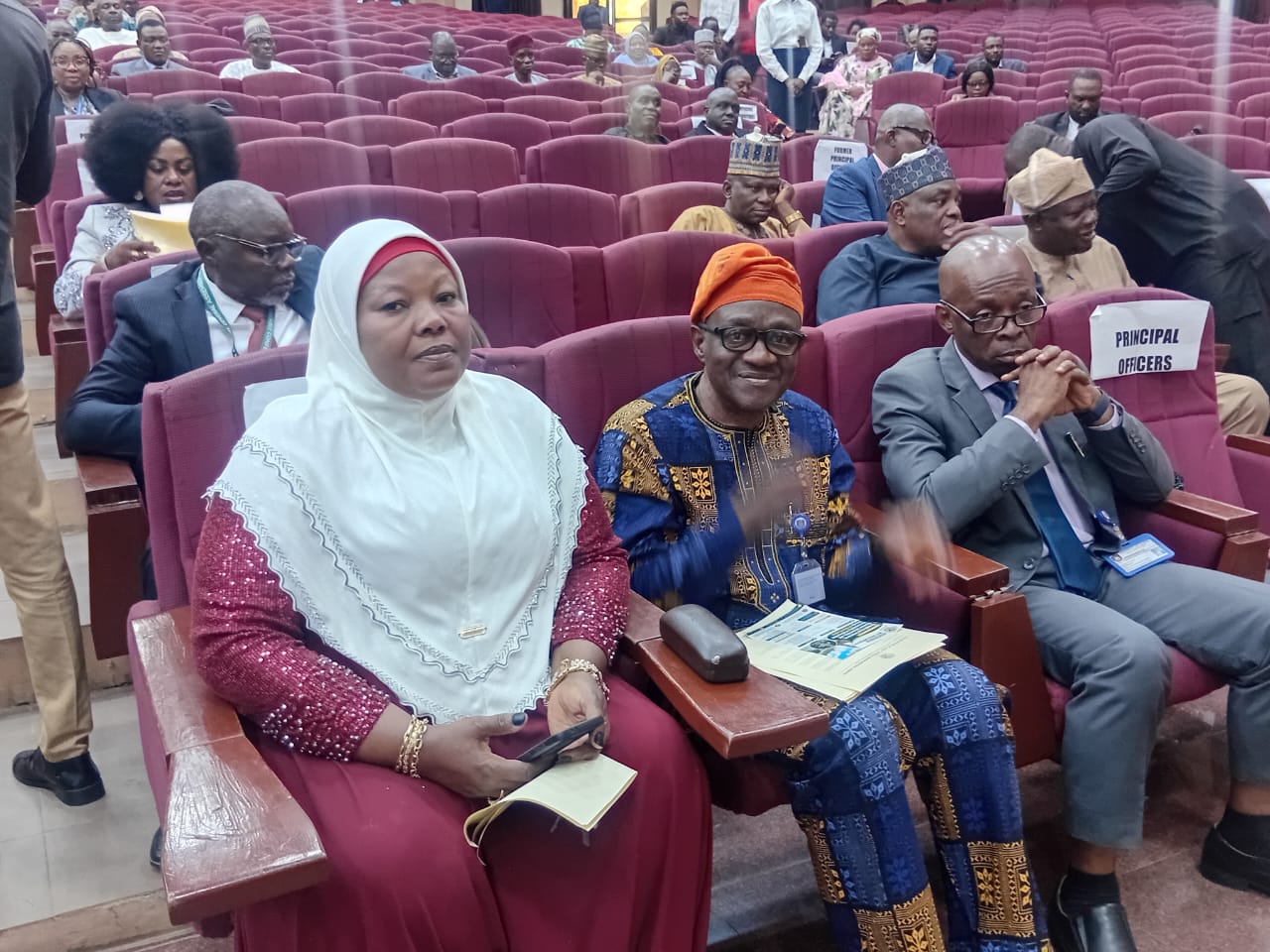
The Vice-Chancellors made the call at the 37th Annual Conference and General Assembly of the Committee of Vice-Chancellors of Nigerian Universities (CVCNU), held yesterday at the University of Ilorin, Kwara State, North Central Nigeria.
The conference, themed “Building Resilient Universities for Nigeria,” brought together university leaders to deliberate on the challenges confronting the nation’s higher education system, including funding constraints, technological disruption, AI, institutional autonomy, industrial relations and brain drain.
Chairman of the CVCNU and Vice-Chancellor of Igbinedion University, Okada, Prof. Lawrence Ezemonye, said Nigerian universities were at a critical point where their relevance to the country’s development was being tested.
READ ALSO: Brain drain: Group declines mandatory bill of 5-year service
He said resilience required universities to withstand funding volatility, industrial unrest, demographic pressure, technological disruption and the emigration of highly skilled personnel while continuing to deliver quality teaching, research and public service.
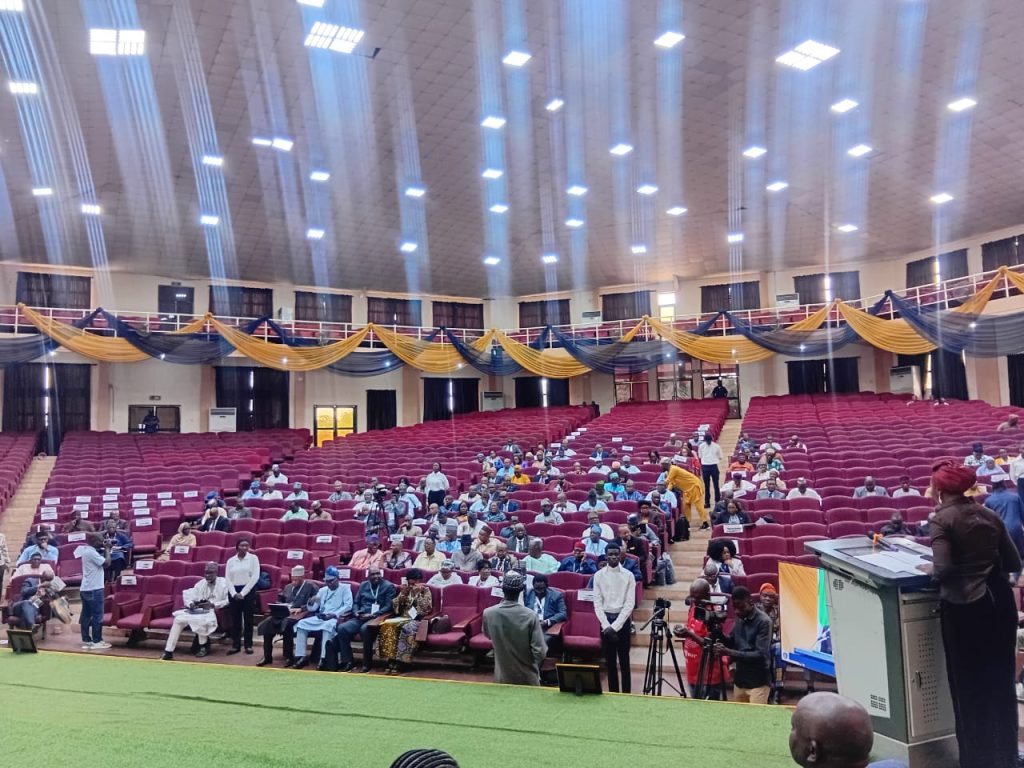
Ezemonye said the universities must prepare for an AI-driven future by embracing technology and innovation rather than allowing the rapid transformation to widen the gap between Nigerian institutions and their counterparts globally.
According to him, the conference would examine governance, institutional autonomy and financial sustainability, alongside the development of AI-ready universities and stronger relationships between universities, government, regulators, industry and labour.
He also identified human capital and academic excellence, particularly the welfare of students and faculty, as critical components of a resilient university system.
The CVCNU chairman urged the Federal Government and other stakeholders to support universities in developing sustainable financing models, saying reliance on public funding alone would not be sufficient to meet the demands of modern higher education.
He further called for universities to be repositioned as centres of innovation and national development, saying they should work more closely with government and industry to translate research and knowledge into practical solutions.
The Secretary-General of the CVCNU, Prof. Andrew Haruna, also called for greater unity among the country’s 324 universities, irrespective of their federal, state or private ownership.
Haruna said the diversity of the institutions should be used to strengthen the Nigerian university system through knowledge-sharing, collaboration and collective action.
He said the challenges confronting universities, including AI, funding pressures, industrial relations and global competition, required resilient leadership capable of learning, innovating and making difficult decisions.
Haruna also stressed the need to protect university autonomy while ensuring accountability to government, governing councils, students, parents and the Nigerian public.
He warned that accountability should not be used as justification for unwarranted interference in the legitimate administration of universities.
In a goodwill message, the Chairman of the Committee of Pro-Chancellors of Nigerian Federal Universities, Prof. Ahmed Yayale Ahmed, called for stronger collaboration between Vice-Chancellors and Governing Councils.
Ahmed said leadership conflicts within universities could undermine efforts to address the challenges facing higher education.
Transparency
He urged Governing Councils to provide oversight without interfering in the day-to-day administration of universities, while Vice-Chancellors should ensure transparency in finances, appointments, procurement, projects and major institutional decisions.
He said both sides must replace rivalry with partnership, suspicion with transparency and confrontation with constructive engagement.
The conference also examined the need for universities to remain nationally relevant and globally competitive amid rapid technological change and increasing international competition.
Delivering the keynote address, former Vice-Chancellor of the University of Ilorin and immediate past JAMB Registrar, Prof. Is-haq Oloyede, said every Nigerian university should adopt an institution-wide policy on artificial intelligence in teaching, research and administration.
Oloyede said such a policy must be human-centred, rights-respecting and context-sensitive, adding that universities should distinguish legitimate AI assistance from academic misrepresentation, protect confidential data, support staff development and ensure that intellectual responsibility remained with humans.
He also called for responsible digital transformation, saying universities should establish minimum standards for connectivity, learning platforms, data governance, cybersecurity, digital accessibility, AI use, records management and disaster recovery.
He said staff and students should receive continuous digital education to enable institutions remain resilient in the face of technological disruption.
The former Vice-Chancellor further urged the government to provide an enabling policy environment, predictable funding and respect for institutional autonomy, while calling on universities to strengthen accountability, transparency and competence in governance.
He said industry, alumni and communities should become genuine partners in building resilient universities, while regulators should protect standards without stifling responsible innovation.
Oloyede said Nigerian universities must move from a culture of merely enduring challenges to one of deliberately designing resilience, urging the CVCNU to establish a Nigerian Universities Resilience Compact and report annually on progress.
He said the future of the university system would depend on choices that prioritise merit over convenience, evidence over assumption, maintenance over neglect, collaboration over duplication, learning over certification and service over privilege.