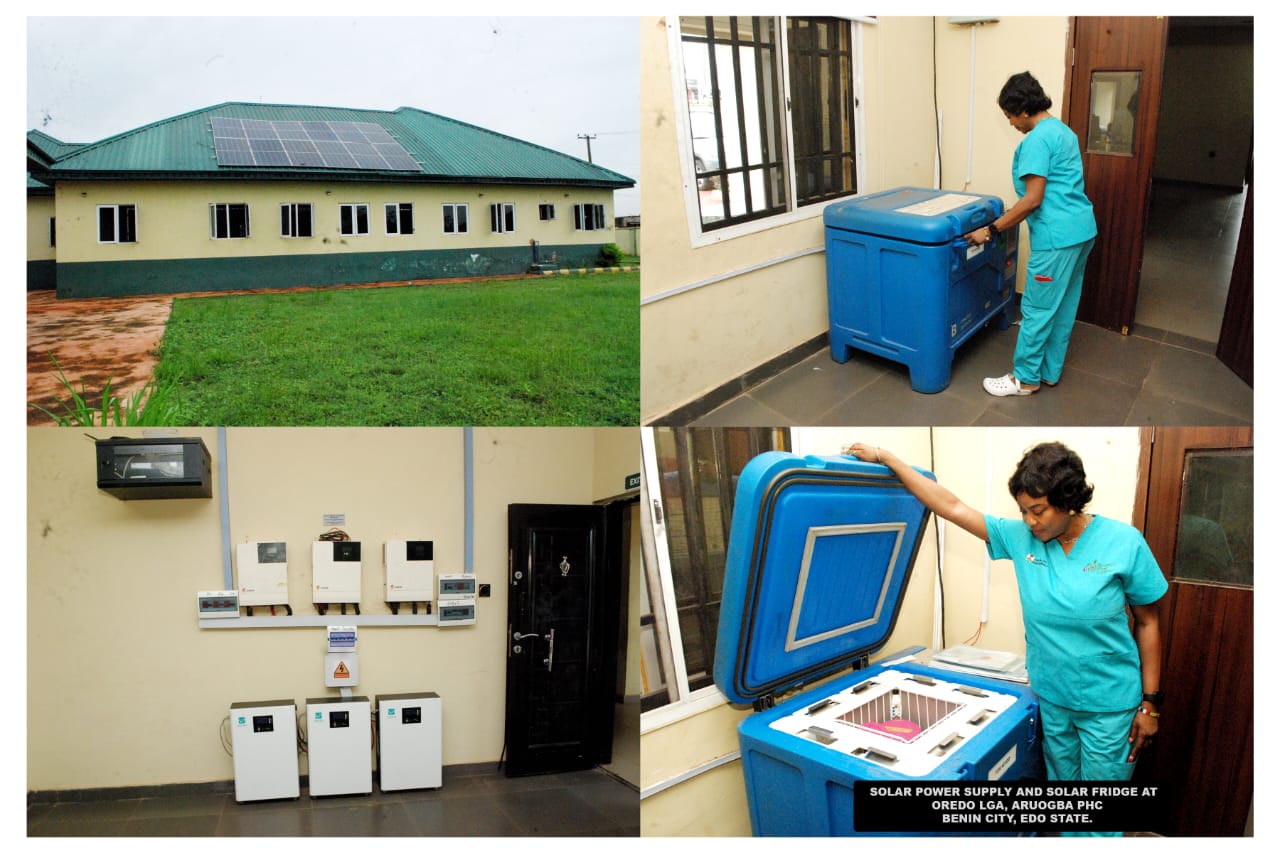
In Aruogba community in Edo State, confidence in public healthcare is gradually returning as residents increasingly embrace services at the revitalised Aruogba Primary Health Centre (PHC) in Oredo Local Government Area.
Once an underutilised facility struggling to attract patients, the health centre has undergone significant transformation, becoming a busy hub for mothers, children and residents seeking affordable and accessible healthcare services.
The facility’s transformation reflects broader efforts by the Federal Government to strengthen primary healthcare delivery across the country through investments in infrastructure, workforce development, essential medicines and healthcare technology.
For the Officer-in-Charge and Assistant Director of Nursing Services at the facility, Mrs Ohiosumua Flora, the difference between the old and new PHC is remarkable.
“A lot has changed in terms of accessibility, utilisation, programmes, supervision and support from government and NGOs,” she said.
According to her, patient turnout has increased significantly since the rehabilitation of the facility.
“When we were in the old building, people were not coming like this. Now people keep coming because the environment is more welcoming,” she explained.
Inside the facility, patients wait comfortably while healthcare workers attend to mothers and children moving through consultation rooms, pharmacy units and laboratory services.
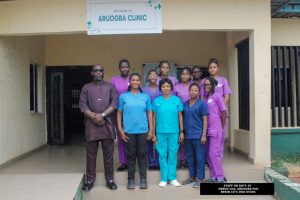
Mrs Flora said the revitalisation has also improved staff efficiency and accountability.
“Now the work is more tasking because we have to ensure proper documentation, data entry and prompt service delivery so patients can continue to trust us,” she stated.
The improvements being witnessed in Aruogba are part of a nationwide healthcare reform programme being implemented by the National Primary Health Care Development Agency (NPHCDA).
According to the Executive Director of the agency, Dr Muyi Aina, Nigeria is moving beyond initiating reforms to consolidating gains and ensuring citizens experience tangible improvements in healthcare delivery.
He disclosed that more than 4,100 primary healthcare centres have undergone revitalisation in the past two years, while over 3,000 have been upgraded nationwide.
The intervention, he said, has resulted in a 59 per cent increase in functional level-two healthcare facilities, bringing the number of functional PHCs across the country to more than 14,000.
At Aruogba PHC, the impact of the reforms extends beyond renovated buildings.
Mrs Flora said health workers have received training in telemedicine, e-clinic management and health insurance services to improve healthcare delivery.
“These trainings have upgraded my knowledge and improved our services,” she said.
Essential medicines are also more readily available, reducing the burden on patients who previously had to source drugs elsewhere.
“We now have most of the drugs patients need here, so we no longer send them outside regularly,” she noted.
For Benedita Okoro, a nursing mother, the improved environment encouraged her to seek care at the facility.
“I did not even know this place was a health centre before. When I saw how beautiful the place had become, I decided to start coming,” she said.
She added that the facility’s proximity to her residence and the availability of medicines have made healthcare more accessible for her family.
Another resident, Mrs Henry Dabora, described the difference between the old and new facility as significant.
“Before now, nobody would attend to you quickly and the environment was discouraging,” she recalled. “But now their services are very good and I have referred many people here.”
Despite the progress, health workers say manpower shortages remain a major challenge.
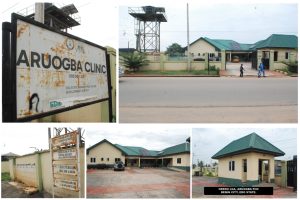
Mrs Flora explained that although recruitment efforts have been made, additional nurses and doctors are still needed to meet growing demand.
“The workload on the doctor here is too much and can lead to burnout,” she said.
She also acknowledged the continuing migration of healthcare professionals abroad in search of better opportunities.
“Even the ones here, if they have the opportunity, they will travel,” she admitted.
At the laboratory unit, medical laboratory scientist Eghareyba Andrew said the revitalisation has improved healthcare delivery but stressed the need for additional equipment and infrastructure.
“Laboratory services are a key part of healthcare. If laboratories are not properly equipped, there will be gaps in patient care,” he explained.
He noted that many PHCs now handle more complex cases than before, making modern diagnostic tools increasingly important.
“Primary healthcare should not only be for the poor; it should be for everybody,” he said.
At the pharmacy unit, Pharmacy Technician Laurentia Iyopuja said drug stock-outs have reduced significantly because supplies are now monitored and replenished regularly.
“Before we run out completely, we usually get refills,” she explained.
Community participation has also emerged as a major strength of the facility.

Mrs Flora credited the Ward Development Committee and traditional rulers for supporting mobilisation efforts, health outreaches and community awareness campaigns.
“If we need anything, we call them and they respond immediately,” she said.
Nationally, the Federal Government says healthcare investments are also being extended to solar power systems, cold-chain infrastructure and workforce development.
According to Dr Aina, more than 78,000 frontline health workers have been retrained nationwide using an integrated primary healthcare curriculum. In addition, over 19,000 skilled birth attendants and nearly 4,000 community health workers have been recruited in partnership with state governments.
The government has also distributed 60,000 safety kits to health workers and deployed solar-powered refrigerators and vaccine carriers to strengthen immunisation services, particularly in hard-to-reach communities.
Back at Aruogba PHC, healthcare workers believe sustaining the gains will require continued investment in manpower, equipment and staff welfare.
For Mrs Flora, the goal is to see the facility upgraded further into a more advanced maternal and child healthcare centre.
“I am satisfied with what we have now,” she said with a smile, “but I still want us to improve further.”
As more residents continue to seek care at the revitalised facility, Aruogba PHC is becoming a visible example of what sustained investment in primary healthcare can achieve. While challenges such as staffing shortages and equipment needs remain, the transformation has renewed confidence among residents that quality healthcare can be accessible within their communities.
For many families, the revitalised facility represents more than improved infrastructure; it symbolises renewed trust in public healthcare and hope for a healthier future.