The Speaker of the House of Representatives, Mr Abbas Tajudeen, has urged legislative journalists to focus on evidence-based reporting.
He also urged them to examine legislation based on its provisions and likely consequences, rather than the political circumstances surrounding it.
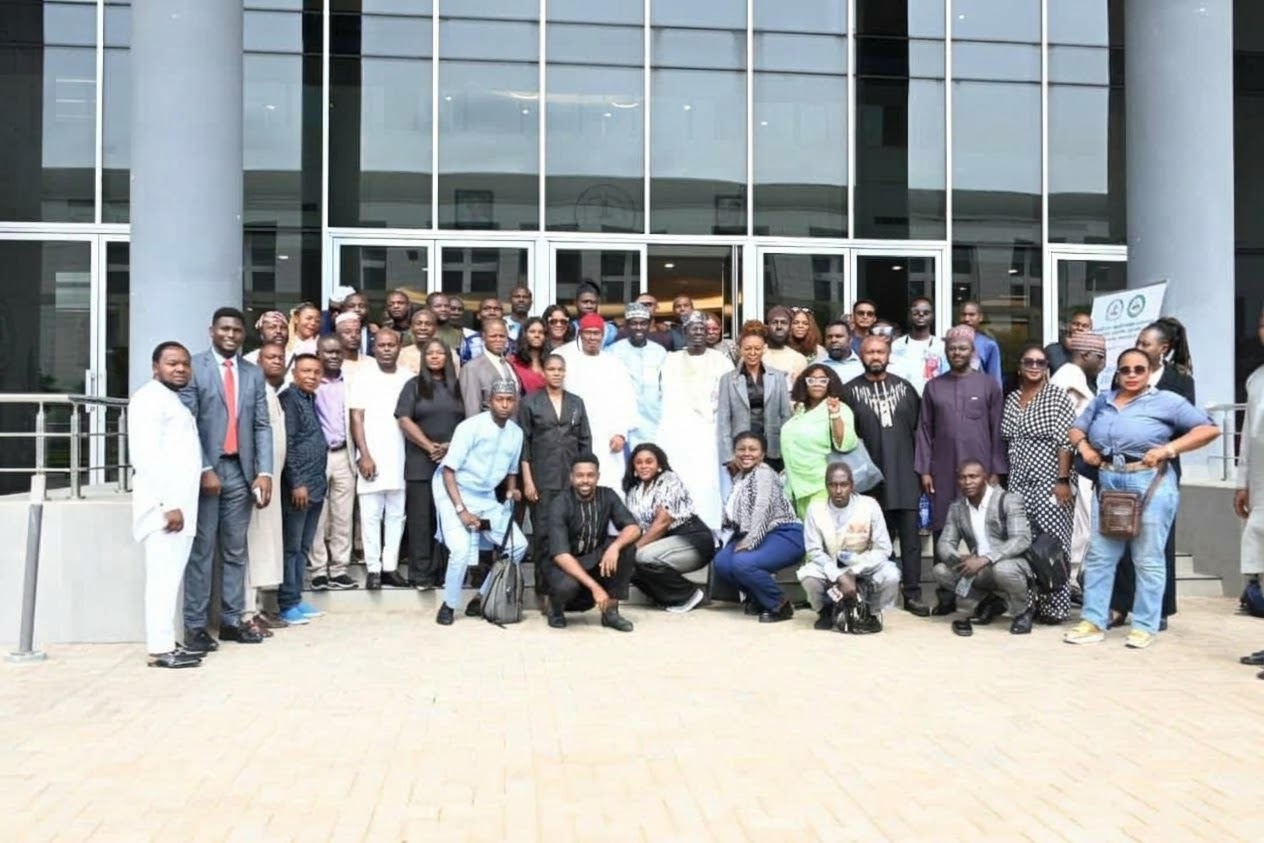
The Speaker said this at the 2nd Annual Distinguished Parliamentarian Lecture and Award Series organised by the House of Representatives Press Corps in Abuja
“Bills deserve examination of their principles, their provisions and their likely consequences. Legislation should not be judged merely by the political circumstances in which it originates. Nor should public policy be assessed simply according to who proposes it, which party supports it, or which section of the country perceives itself to be in favour of it,” Mr Abbas said.
The Speaker, who was represented by the House Spokesman, Mr Akin Rotimi Jr, appealed to journalists to steer discussions on national development away from partisan considerations.
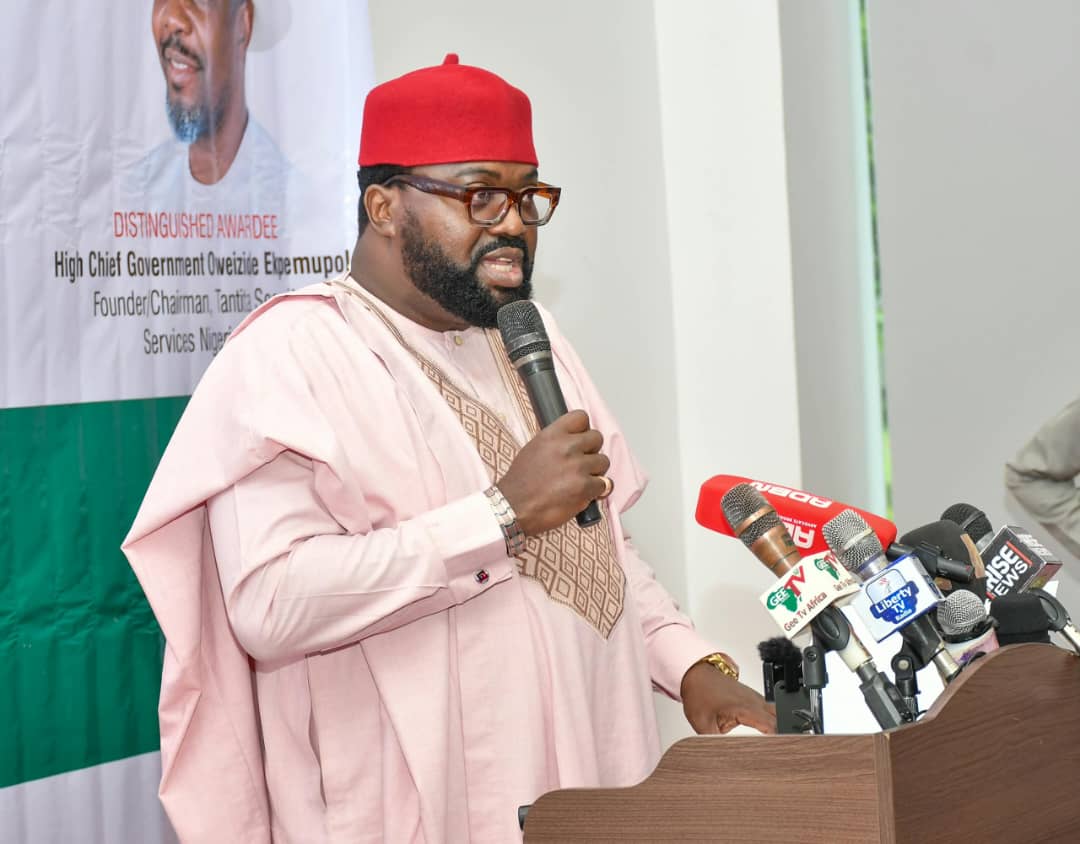
He said; “Genuine patriotism requires the courage to ask whether a policy works, whether a law is fit for purpose and whether public resources are being deployed in the national interest.”
He also urged journalists covering the National Assembly to report not only what lawmakers say but also what is at stake in the decisions being taken.
“As journalists, the public deserves reports and accounts of not only what was said, but also what is at stake,” Mr Abbas said.
He urged journalists to scrutinise legislation based on evidence, its provisions and likely consequences, rather than partisan considerations.
“A healthy democracy requires a Parliament that can explain and defend its decisions, and a press that can question us without fear or favour. To love one’s country is not to suspend one’s capacity for critical thought. Genuine patriotism requires the courage to ask whether a policy works, whether a law is fit for purpose and whether public resources are being deployed in the national interest,” he said.
The Speaker added that the Parliament and the media had complementary roles in strengthening democracy.
A former House Minority Leader, Mr Ndudi Elumelu, called for strong oversight, adequate funding, training, welfare and professional standards for personnel under any new policing arrangement.
Elumelu noted that the debate was bigger than policing, describing it as “a question of federalism, governance and constitutional responsibility.”
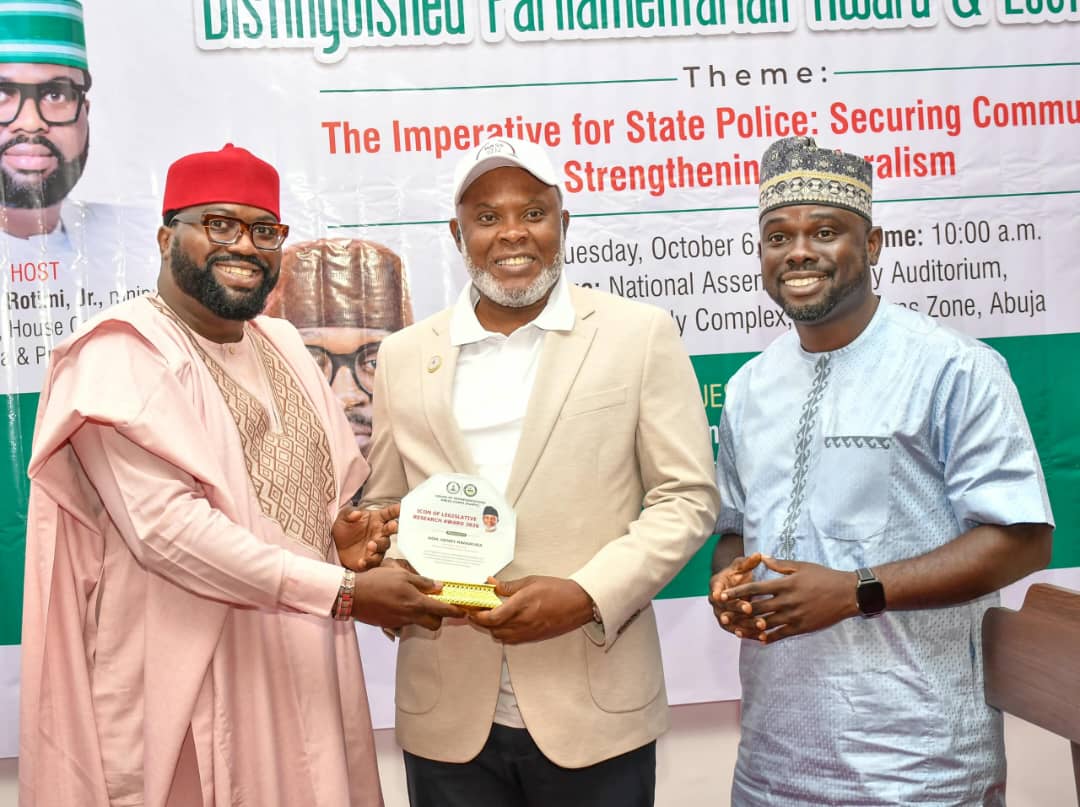
The Chairman of the House of Representatives Press Corps, Mr Gboyega Onadiran, said “the choice of state police as the theme reflected the urgent security concerns facing Nigerians.”
He said the issue of state police had moved beyond a theoretical debate and had become a lived reality for millions of Nigerians.
Mr Onadiran said the central questions were whether state police could protect communities without becoming a political tool of governors and how the system could strengthen federalism while maintaining professionalism, accountability and independence.
He said the Corps organised the lecture to deepen public understanding of parliamentary processes and contribute to national debate on governance and security.
The state police bill seeks to create a policing system in which individual state governments have their own police forces, alongside the existing Nigeria Police Force controlled by the Nigerian Government.
The proposed model is intended to bring policing closer to communities, allowing officers to respond more quickly to local security challenges and draw on better knowledge of the communities they serve.
Mr Onadiran said parliamentary journalists had witnessed growing pressure from constituents over terrorism, banditry, kidnapping, farmer-herder conflicts and ungoverned spaces.
“The question of state police is no longer a theoretical debate. It is a lived reality for millions of Nigerians who continue to ask why the security of their communities should be managed from a centre so far removed from them.” he said.
Mr Onadiran, however, warned against allowing state police to be controlled by governors without adequate safeguards.
He called for effective oversight, sustainable funding and institutional protections to ensure professionalism and independence.
The lecture formed part of the House of Representatives Press Corps’ efforts to promote public discourse on critical national issues and provide a platform for stakeholders to examine major policy and governance questions confronting the country.
The event, themed “The Imperative of State Police: Securing Communities, Strengthening Federalism,” brought together lawmakers, security officials, journalists and other stakeholders to examine the proposed decentralisation of policing in Nigeria.