Nigeria, Sierra Leone and Guinea-Bissau have called for stronger legislative, institutional and financing frameworks to address the continent’s growing waste-management challenges and accelerate the transition towards a circular economy.
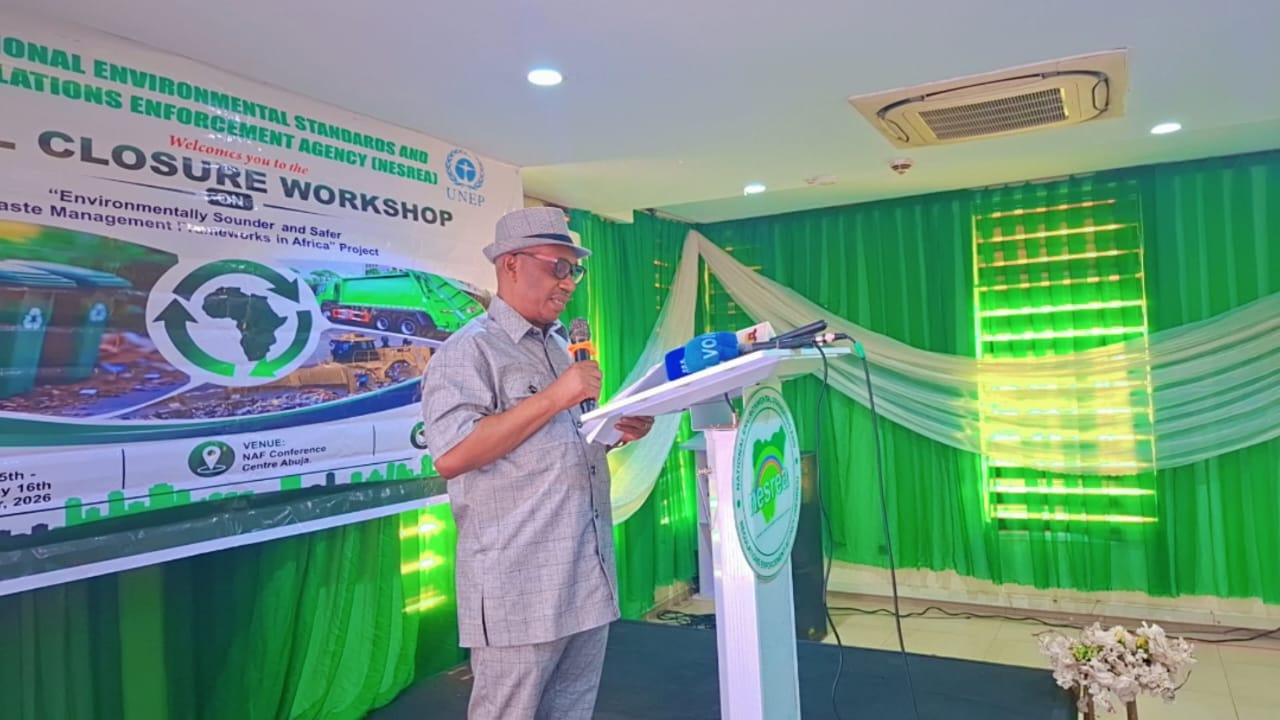
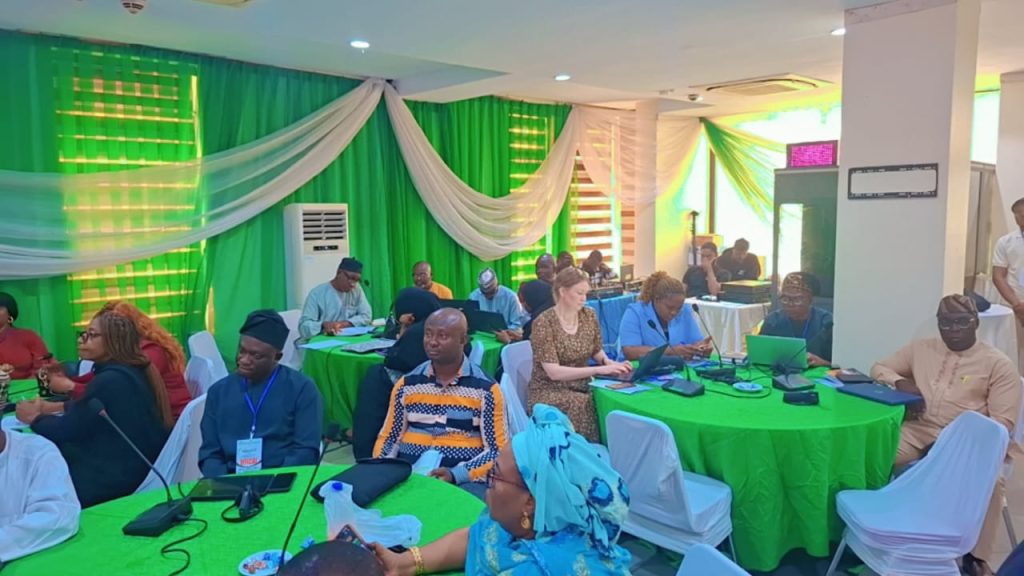
The call was made at the Final Regional Closing Workshop on the “Environmentally Sounder and Safer Waste Management Frameworks in Africa” project, held in Abuja, where policymakers, regulators, development partners, and representatives of participating African countries reviewed the project’s findings and recommendations.
The workshop, hosted by (NESREA), followed pilot programmes launched in Abuja in November 2025 and implemented under a United Nations Development Account (UNDA)-funded initiative led by the United Nations Environment Programme (UNEP) in collaboration with other UN agencies.
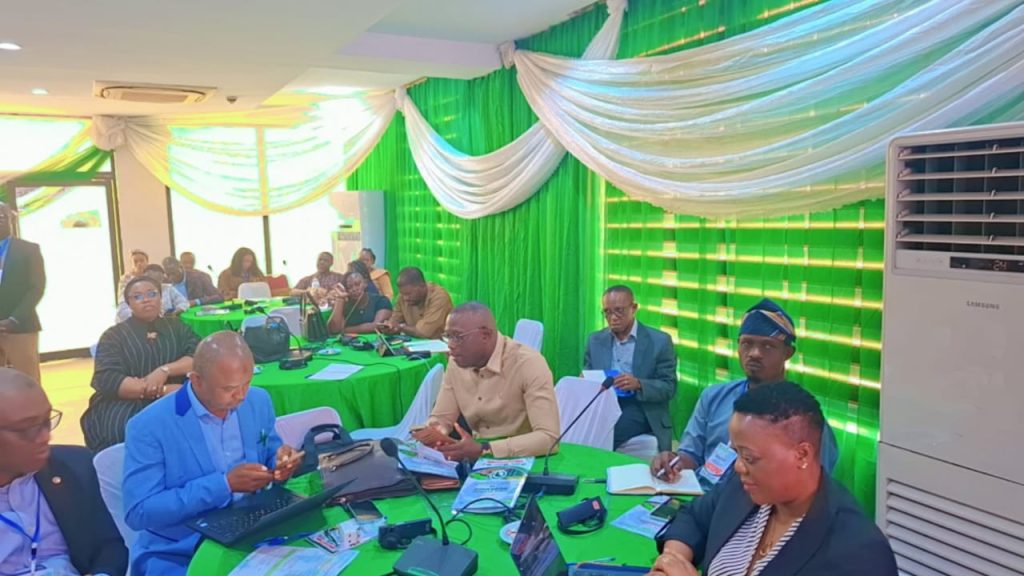
The project covered Guinea-Bissau, Nigeria and Sierra Leone, with the objective of strengthening national and regional approaches to environmentally sound and safer waste management.
Speaking at the opening of the workshop, the Director-General of NESREA, Professor Innocent Barikor, said the initiative represented an important milestone in Africa’s collective efforts to tackle persistent waste-management challenges.
Barikor said the workshop provided an opportunity for stakeholders to review and validate the project’s key findings, legislative proposals and recommendations while developing practical pathways for implementation, resource mobilisation and long-term sustainability beyond the project’s closure.
He noted that “waste management remained one of Africa’s major environmental and developmental challenges, with inadequate infrastructure, insufficient funding and limited public awareness continuing to undermine effective waste management in many countries.”
According to him, the recommendations arising from the project would help strengthen legislative and institutional frameworks while promoting the inclusion and protection of informal waste workers.
“Together we shall produce a set of concrete post-project implementation and sustainability roadmaps that will inform policy and legislative reforms, strengthen institutional capacity, ensure gender inclusion, protect the rights of children and improve overall waste management outcomes,” he said.
The NESREA Boss stressed that the project aligned with Nigeria’s drive towards a circular economy and resource efficiency, noting that better waste management could simultaneously promote economic growth, social wellbeing and environmental protection.
He urged participants to actively engage in the workshop’s deliberations and develop recommendations capable of translating the project’s findings into practical and sustainable action.
Representing the Government of Sierra Leone, the country’s Deputy Minister of Environment Mrs Yeama-Mimi Sobba-Stephens described the closing workshop as an important opportunity to assess the work undertaken and determine how the gains achieved under the project could be sustained after its formal conclusion.
The Deputy Minister expressed Sierra Leone’s appreciation to UNEP for its technical leadership and support, while also commending the Nigerian Government and NESREA for hosting the regional event.
She said the project had been particularly timely for Sierra Leone, where rapid urbanisation, population growth, changing consumption patterns and inadequate infrastructure continue to put pressure on waste-management services in Freetown and other growing municipalities.
According to her, “the project had enabled Sierra Leone to examine waste-management challenges as part of an integrated waste-governance system.”
The Deputy Minister said the country had identified the need for a comprehensive and harmonised legal framework covering the full waste hierarchy prevention, reduction, reuse, recycling, recovery and environmentally sound disposal as a last resort.
She said such an approach was necessary to move African countries away from systems largely focused on collection and dumping towards circular economies where materials could be retained in productive use for as long as possible.
The Sierra Leonean delegation noted that informal waste workers make significant contributions to collection, sorting, recycling and community cleanliness, despite often operating without adequate recognition, occupational health and safety protection, social protection and appropriate equipment.
Mrs Yeama-Mimi Sobba-Stephens called on UNEP and regional partners to support continued technical exchanges, peer learning and mobilisation of resources for implementation.
Legal Specialist, UNEP, Law Division Valentina Ricca, said the initiative was designed to help countries strengthen their waste management systems and address the challenges faced by informal workers in the sector.
Ricca said; “the project, which began in 2023 and is being concluded this year, was implemented by UNEP’s Law Division in partnership with the UN-Habitat waste management team, with a focus on Guinea-Bissau, Sierra Leone and Nigeria.”
She explained that the initiative was developed in response to requests from the three countries through their national focal points under UNEP’s Fifth Montevideo Environmental Law Programme.
She noted that assessments conducted under the project revealed that waste management laws and systems in many African countries were not yet fully aligned with integrated solid waste management principles, including waste prevention, recycling, composting and environmentally sound disposal.
According to Ricca, the project adopted a three-phase approach involving legal and institutional assessments, broad stakeholder consultations and the development of practical reform proposals. Government institutions, local authorities, academia, civil society organisations, the private sector and representatives of informal waste workers participated in consultations and validation workshops.
The representative of Minister of Environment, Mrs Adeola Omotunde, says the closure of this engagement is not the end, but rather the beginning of implementation.
The Ministry looks forward to strengthening collaboration with NESRA and other relevant stakeholders to improve compliance, protect the interests of informal waste workers, and ensure their effective integration into the waste management value chain.
“These initiatives are essential for improving waste management practices, strengthening environmental compliance, and delivering tangible benefits to communities across Nigeria.” She said
The workshop therefore marked not only the completion of a regional project but the beginning of a more demanding implementation phase.
As the participating countries move towards translating the project’s recommendations into national policies, legislation and practical systems, stakeholders expressed optimism that stronger cooperation could contribute to cleaner communities, improved public health, decent livelihoods and a more sustainable African economy.