UNESCO and its partners have called for greater media and information literacy to foster peaceful, credible and inclusive elections in Nigeria, warning that misinformation, disinformation, hate speech and AI-generated falsehoods pose growing threats to the country’s democratic process.
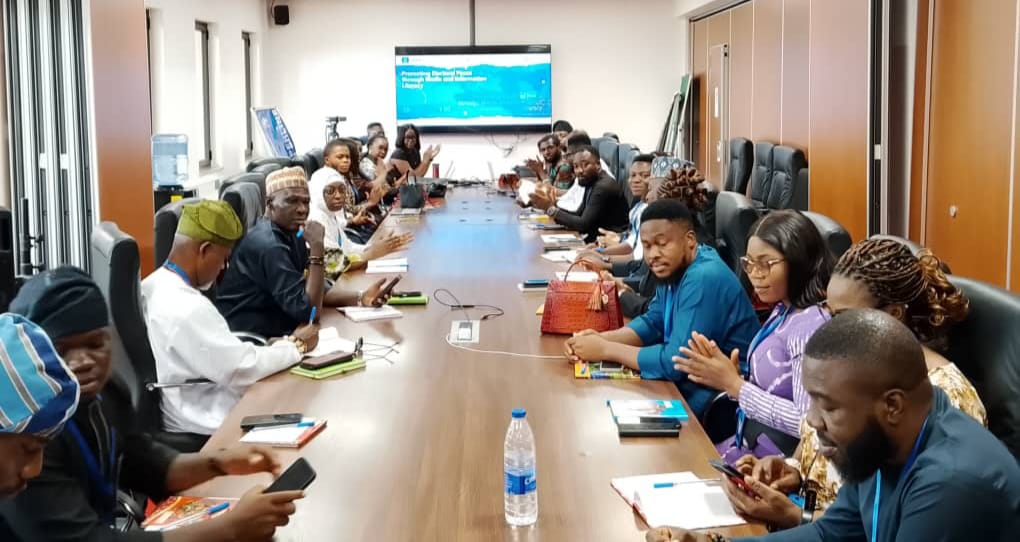
The call was made at a workshop on “Promoting Electoral Peace through Media and Information Literacy” in Abuja, organised by UNESCO in collaboration with electoral and governance stakeholders to strengthen responsible information sharing ahead of future elections.
Representing the UNESCO Regional Director for the Sahel, Dimitri Sanga, the Officer-in-Charge of the Communication and Information Sector at UNESCO Abuja, Yachat Nuhu, said “the workshop reflected a shared commitment to strengthening Nigeria’s democracy through informed civic participation.”
He noted that while digital technologies have expanded opportunities for political engagement, they have also accelerated the spread of false information, hate speech and AI-generated content capable of undermining public trust.
Nuhu said “young Nigerians, as major users of digital platforms, play a critical role in shaping public opinion and should be equipped to identify manipulated content, reject false narratives and promote responsible online behaviour.”
According to him, “media and information literacy equips citizens with critical thinking skills to assess information, detect misinformation and contribute to a more resilient democratic process.”
“The integrity of elections depends not only on institutions but also on the quality of information citizens share and consume,” he said.
Also speaking, Director of the UNESCO Category II International Media and Information Literacy Institute (IMILI), Dr Sharon Omotosho, stressed the need for sustained collaboration among stakeholders as Nigeria prepares for another election cycle.
She urged political parties, media organisations and citizens to verify information before sharing it and use communication platforms to promote peace rather than violence.
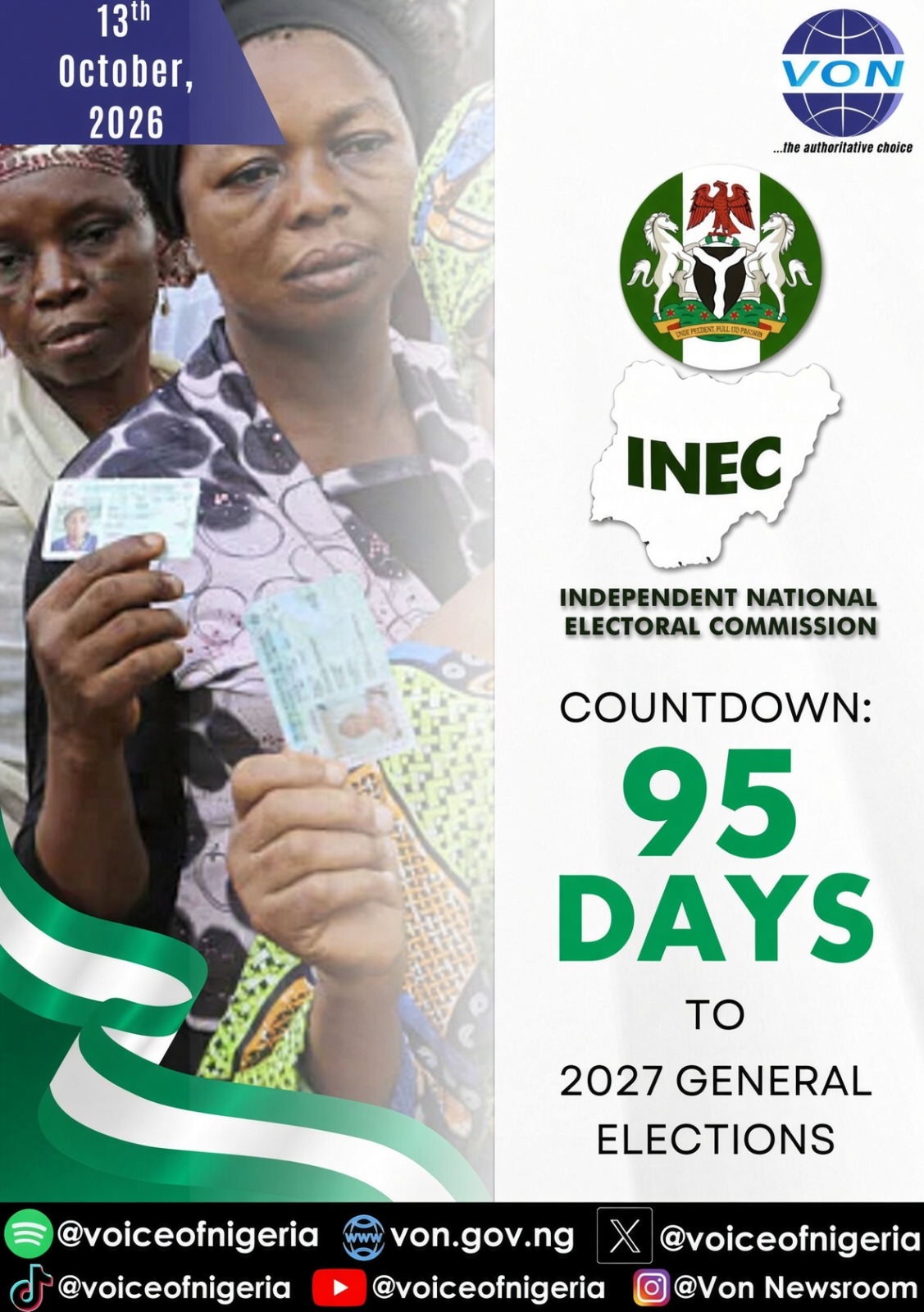
Representing the Independent National Electoral Commission (INEC), Assistant Director of Information and Publicity, Esther Chibukem, described the workshop as timely as preparations continue for upcoming elections, including the 2027 general elections.
She said “public trust remains central to INEC’s mandate and noted that the commission is engaging political parties, the media, youth groups and other stakeholders to strengthen confidence in the electoral process.”
Chibukem explained that misinformation is the unintentional spread of false information, while disinformation is deliberately created to deceive.
She warned that false information, hate speech, vote-buying, political thuggery and manipulated digital content could fuel electoral violence if left unchecked.
She added that safeguarding elections requires the collective efforts of all stakeholders, not INEC alone.
Participants described the workshop as timely and impactful.
Director-General of the PDP Female Youth Wing, Lovett Ezeko, said the engagement deepened her understanding of information integrity and responsible communication, while another participant, Elvis Ehimoto, described the initiative as a vital step towards preventing electoral violence through public education.
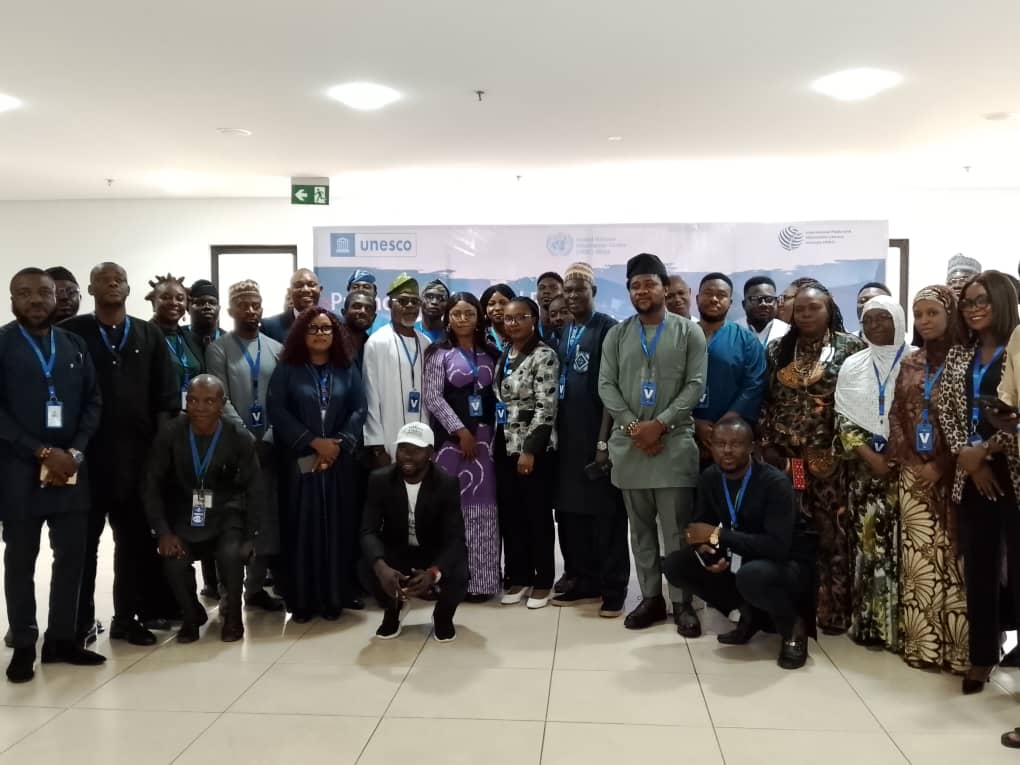
The workshop ended with participants pledging to promote media and information literacy, encourage fact-checking, reject hate speech and support peaceful, transparent and credible elections across Nigeria.