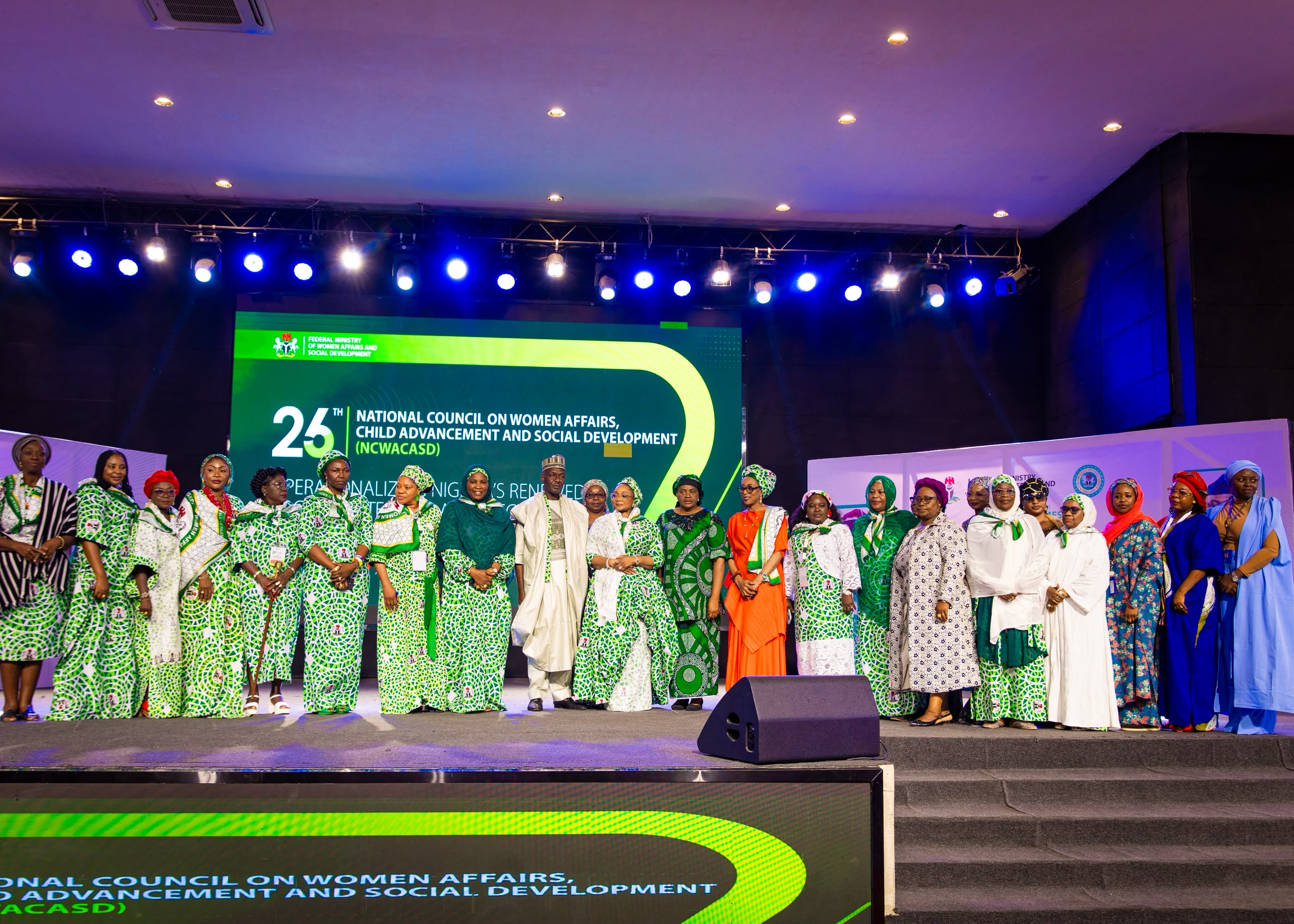
The 26th National Council on Women Affairs, Child Advancement and Social Development has ended in Jalingo, Taraba State, with stakeholders renewing commitments to strengthen policies and collaboration for women, children, families and vulnerable Nigerians.
Minister of Women Affairs and Social Development, Hajiya Imaan Sulaiman-Ibrahim, said Nigeria must move beyond policy commitments to implementation, particularly on gender equality and women’s representation.
“Despite progress we have made in our quest for gender equality or equity, there is still a bit of pushback,” she said, stressing that women should seek 50 per cent representation if they constitute half of the population.
The minister said the ECOWAS Presidential Declaration on Gender Equality requires Nigeria to adopt and operationalise the 50-50 parity principle, noting that the Abuja Declaration underscores the urgency of its domestication.
READ ALSO: Minister Of Women Affairs Pushes For Bold National Reforms
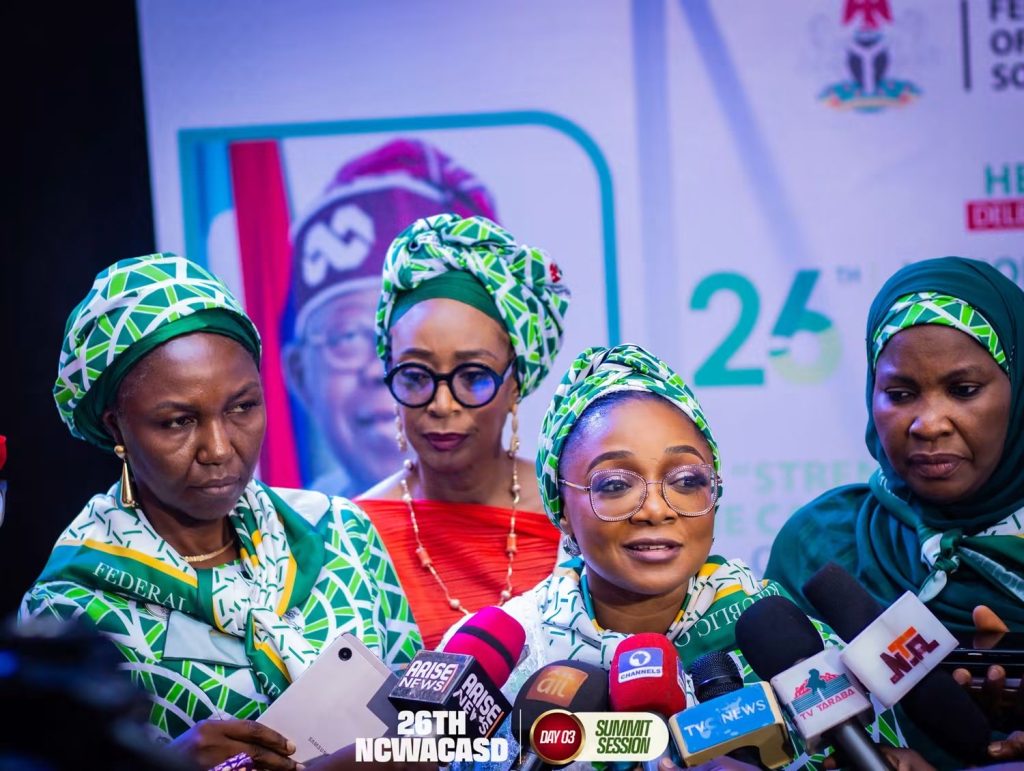
According to her, the council’s outcome will strengthen collaboration among federal and state governments, development partners, civil society organisations, the private sector, traditional and religious leaders, and communities.
Sulaiman-Ibrahim said national interventions must go beyond pilot projects and isolated efforts, stressing the need to ensure that policies and programmes reach the grassroots.
She also highlighted efforts to strengthen Nigeria’s social workforce, noting that the Social Work Council, established by legislation, would soon have new leadership to enhance professional social services across the country.
The Minister linked the reforms to President Bola Ahmed Tinubu’s prioritisation of women, children, families and social development, stating that women would contribute significantly to the administration’s one-trillion-dollar economy ambition.
She urged women to make strategic political choices based on candidates’ commitment to issues affecting them rather than offering support without clear benefits.
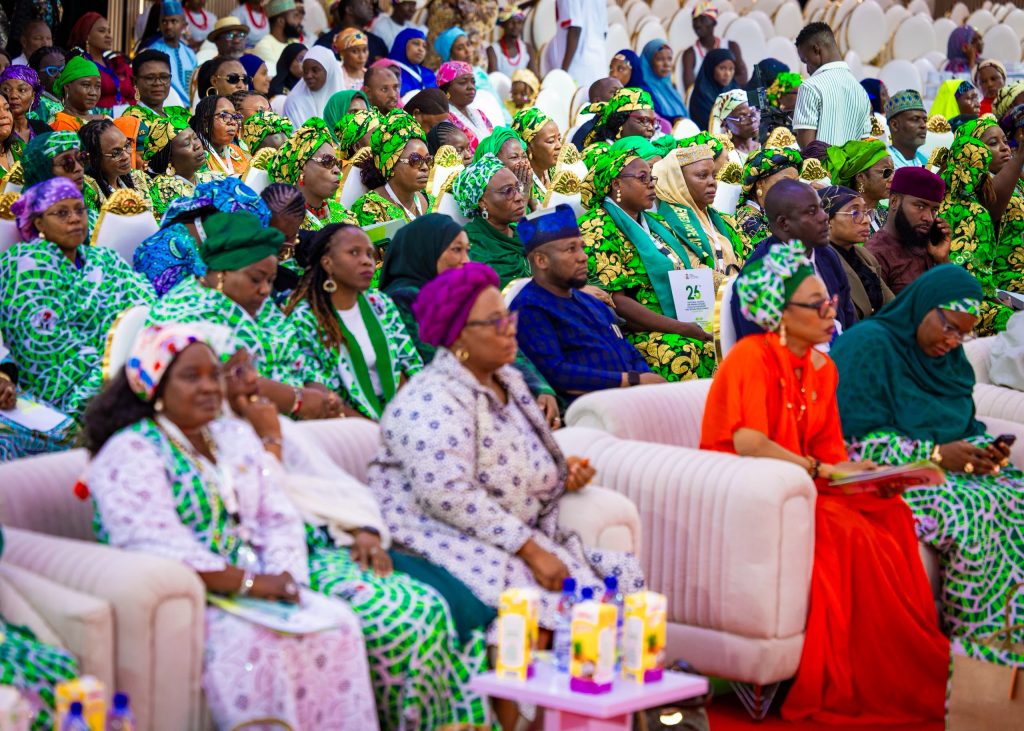
“We are not going to be a supporters club,” she said, urging women to support leaders who understand the priorities of women in the country.
Speaking on behalf of the College of Commissioners of Women Affairs in Nigeria, Cross River State Commissioner for Women Affairs, Honourable Edema Irom, described the council’s theme as timely and strategic.
Irom affirmed the commissioners’ commitment to translating the council’s resolutions into practical action, particularly in women’s economic empowerment, elimination of gender-based violence, child protection, social services and partnerships.
She also stressed the importance of recognising care work as a vital economic contribution.
“No more in Nigeria will anybody say to a woman, ‘What have you been doing since morning?’ We will measure the care economy,” she said.
In a keynote address, the immediate past Ogun State Commissioner for Women Affairs and Social Development, Adijat Motunrayo Adeleye-Oladapo, drew on more than three decades of political experience to advocate greater opportunities for women.
“When you are determined, the door is just there for you to pass through,” she said, describing determination, resilience and competence as critical strengths women bring to national development.
She cited the emergence of two former women affairs commissioners as APC governorship flag bearers as evidence of women supporting one another and advancing politically.
Urging women to celebrate and support one another, she said, “Your shine cannot dim mine.”
The council, themed “Strengthening Families and Advancing the Care Economy for Inclusive Development: Operationalising Nigeria’s Renewed Social Protection Architecture,” brought together commissioners of women affairs from across the states and other stakeholders to deliberate on practical measures for inclusive development.
The meeting ended with a shared commitment to implementation, stronger partnerships and accountability aimed at translating policy decisions into measurable improvements for women, children, families and vulnerable Nigerians.