Zambia has been elected to the United Nations Human Rights Council (UNHRC) for the 2027–2029 term, securing 177 votes in the UN General Assembly, the highest tally recorded by any candidate country in this year’s election.
The election took place at the General Assembly headquarters in New York, where Zambia received 177 of the 181 valid votes cast by UN member states.
Zambia was among 15 countries elected to the 47-member council.
Other successful candidates include Burundi, Ghana and Nigeria, representing Africa, as well as Brazil, the Dominican Republic, Germany, Ireland, Japan, Jordan, Kuwait, Nepal, Moldova, Ukraine and Uruguay.
The newly elected members will begin their three-year mandates on January 1, 2027, replacing countries whose terms expire at the end of this year.
ALSO READ: Nigeria Secures UN Human Rights Council Seat
President Hakainde Hichilema welcomed Zambia’s election, describing the outcome as a strong endorsement of the country’s commitment to promoting and protecting human rights.
In a statement following the vote, Hichilema thanked UN member states for their support, saying the result reflected international confidence in Zambia’s human rights record and commitment to multilateral cooperation.
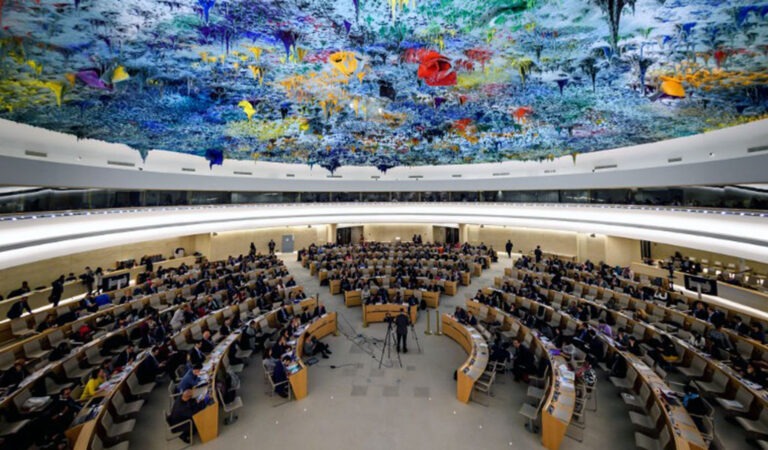
The UN Human Rights Council is the United Nations’ principal intergovernmental body responsible for promoting and protecting human rights worldwide.
Established by the UN General Assembly in 2006, the council monitors human rights situations, conducts periodic reviews of member states and addresses allegations of violations across different regions.
The council has 47 seats allocated according to geographical representation, with members elected by the General Assembly through a secret ballot.
Each member serves a three-year term and may be re-elected once for a consecutive term.
In the latest election, four seats were allocated to African countries.
Zambia, Burundi, Ghana and Nigeria were elected unopposed to fill the continent’s available positions.
Zambia’s strong showing places it among the newly elected members expected to contribute to the council’s work on international human rights standards and accountability during the 2027–2029 term.