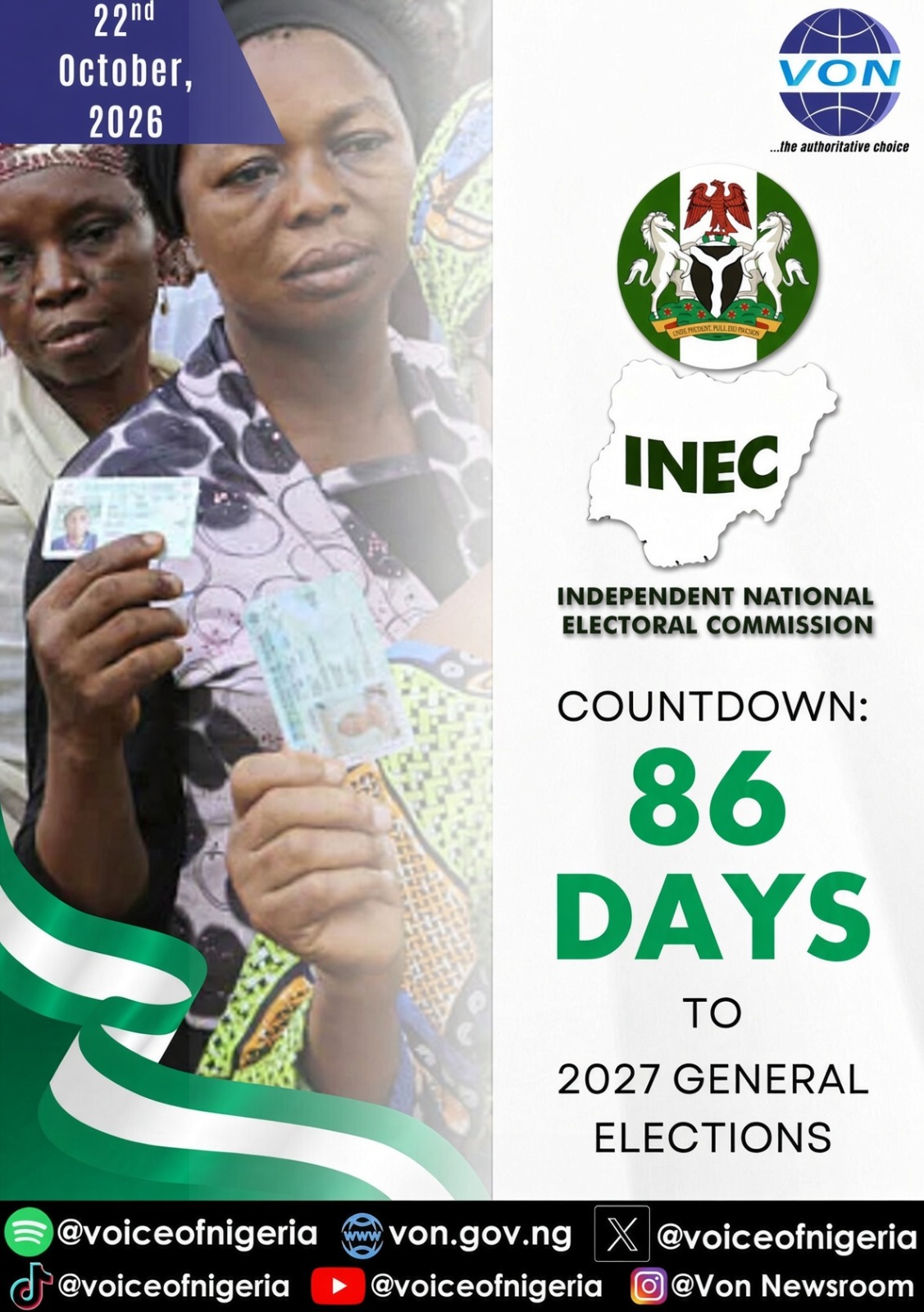
Nigerians have been urged to translate their concerns about the country’s economic challenges, insecurity and governance into active civic participation ahead of the 2027 general elections.
The Executive Director of the Policy and Legal Advocacy Centre (PLAC), Mr Clement Nwankwo, made the call while delivering the keynote paper at the eighth annual public lecture of the Just Friends Club of Nigeria (JFCN) in Abuja.
The lecture, held on Tuesday, 20 October 2026, in Abuja was themed “From Concern to Action: Making Our Votes Count in the 2027 General Elections”.
According to him, voters should assess political parties and candidates based on their records, policies and capacity to address the country’s challenges rather than make choices solely on ethnic, regional or party affiliations.
He, however, urged Nigerians not to allow frustration to discourage them from participating in the electoral process.
He called on political parties to present credible plans for tackling insecurity, improving electricity supply, creating employment and addressing the cost of living.
Nwankwo also stressed the importance of electoral transparency, urging voters to obtain their Permanent Voter Cards, understand electoral procedures and support lawful efforts to monitor elections and document irregularities.
He said political parties should adequately train their polling agents and ensure that electoral disputes were addressed through appropriate legal channels.
The PLAC executive director further urged civil society organisations, professional associations, journalists and community leaders to educate citizens about their electoral rights and responsibilities.
He maintained that concerns about the electoral process should encourage greater participation and accountability rather than political disengagement.
Earlier, the Chairman of the occasion and Country Director of CARE Nigeria, Mr Hussaini Abdul, identified the weakening influence of Nigeria’s middle class as a major challenge to collective action and democratic development.
Abdul observed that many middle-class Nigerians increasingly sought private solutions to public problems, including electricity, healthcare, education and water supply, instead of organising to demand better public services.

He said this tendency had weakened collective efforts to hold public authorities accountable.
Abdul also expressed concern about low voter participation in some affluent communities, noting that educated and economically influential citizens had an important role to play in strengthening democracy.
He called for greater civic engagement, stressing that sustainable development required citizens to organise, participate and demand accountable governance.
In his welcome address, the President of JFCN, Mr Amaechi C. Aloke, said the theme of the lecture underscored the need for Nigerians to move beyond expressing dissatisfaction with national challenges and participate actively in shaping the country’s future.
Aloke stressed that meaningful change required informed participation and responsible citizenship, adding that public concern must translate into knowledge, knowledge into participation, and participation into accountability.

According to him, citizens’ responsibilities should extend beyond election day to include sustained engagement with public affairs and holding elected officials accountable for their performance.
The JFCN president said the annual public lecture series began in 2014, a year after the club was established, and had provided a platform for discussions on national issues, including economic policy, security, infrastructure, electoral development and the cost of governance.
He also highlighted the club’s humanitarian activities, including visits to homes for older people, orphanages and facilities supporting children with disabilities, as well as career guidance and counselling programmes in public schools.
Aloke stated that the organisation was sponsoring eight indigent students through their secondary education in Abuja as part of its efforts to support vulnerable members of society.
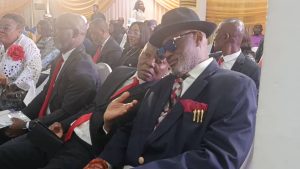
He expressed hope that the lecture would deepen participants’ understanding of electoral responsibility and encourage Nigerians to make informed choices, participate peacefully in the electoral process and hold elected leaders accountable.
He urged participants to apply the knowledge gained from the discussion to promote responsible citizenship and contribute to a more accountable democratic process ahead of the 2027 general elections.
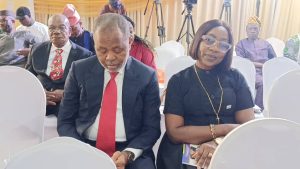
The speakers emphasised the importance of informed electoral choices, collective civic action and sustained public accountability in addressing Nigeria’s challenges and strengthening democratic governance.