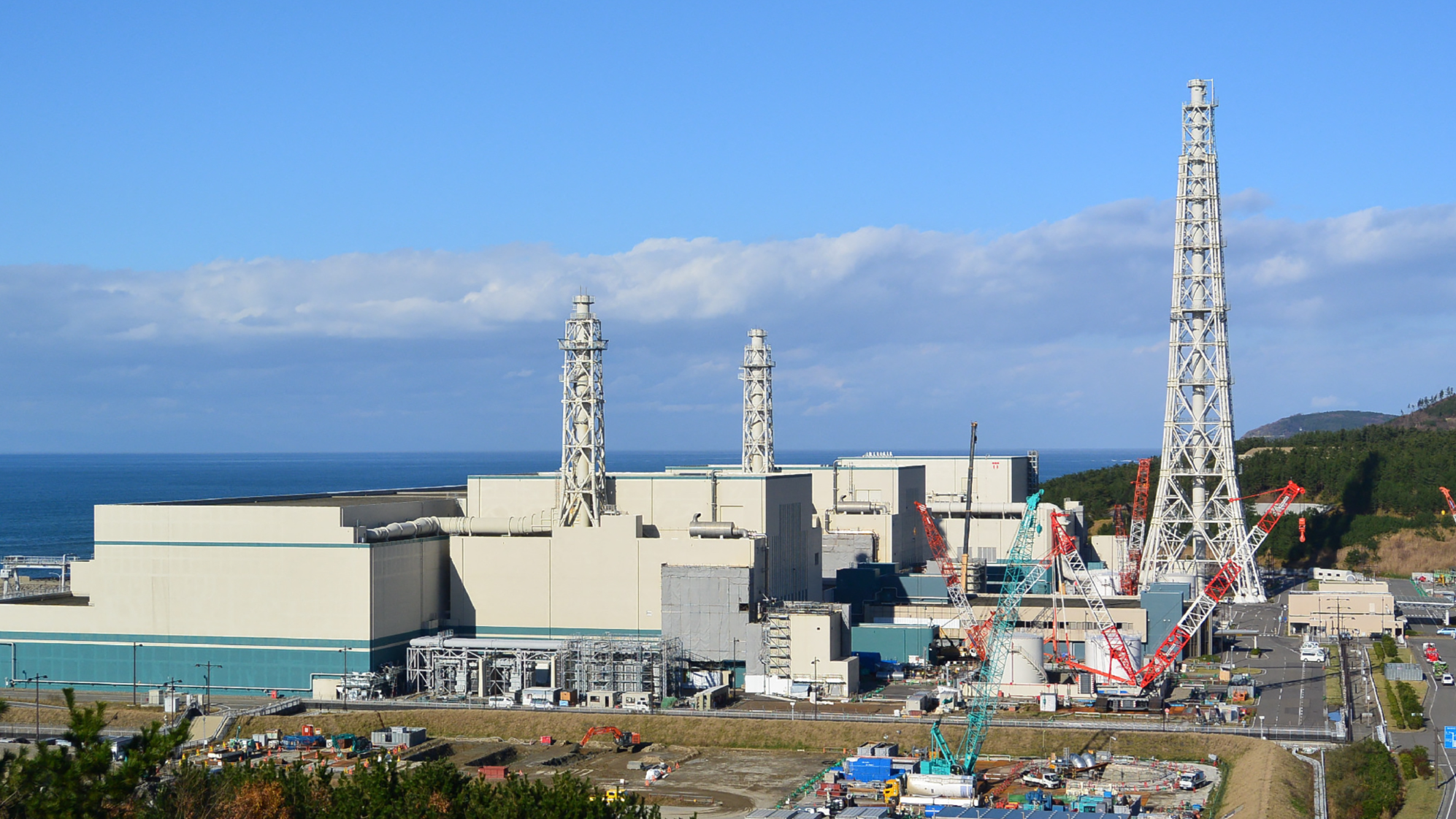
Japan has taken the final step to allow the world’s largest nuclear power plant to resume operations with a regional vote on Monday.
The vote marks a watershed moment in the country’s return to nuclear energy nearly 15 years after the Fukushima disaster.
Kashiwazaki-Kariwa, located about 220 km (136 miles) northwest of Tokyo, was among 54 reactors shut after the 2011 earthquake and tsunami crippled the Fukushima Daiichi plant in the worst nuclear disaster since Chernobyl.
Since then, Japan has restarted 14 of the 33 that remain operable, as it tries to wean itself off imported fossil fuels.
Kashiwazaki-Kariwa will be the first operated by Tokyo Electric Power Co (TEPCO) (9501.T), which ran the doomed Fukushima plant.
READ ALSO: Japan Lifts Tsunami Warning after Magnitude Earthquake
On Monday, Niigata prefecture’s assembly passed a vote of confidence on Niigata Governor Hideyo Hanazumi, who backed the restart last month, effectively allowing for the plant to begin operations again.
“This is a milestone, but this is not the end,” Hanazumi told reporters after the vote. “There is no end in terms of ensuring the safety of Niigata residents.”
While lawmakers voted in support of Hanazumi, the assembly session, the last for the year, exposed the community’s divisions over the restart, despite new jobs and potentially lower electricity bills.
“This is nothing other than a political settlement that does not take into account the will of the Niigata residents,” an assembly member who opposed the restart told fellow lawmakers as the vote was about to begin.
Outside, around 300 protesters stood in the cold holding banners reading ‘No Nukes’, ‘We oppose the restart of Kashiwazaki-Kariwa’ and ‘Support Fukushima’.
“I am truly angry from the bottom of my heart,” Kenichiro Ishiyama, a 77-year-old protester from Niigata city, told Reuters after the vote. “If something was to happen at the plant, we would be the ones to suffer the consequences.”
According to reports, TEPCO is considering reactivating the first of seven reactors at the plant on January 20.
Reuters/Wumi