

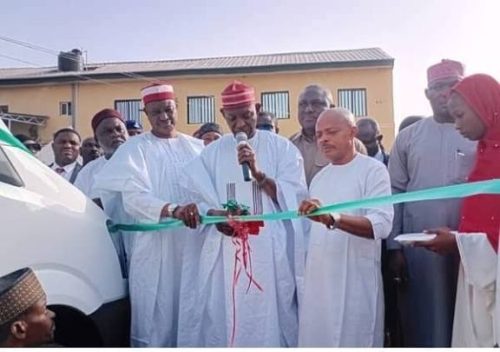
The Kano State Government has officially launched the Presidential Initiative on Compressed Natural Gas (CNG) and Electric Vehicles (EVs).
The programme is described as a major step toward economic transformation, affordable transportation, job creation, and industrial development in Northern Nigeria.
The event, held in Kano, attracted top government officials, private sector investors, traditional leaders, business stakeholders, and development partners from across the country.
READ ALSO: President Tinubu Orders Nationwide Rollout of Vehicle Conversion Kits
President of the Federal Republic of Nigeria, Bola Ahmed Tinubu, was represented by the Vice President, Kashim Shettima, through the Deputy Chief of Staff to the President, Senator Ibrahim Hassan Hadejia.
Speaking during the launch, the Kano State Governor said the initiative was a “bold and timely intervention” aimed at reducing transportation costs and improving the standard of living of Nigerians.
“Affordable transportation is critical to economic growth, trade, and small businesses. This initiative speaks directly to the realities facing Nigerians today, especially in the area of transportation and cost of living,” the governor stated.
Commendation
He commended the leadership of the Presidential Initiative on Compressed Natural Gas and Electric Vehicles under its Executive Chairman, Michael Oluwagbemi, for driving the programme across the country and choosing Kano as the launch pad for the northern rollout.
“Kano State is particularly grateful that the initiative identified Kano as the launch pad for the northern rollout of this programme. We consider this a strong vote of confidence in the strategic importance and economic potential of our dear state,” he said.
The governor noted that Kano’s historical role as a commercial hub made the state a natural destination for investments in clean transportation and energy infrastructure.
“Transportation is not just a convenience for us in Kano; it is the backbone of our economy. Every day, thousands of vehicles move goods, agricultural products, and passengers across Nigeria and neighboring countries through Kano,” he added.
Infrastructure projects
According to him, the adoption of CNG and electric vehicles will significantly lower transportation costs, improve business efficiency, and create new economic opportunities for citizens.
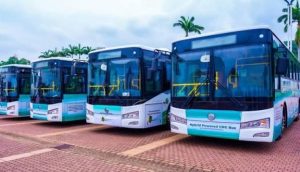
He revealed that the state government had already partnered with private investors and energy companies to expand gas and electric mobility infrastructure across Kano.
Several companies, including Greenville LNG and other energy firms, were acknowledged for establishing major gas infrastructure projects in the state.
“Kano offers one of the largest consumer markets not only in Nigeria but in Sub-Saharan Africa. We have a vibrant transportation ecosystem, strategic road connections, and a youthful population ready to learn and work,” the governor said.
He further explained that the initiative would create employment opportunities in vehicle conversion, refueling infrastructure, technical maintenance, logistics, assembly plants, and manufacturing.
“Many youths in Kano are already being trained in vehicle conversion and technical maintenance related to this ecosystem. This sector will open new doors for employment, entrepreneurship, and skills development for thousands of young men and women,” he said.
The governor reaffirmed Kano State’s commitment to supporting investors and maintaining an enabling environment for businesses to thrive.
“Kano State remains open for business. We are ready to continue working with the Federal Government and genuine private investors willing to partner with us in building this sector,” he assured.
The event marked a significant milestone in Nigeria’s transition toward cleaner, more affordable, and sustainable transportation systems, with Kano positioned as a major hub for the northern region.

 and Electric Vehicles (EVs)....)