
Stakeholders have called for the rapid implementation of gas-led industrialisation in Nigeria, saying it is vital for sustainable economic growth, employment generation, and long-term prosperity.
They made the call in Ilorin, Kwara State, during the 4th Annual Distinguished Lecture of the Nigerian Society of Engineers (NSE), held alongside a book presentation and activities marking the 80th birthday of veteran engineer, Yusuf Sagaya.
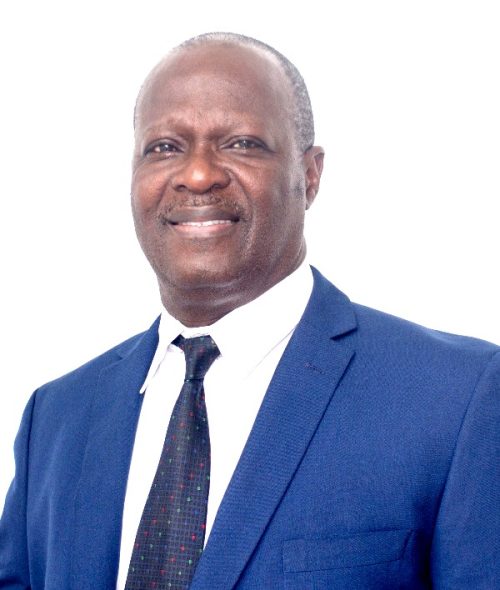
Delivering the keynote lecture, former Group Managing Director of the Nigerian National Petroleum Corporation (NNPC), Daniel Kunle, said Nigeria must move beyond merely possessing vast hydrocarbon resources and focus on converting them into productive economic assets through technology, infrastructure and industrial development.
According to him, “hydrocarbons only generate real wealth when they are developed and transformed into products, industries and jobs that drive economic growth.”
“Oil beneath the ground is not wealth. Gas trapped underground is not wealth. They only become wealth when they are discovered, developed and converted into economic value,” Kunle stated.
He noted that Nigeria’s estimated 210 trillion cubic feet of proven gas reserves present a major opportunity for industrial transformation, particularly in power generation, petrochemicals, fertiliser production and manufacturing.
Kunle stressed that expanding gas infrastructure including pipelines, processing facilities and distribution networks, would be essential to unlocking the sector’s full economic potential and stimulating industrial activity across the country.
He cited major private-sector investments such as the Dangote Refinery and Petrochemical Complex as evidence of how downstream infrastructure can boost industrial output, create jobs and reduce reliance on imports.
The former NNPC boss also called for policy consistency, increased exploration, stronger private-sector participation and greater investment in science, technology, engineering and mathematics (STEM) education to build the skilled workforce required for industrial growth.
He maintained that the true measure of national success lies not in the volume of natural resources available, but in the value created from them. “The real measure of success will be what we build from what we have,” he said.
Also speaking, the founder and Chief Executive Officer of Overland Airways, Captain Edward Boyo, highlighted the wider economic benefits of gas development, noting that improved gas utilisation could strengthen energy reliability, enhance transportation efficiency and support productivity across key sectors.

Engineering expert, Raphael Awoseyin, in a presentation titled “Nigeria’s Hydrocarbon Wealth: Discovery, Development and the Question of Public Benefit,” urged the country to prioritise value addition through gas-based industries, petrochemicals, fertiliser production and manufacturing clusters capable of generating employment and boosting exports.
Economic growth
He identified the Nigeria Liquefied Natural Gas (NLNG) project as a successful example of effective resource management and pointed to Nigeria’s cement industry as proof that targeted industrial policies can stimulate local production and economic growth.
Awoseyin stressed that gas remains central to Nigeria’s competitiveness, particularly in electricity generation, agricultural productivity and downstream manufacturing.
The event also celebrated the contributions of Yusuf Lanre Sagaya to engineering, entrepreneurship and philanthropy.
Representing Kwara State Governor AbdulRahman AbdulRazaq, the Commissioner for Education and Human Capital Development, Dr Lawal Olohungbebe, described Sagaya as a symbol of professionalism and a strong advocate of human capital development.
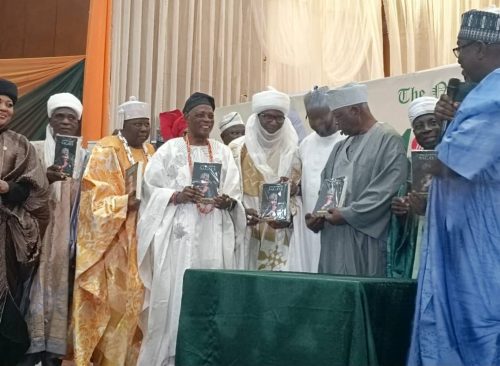
The Olubadan of Ibadan, Oba Rashidi Adewolu Ladoja, commended the celebrant for his enduring contributions to engineering and community development.
The gathering attracted engineers, academics, industry leaders and traditional rulers, who collectively agreed that deepening gas utilisation, expanding industrial infrastructure and strengthening value addition remain vital to Nigeria’s economic transformation.