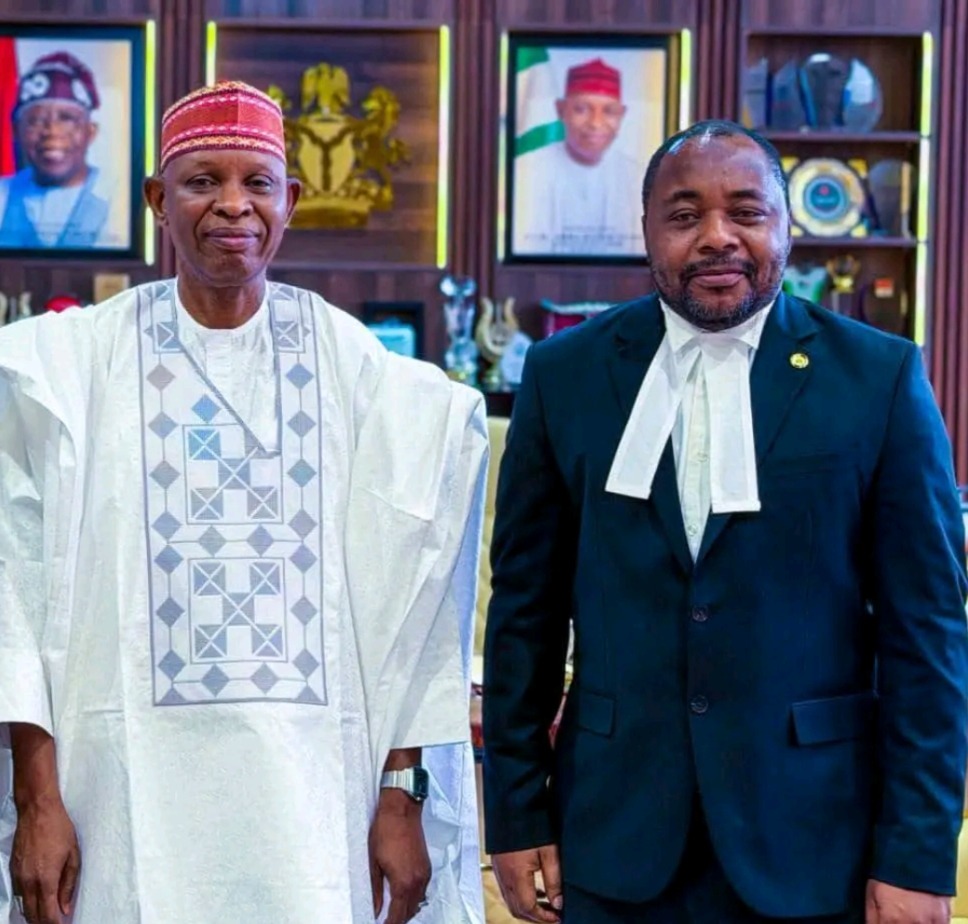
Kano State Governor Abba Kabir Yusuf has inaugurated a Special Task Force on Drug Abuse and Illicit Trafficking as part of a renewed effort to combat the rising menace of substance abuse and drug-related crimes across the state.
The development was announced in a statement issued by the governor’s spokesperson, Sunusi Bature Dawakin Tofa, who said the initiative underscores the administration’s commitment to protecting youths and strengthening public safety.
The governor appointed Barrister Muhuyi Magaji Rimingado, the immediate past Executive Chairman of the Kano State Public Complaints and Anti-Corruption Commission, as chairman of the multi-agency task force.
The committee comprises representatives from key security agencies, health institutions, traditional and religious bodies, as well as civil society organisations.
Among its members are officials from the National Drug Law Enforcement Agency (NDLEA), Department of State Services (DSS), Nigeria Police Force, Nigeria Security and Civil Defence Corps (NSCDC), Nigeria Customs Service, Nigeria Immigration Service, Kano State Hisbah Board, the Kano Emirate Council, and the Council of Ulama.
According to the statement, the task force was established to provide a coordinated framework for disrupting illicit drug networks, accelerating the prosecution of offenders, and reducing drug demand through sustained advocacy and public enlightenment campaigns.
Its mandate includes strengthening intelligence gathering and information sharing among security agencies, identifying and dismantling drug trafficking syndicates, creating secure communication channels for intelligence operations, and encouraging community participation through confidential reporting mechanisms.
The committee is also expected to identify major drug distribution hubs across the state, facilitate targeted raids and arrests, and recommend the seizure of assets linked to drug trafficking activities.
To improve the administration of justice, the task force will work on mechanisms to ensure speedy prosecution of suspects through enhanced evidence gathering, standardized forensic procedures, and collaboration with the judiciary to establish fast-track courts for drug-related cases.
Beyond enforcement, the committee has been charged with leading public awareness campaigns targeting students, youths, and other vulnerable groups.
It will also organise community engagement programmes, partner with religious and traditional leaders, and promote rehabilitation and support services for individuals affected by substance abuse.
Governor Yusuf described drug abuse as one of the gravest threats confronting the future of young people, stressing that his administration would deploy all available resources to tackle the challenge through enforcement, prevention, and community involvement.
He urged members of the task force to carry out their responsibilities with dedication, professionalism, and patriotism, noting that the success of the initiative is crucial to securing a safer and healthier future for Kano State.
The task force is expected to commence operations immediately as the state intensifies efforts to curb drug abuse and illicit trafficking.