

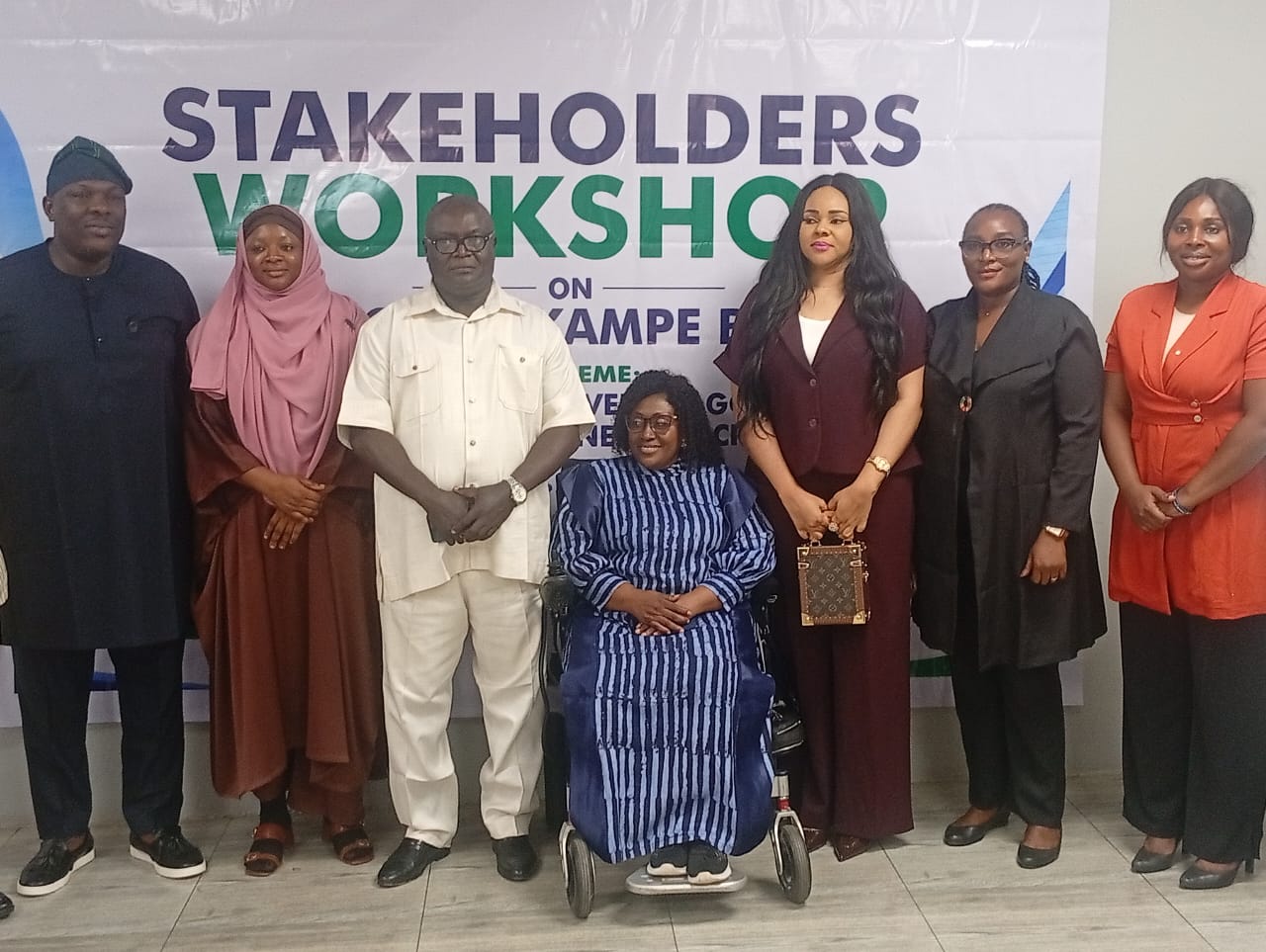
The Federal Government has reaffirmed its commitment to expanding access to quality, affordable and inclusive healthcare for vulnerable Nigerians, including pregnant women, children, older persons, persons with disabilities (PWDs) and people living in rural communities.
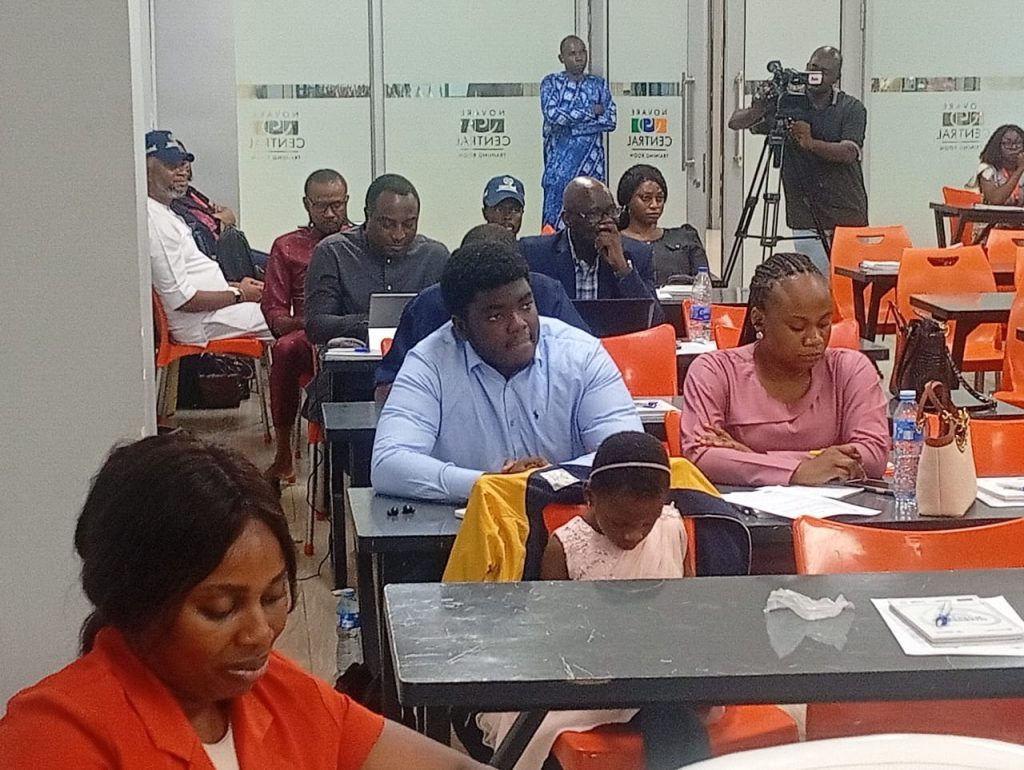
The assurance was given by the Coordinating Minister of Health and Social Welfare, Professor Muhammad Ali Pate, at a stakeholders’ workshop on Project Kampe Bodi, organised by Social Politics, Policy and Governance. The workshop focused on improving service delivery in government hospitals for vulnerable groups.
Represented by the Director of Special Budget, Dr Nse Akpan, the minister said the initiative supports President Bola Ahmed Tinubu’s Renewed Hope Agenda and the Health Sector Renewal Investment Initiative, both aimed at expanding access to quality healthcare and advancing Universal Health Coverage.
Professor Pate said the government is broadening health insurance coverage for poor and vulnerable Nigerians to reduce the financial burden of medical care.
He added that efforts are ongoing to revitalise primary healthcare centres, upgrade federal medical centres and teaching hospitals, strengthen diagnostic services and improve the country’s health workforce.
“We must develop Nigeria’s health value chain by producing medicines, vaccines, diagnostics, medical consumables and hospital equipment locally,” he said.
The minister urged stakeholders to develop practical recommendations that would improve patient experience, strengthen transparency and accountability, expand access to healthcare and promote more efficient hospital management.
“Quality healthcare must be compassionate, timely, affordable and centred on the needs of patients if we are to restore public confidence in the health system,” he added.
Also speaking, Information Officer in the Office of the Senior Special Assistant to the President on Special Needs and Equal Opportunities, Patience Daniel, called for stronger measures to make public hospitals more accessible and inclusive for persons with disabilities and other vulnerable groups.
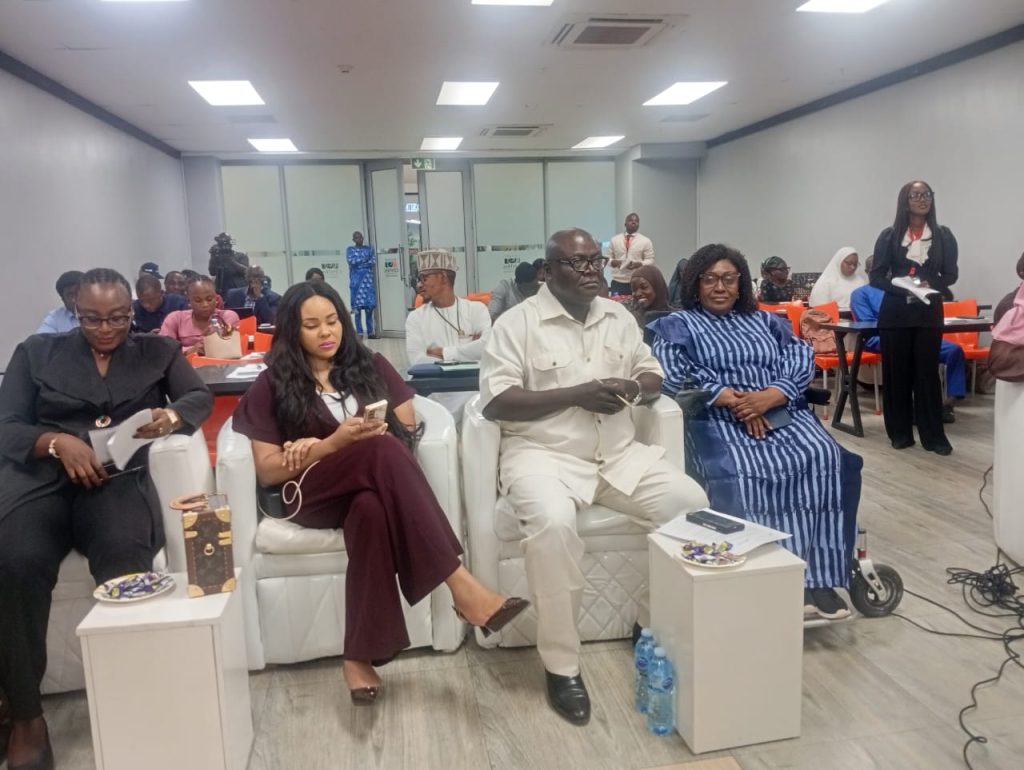
She identified inaccessible hospital infrastructure, communication barriers, inadequate medical equipment and limited assistive technologies as some of the major obstacles preventing persons with disabilities from accessing quality healthcare.
Daniel advocated disability-friendly infrastructure, accessible medical equipment, sign language interpretation services, inclusive health information and better training for healthcare workers.
She stressed that healthcare is a fundamental human right and that hospital facilities should comply with national accessibility standards to ensure equal access for everyone.
Founder and Board Member of FACICP Disability Plus, Ms. Ekaete Umoh, said her organisation is collaborating with Project Kampe Bodi to promote health equity and improve healthcare access for persons with disabilities.
She noted that the initiative also seeks to amplify the healthcare needs of women and girls with disabilities, particularly in maternal and reproductive health services.
“Quality healthcare should never be determined by a person’s disability or economic status. Everyone deserves equal access to healthcare services,” Umoh said.
Strengthening Healthcare Lead at BudgIT, Dr Biobele Davidson, described the engagement as a demonstration of the collective resolve to build a healthcare system that is equitable, accountable and responsive to the needs of all Nigerians.
She emphasised the importance of citizen participation in healthcare governance, noting that community engagement and digital technology can help identify service delivery gaps, strengthen accountability and improve public trust in the health sector.
Davidson expressed confidence that the initiative would contribute to ensuring that every Nigerian, regardless of age, gender, disability or socio-economic background, can access quality healthcare with dignity, fairness and respect.

 and people living in rural communities.)