Policymakers, diplomats, development partners, academics and media professionals have called for the adaptation of lessons from China’s poverty reduction experience to Nigeria’s socio-economic realities.
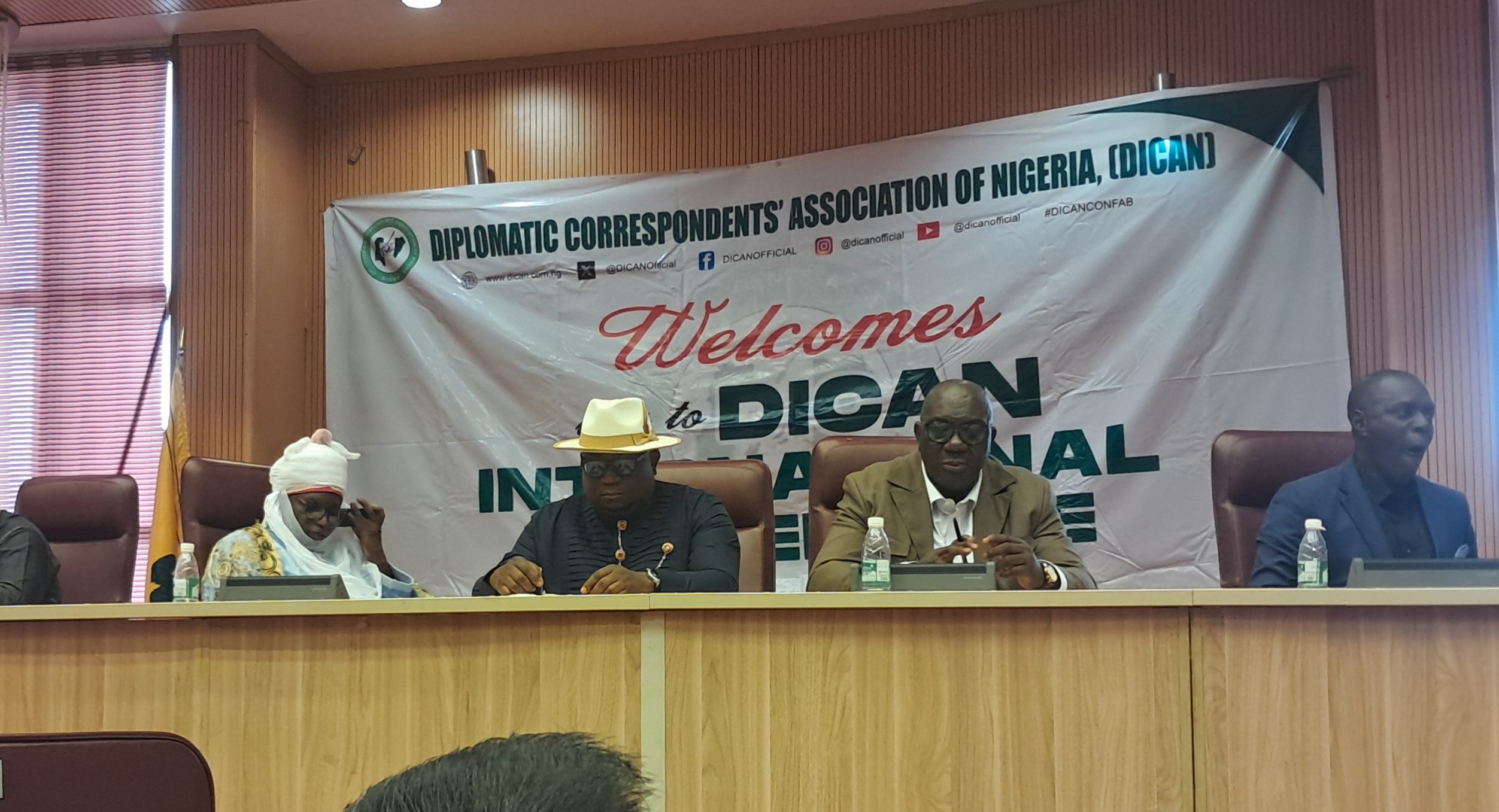
The call was made at a high-level workshop in Abuja themed, “Nigeria’s Poverty Alleviation Efforts: Adopting China Models and Its Relevance in a New Era – The Place of Policymakers, Development Partners, Stakeholders and Diplomatic Reporters.” Organised by the Diplomatic Correspondents’ Association of Nigeria, DICAN.
In his welcome address, DICAN Chairman, Mr. Frederick Idehai said China’s experience provided useful lessons but should not be copied wholesale. He stressed that “adaptation rather than direct replication is key to achieving meaningful impact” in Nigeria.
Idehai also urged stronger Nigeria-China media cooperation, including expanded fellowships, media exchanges and technical journalism training, while calling for greater access to information on Chinese investments and corporate social responsibility activities in Nigeria.
Representing the Chinese Embassy, the Economic and Commercial Counsellor, Mr. Xuekun Sun, highlighted China’s achievement in lifting more than 800 million people out of poverty since 1978.
READ ALSO: Poverty Alleviation: Charity Organisation Supports Nigerians with N5bn
He identified strong national leadership, targeted poverty alleviation, sustainable economic development and a people-centred approach as major pillars of China’s success, stressing that “poverty is, in essence, a development issue, and development is the most effective way to eliminate it.”
Sun said China’s experience demonstrates the importance of accurate identification of vulnerable populations, tailored assistance, accountability and continuous monitoring to prevent people from falling back into poverty.
Presenting a paper on China’s political economy and governance mechanism, Provost of the Anti-Corruption Academy of Nigeria, Prof. Sheriff Ghali, highlighted sustained economic growth, targeted household-level interventions, infrastructure development and strict accountability as key drivers of China’s poverty reduction.
He noted that China’s approach “moved away from broad regional aid to precise, household-level digital profiling” while emphasizing development-oriented relief that builds people’s capacity for self-reliance rather than permanent welfare dependency.
Also speaking, media scholar and public affairs analyst, Dr. Austin Maho, said the media has a critical responsibility to evaluate and contextualise international development models before presenting them to the Nigerian public.
According to him, “models cannot be imported wholesale. They must be evaluated, communicated, and contextualised.” He urged diplomatic correspondents to move beyond reporting official announcements to tracking whether development projects deliver tangible benefits to citizens.
Maho further warned that Nigeria’s rapid population growth makes poverty reduction an urgent national priority, arguing that “propaganda cannot fill empty stomachs” and that the media must hold policymakers accountable while reporting poverty through citizens’ lived experiences.
In his goodwill message, the Permanent Secretary, Ministry of Foreign Affairs, Ambassador Dunoma Ahmed, represented by the immediate past Spokesperson of the Ministry, Kimiebi Ebienfa, said Nigeria could draw valuable lessons from China in long-term planning, infrastructure-led growth and targeted poverty reduction, while recognising the country’s unique institutional and democratic context.
He stressed that “every country’s path must be shaped by its unique institutions, social fabric and values,” adding that Nigeria should focus on adapting relevant elements of the Chinese model to strengthen agriculture, social protection, public-private partnerships and human capital development.
The workshop brought together stakeholders to examine how lessons from China’s poverty reduction experience could inform Nigeria’s development strategies while ensuring that any adopted measures are tailored to the country’s peculiar circumstances.