
The Chairman of the Policy Innovation Centre (PIC), Mr Udeme Ufot, has called for stronger collaboration among government, the private sector, civil society and other stakeholders to ensure innovations deliver measurable improvements for underserved communities.
Ufot made the call at the 2026 Gender Inclusion Summit in Abuja, themed “From Agenda to Actions: Making Innovations Count for the Last Mile”.
He said Nigeria and Africa had made progress in policy development and the testing of new solutions, but persistent implementation gaps continued to limit the impact of such innovations on citizens.
Ufot stressed that innovation must go beyond promising ideas to practical solutions that strengthen institutions, expand opportunities, improve health outcomes and enhance service delivery.
“The last mile is therefore not simply a question of geographical distance. It is the difference between policy and lived experience; between innovation and access; and between commitment and meaningful change,” he said.
READ ALSO:Nigeria Urges Gender Inclusion in Global Energy Transition
He identified women and girls in underserved communities, young people, persons with disabilities and rural populations as groups requiring greater attention in policy design and implementation.
Ufot urged participants to connect community knowledge with collective action, translate evidence into measurable outcomes and move “from dialogue to action and from action to accountability”.
The Chairperson of the Nigeria Governors’ Wives Forum (NGWF), Professor Olufolake AbdulRazaq, called for increased representation of women in decision-making spaces, saying gender inclusion was critical to sustainable development.
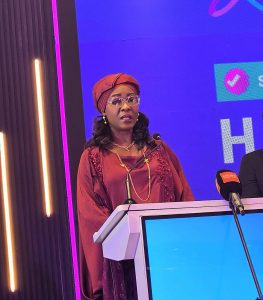
She said significant gaps persisted in education, healthcare, employment, poverty reduction, political representation and digital access.
“Significant gender gaps still exist, limiting the full potential of individuals and society. These statistical realities speak to the need for long-term change in all aspects of gender equality and inclusion,” she said.
AbdulRazaq highlighted interventions by governors’ wives, including vocational training, start-up grants, scholarships, healthcare initiatives and campaigns against gender-based violence.
Representing the UK Foreign, Commonwealth and Development Office (FCDO), Cynthia Rowe said the challenge was no longer a lack of commitments, policies or ideas, but ensuring that they translated into tangible improvements in people’s lives.
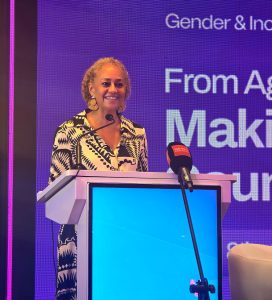
She called for stronger action against gender-based violence and greater participation of women in peacebuilding and decision-making.
“Peace lasts longer if women are involved,” Rowe said, stressing that gender equality and security were mutually reinforcing.
She said achieving last-mile inclusion required reaching women and girls in remote communities and dismantling social barriers to participation and economic independence.
Rowe said the summit should produce practical, measurable, adequately resourced and accountable commitments that place women and girls at the centre of Nigeria’s development outcomes.