Nigeria has reaffirmed its commitment to a foreign policy anchored on national interest, strategic autonomy and stronger partnerships with the international community.
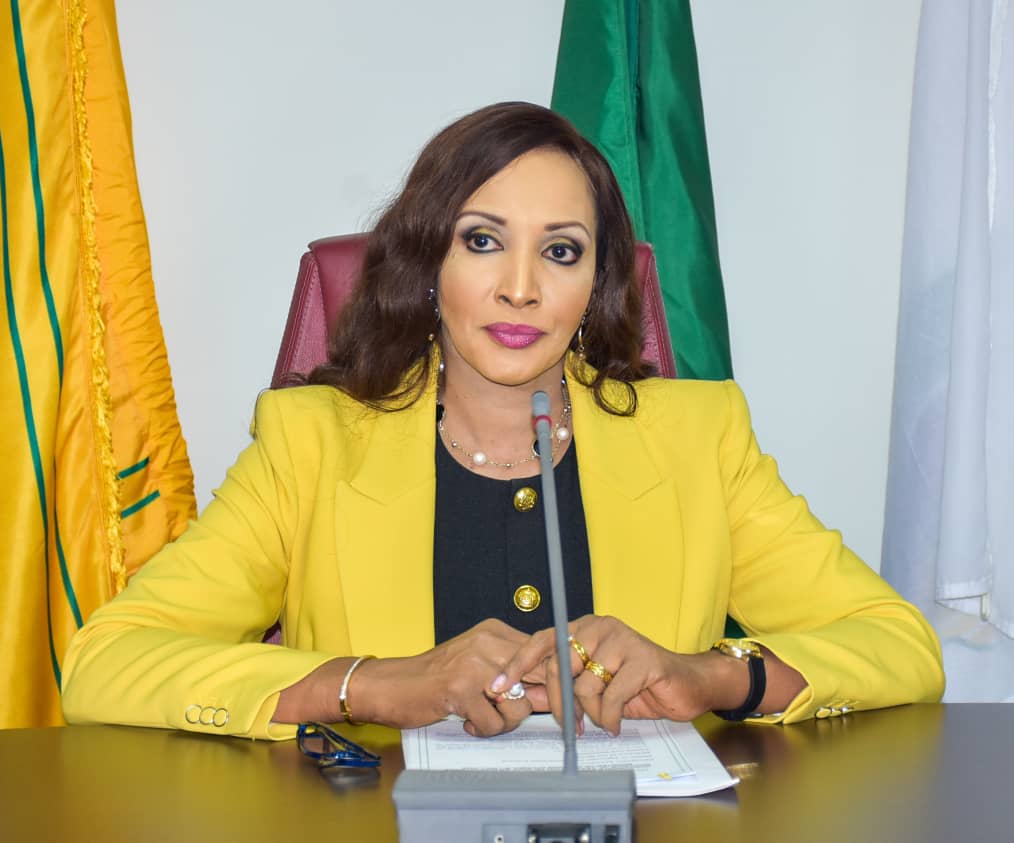
Minister of Foreign Affairs, Ambassador Bianca Odumegwu-Ojukwu, made the affirmation while briefing members of the Diplomatic Corps at the Ministry of Foreign Affairs, in Abuja.
The briefing, her first formal engagement with the Diplomatic Corps since assuming office as Foreign Affairs Minister, focused on Nigeria’s foreign policy direction, bilateral relations, diplomatic channels, consular services, security and preparations for the 2027 general elections.
Reiterating the administration of President Bola Tinubu’s foreign policy built around the Four Ds – Demography, Development, Democracy and Diaspora, Odumegwu-Ojukwu explained that the policy seeks to harness Nigeria’s youthful population through education, technology, innovation, entrepreneurship and skills development, while placing economic diplomacy at the centre of international engagement.
According to her, “the Development pillar focuses on trade, investment, infrastructure, agriculture, energy and technology, while Democracy reflects Nigeria’s commitment to constitutional governance, strong institutions and peaceful resolution of political differences.”
Odumegwu-Ojukwu said that “the Diaspora pillar recognises Nigerians abroad as important partners in investment, knowledge transfer and national development.”
The Minister said the policy was “Nigeria centred, Africa conscious and globally engaged,” stressing that the country would remain committed to its neighbours, ECOWAS and Africa while engaging constructively with the wider international community.
On strategic autonomy, she said Nigeria would maintain friendly relations with all countries while ensuring that its international partnerships were guided by national interest, mutual respect, reciprocity and international obligations.
“Strategic autonomy does not mean isolation; it means preserving Nigeria’s sovereign right to determine the relationships and positions that best serve our people,” Odumegwu-Ojukwu stated.
The Minister also called for the revitalisation of dormant Joint Commissions and Bi-national Commissions between Nigeria and other countries, saying “diplomatic goodwill must translate into concrete benefits for citizens.”
Investment, Security
Odumegwu-Ojukwu said the mechanisms would be used to advance cooperation in trade, investment, security, education, technology, health and agriculture.
She further reminded diplomatic missions that the Ministry of Foreign Affairs remains the official channel of communication between foreign missions and the Nigerian Government.
The Minister urged missions to route official communications and requests to the Presidency, ministries, departments and agencies through the Ministry to ensure proper coordination, consistency and effective follow-up.
“The Ministry is not an obstacle between you and the Nigerian Government; we are your bridge to the Nigerian Government,” Odumegwu-Ojukwu said.
On diplomatic and consular services, the Minister pledged greater efficiency in responding to Notes Verbales, authentication and legalisation requests, while urging diplomatic missions to review visa processes for Nigerian applicants.
She noted that excessively long visa waiting periods could create difficulties for legitimate travellers, students, business people and families, and called for greater efficiency, transparency and responsiveness.
The Minister also assured members of the Diplomatic Corps that the safety and wellbeing of foreign diplomats and their families remained a priority for the Nigerian Government.
Odumegwu-Ojukwu said Nigeria remained committed to its obligations under the Vienna Conventions and encouraged missions to promptly report security concerns to the Ministry.
On cultural diplomacy, she said Nigeria would continue to promote cultural and social engagements, citing the Diplomatic Bazaar as an example of how cultural exchange could strengthen friendship and understanding between countries.
The Minister said; “Nigeria remained open to trade, investment, tourism, technology, knowledge-sharing and other meaningful partnerships,” stressing the importance of reciprocity, sovereign equality and mutual respect.
Odumegwu-Ojukwu also reaffirmed Nigeria’s commitment to dialogue, multilateralism and peaceful resolution of disputes, saying “the country would continue to play active roles in ECOWAS, the African Union, the United Nations, the Commonwealth and other international institutions.”
She stressed that Nigeria would continue to advocate for greater African participation in shaping global decisions.
On the 2027 general elections, the Minister urged diplomatic missions and international organisations to remain guided in their engagements with Nigeria.
Odumegwu-Ojukwu said the Government was committed to democracy and to delivering elections that would be peaceful, free, fair and credible.
“As the 2027 General Elections draw near, the Ministry of Foreign Affairs would request that Missions remain guided,” she said,.
The Minister stated that Nigeria would not accept “unguarded comments, disparaging remarks, or unsolicited lectures on democracy” from countries or international organisations.
Odumegwu-Ojukwu said the Ministry would continue to engage the Diplomatic Corps through dialogue, established diplomatic channels and mutual respect.
She explained that the success of Nigeria’s diplomatic relationships should be measured by the progress achieved for citizens, investments facilitated, opportunities created, challenges resolved and friendships strengthened.
“Nigeria remains a willing, capable and strategic partner,” the Minister said.
She reaffirmed the President Tinubu administration’s commitment to a foreign policy that places Nigerians at its centre while maintaining the country’s responsibility to Africa and constructive engagement with the wider world.