The National Commission for Colleges of Education (NCCE) has commenced the implementation of its dual-mandate programme, with plans to produce 200,000 skilled and digitally certified teachers annually across Nigeria.
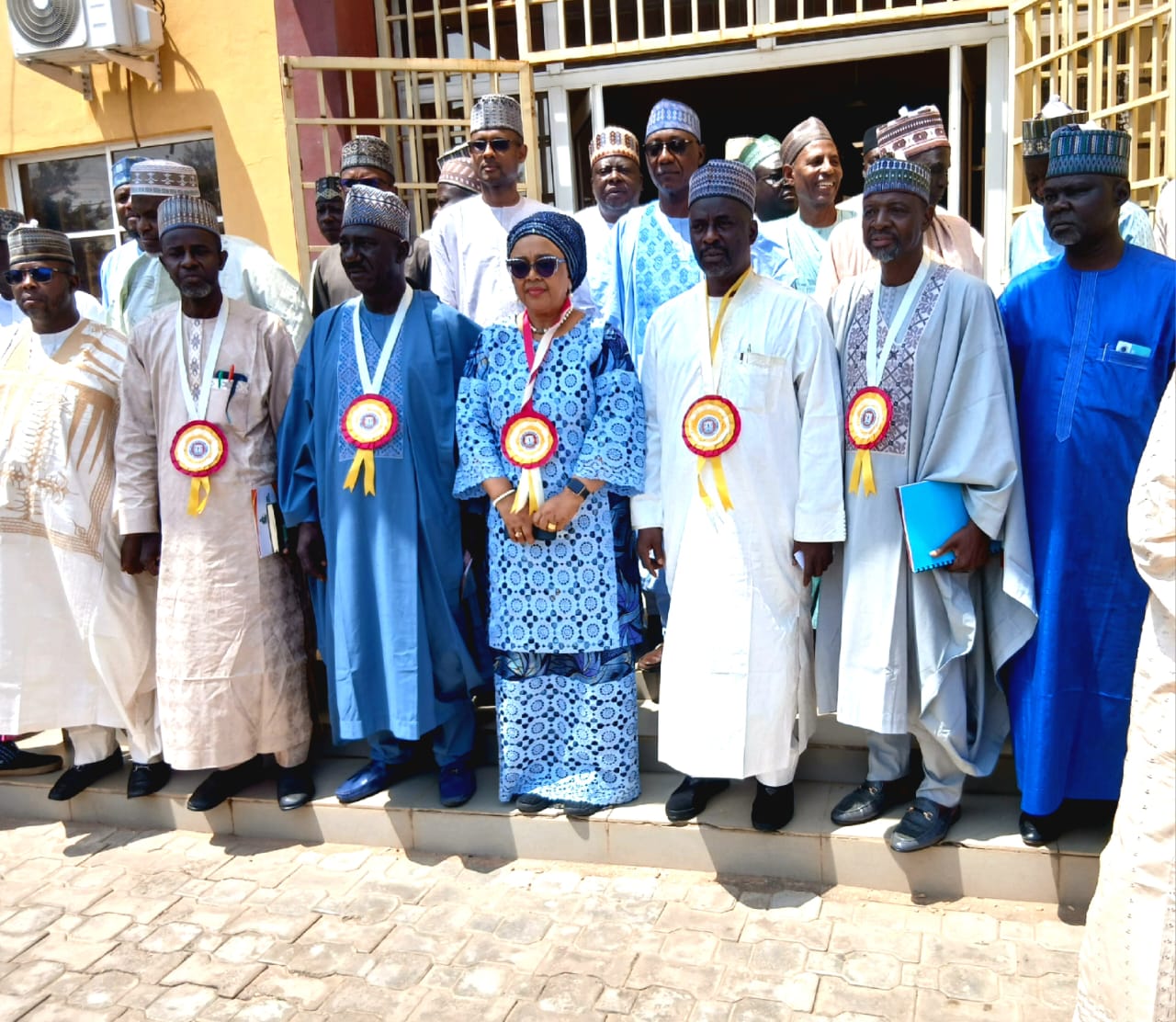
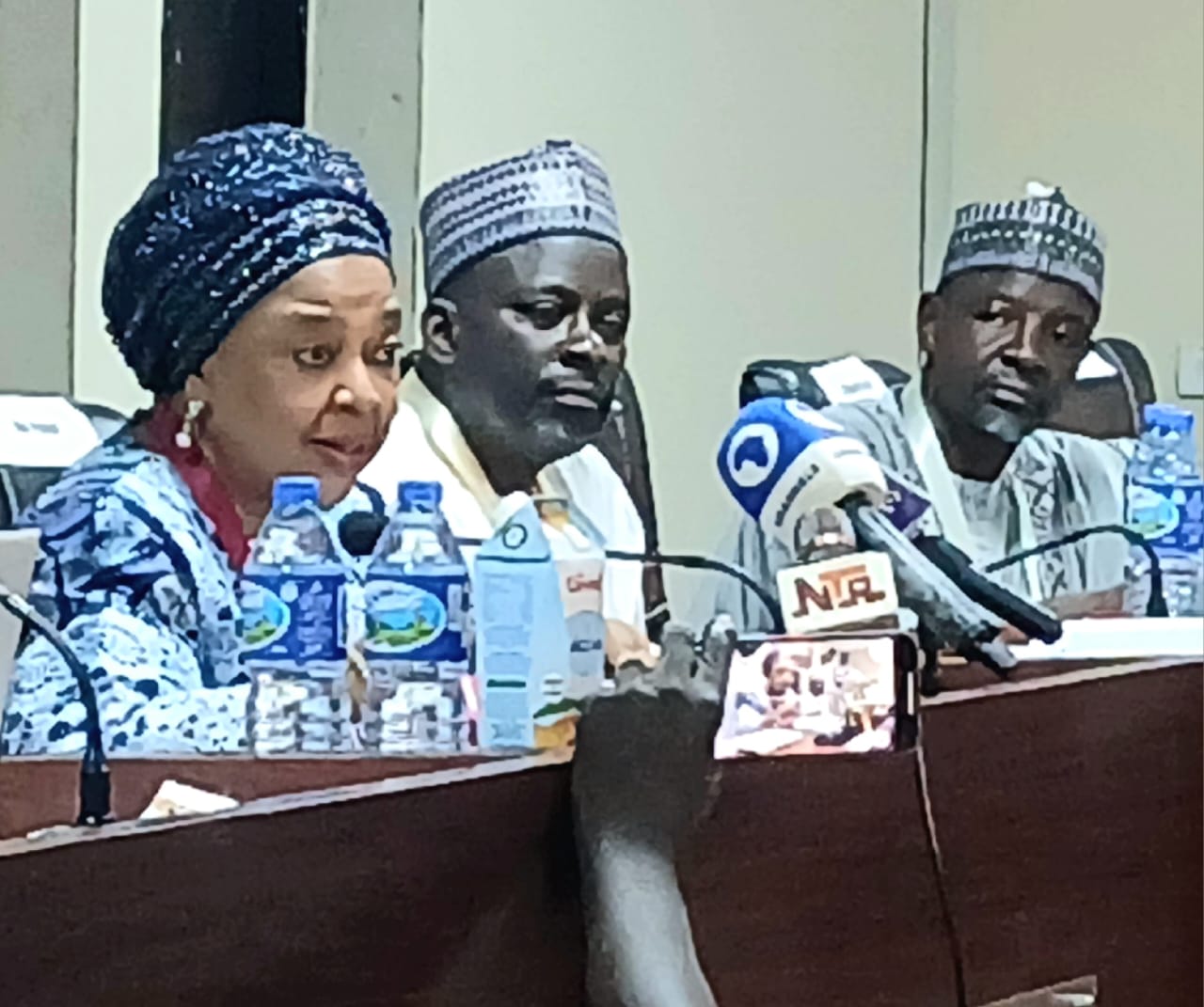
The Executive Secretary of the NCCE, Dr Angela Ajala, said this in Gombe, during a workshop for provosts of colleges of education in the North-East zone, where she said the commission was engaging stakeholders on the implementation of the new teacher education framework.
Dr. Ajala said the commission was touring the various geopolitical zones to identify their peculiar challenges and ensure that colleges were adequately prepared for the implementation of the dual mandate.
According to her, the new system would enable students in colleges of education to obtain multiple qualifications, including the National Certificate in Education (NCE), a Bachelor of Arts (BA) degree and a skills certificate.
READ ALSO: TRCN Warns Teachers, Applicants Against Fake Portals
“Teacher education is not what it used to be; it has now changed. You enter a college of education now and get three certificates. You have an NCE, you get a BA, and you get a skill certificate,” she said.
Economic Resilience
Dr. Ajala explained that the addition of a skills component was designed to strengthen the economic resilience of teachers and equip them with entrepreneurial abilities beyond classroom teaching.
She said the initiative was intended to ensure that graduates could become economically productive even when they were not immediately employed as teachers.
“We believe that if you have teachers that are skilled in a particular professional trade, it will build their economic resilience. So whether they get a job as a teacher or not, they will never go hungry,” Dr. Ajala said.
She added that the new approach was aimed at producing teachers capable of identifying and solving problems in their communities rather than relying solely on white-collar employment.
According to the NCCE boss, implementation of the dual mandate officially commenced in September 2026, with further activities to be rolled out across colleges of education.
She expressed the expectation that the programme would contribute to national development by producing teachers equipped to address challenges in their communities.
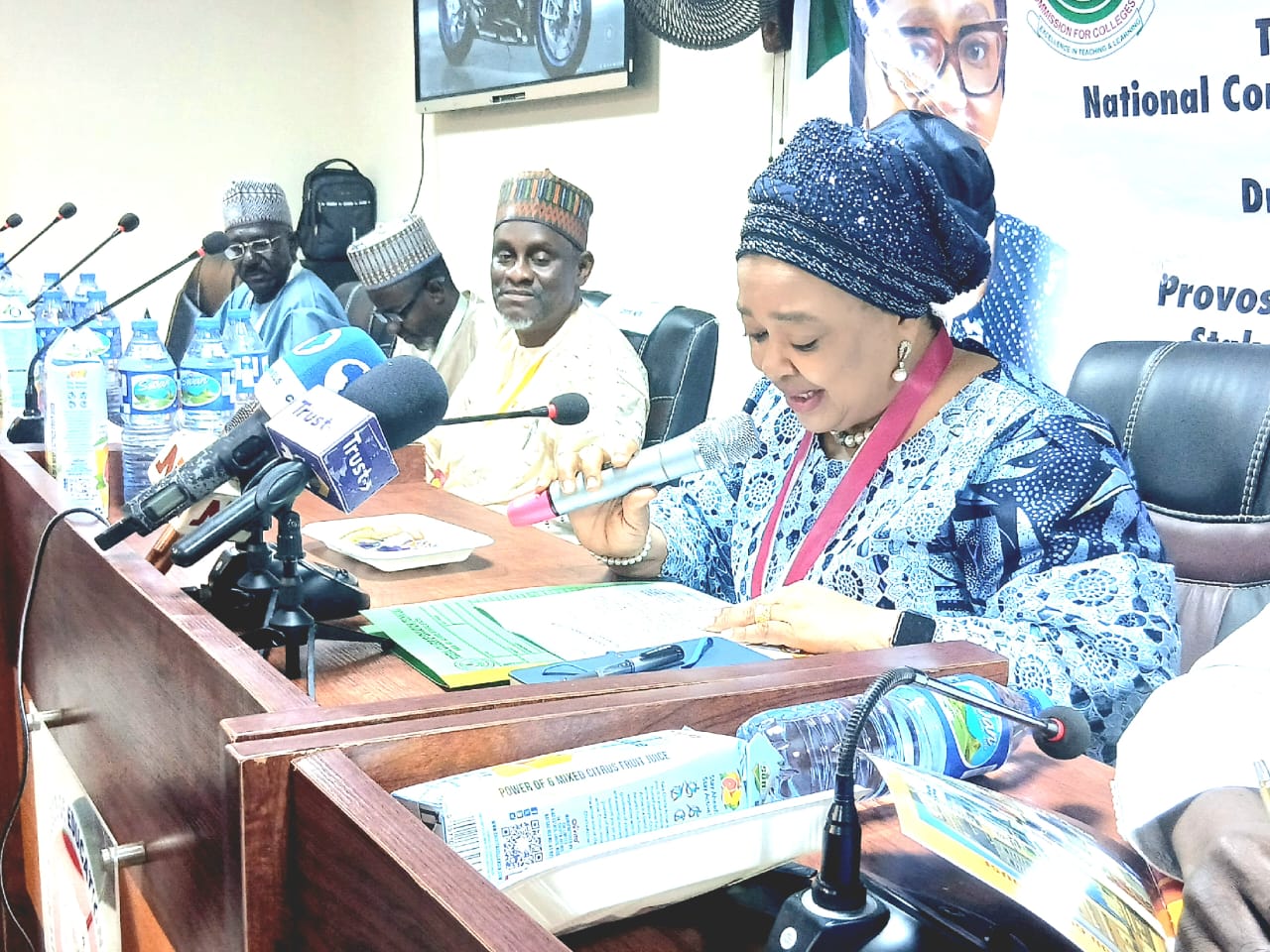
Dr. Ajala also announced the Teach Nigeria Forward campaign, which she said was designed to draw attention to the transformation taking place in the college of education system and support the recruitment of 200,000 teachers annually.
She said the target would translate into one million skilled and digitally certified teachers over five years.
“Because when we start that, which means in the next five years we have one million teachers that are skilled, digitally certified and are able to give back to their communities and their various states,” she said.
More Employable
Dr Ajala expressed confidence that teachers would adapt to the new system, describing the reforms as an opportunity to make graduates more employable and self-reliant.
“You don’t need to wait for [someone] to employ you. Don’t wait for the state government to employ you. You are employable on your own after this,” she said.
She said the immediate next step following the North-East workshop would be the commencement of train-the-trainers workshops across the colleges of education.
“These are going to happen across all the colleges for the implementation of the dual-mandate curriculum,” Dr. Ajala said.
Repositioning Teacher
The Provost of the Federal College of Education-Technical, Gombe, Dr Mohammed Abdul-Hamid Ghazali, described the meeting between the Executive Secretary of the National Commission for Colleges of Education (NCCE) and provosts from institutions across Nigeria’s North-East as a significant step towards repositioning teacher education and skills development in the region.
Dr. Ghazali said the engagement was focused on the dual mandate and the renewed TEACH Accord, as well as the opportunities and challenges associated with implementing the initiative across colleges of education.
According to him, the meeting would provide an opportunity for institutional leaders to identify the challenges facing the programme and engage with the Executive Secretary on possible solutions.
He said a committee was expected to be constituted at the end of the engagement to facilitate the implementation of the resolutions reached by colleges of education in the North-East.
Dr Ghazali explained that the dual mandate could help address declining enrolment in colleges of education, which he attributed partly to growing scepticism among prospective students about the value of the NCE programme.
Under the new arrangement, he said, students would be positioned to graduate with three qualifications, which are the Nigeria Certificate in Education (NCE), a degree certificate and a globally recognised skills certificate.
“This means that even without securing a white-collar job, you have a skill to lean on and work with. At the end of the day, you may even become an employer of labour,” he said.
The Provost also stressed the importance of practical skills in addressing everyday challenges and improving employability, saying, as a technical college, the institution already understood the need to connect education with practical applications, pointing to everyday examples such as electricity, furniture and other technical infrastructure.
Dr Ghazali said the skills component of the dual mandate placed greater emphasis on practical training than theoretical instruction.
“The practical aspect is more than the theoretical aspect,” Dr Ghazali explained, explaining that the objective is to ensure that students acquire skills they can apply beyond the classroom.
Significant Investment
He, however, acknowledged that the successful implementation of the programme would require significant investment in teaching equipment and facilities.
He said the College of Education Technical, Gombe, already had many of the tools required for technical training and that additional equipment would still be needed for areas such as woodwork, metalwork and automobile mechanics.
“These are very capital-intensive projects,” he said, noting that providing the necessary equipment could require hundreds of millions of naira.
Dr Ghazali said the issue of funding was therefore expected to form part of the discussions with the NCCE leadership, disclosing that the Executive Secretary is seeking collaboration with the Tertiary Education Trust Fund (TETFund) to explore the possibility of providing a take-off grant to support institutions implementing the dual mandate.
He expressed hope that such support would enable colleges of education to acquire the necessary tools and infrastructure and turn the objectives of the dual mandate into practical reality for students across the Northeast.