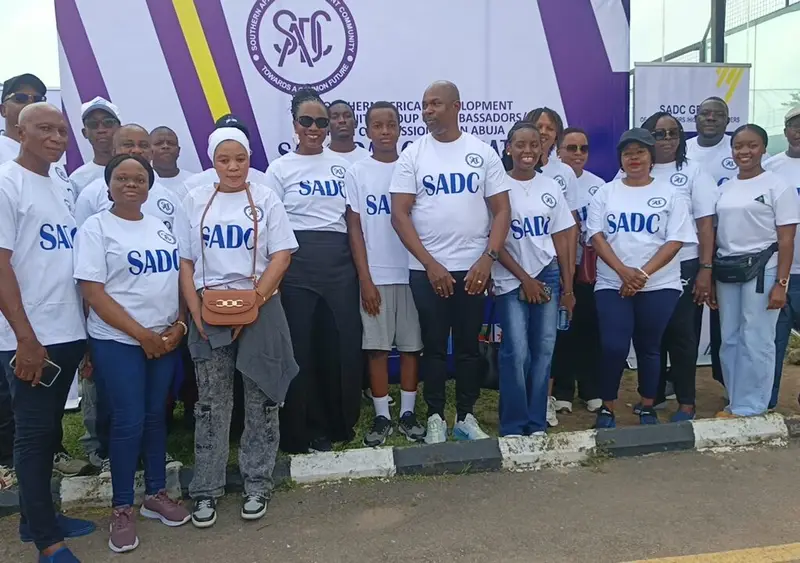
South African Deputy High Commissioner, Lindi Mminele, has called for stronger cooperation between Nigeria and Southern African countries, stressing that the continent’s shared history, cultural connections, and commitment to development should serve as a foundation for deeper regional integration and shared prosperity.
Mminele made the call in Abuja while speaking on behalf of the Southern African Development Community (SADC) Group of Ambassadors at the celebration of SADC Day.
According to the envoy, Nigeria’s historic support for Southern African countries during their struggles against colonialism and apartheid remains an important pillar of relations between the two regions.
“Nigeria’s support, contribution, and hospitality transcend the past to the present, and we are assured of a shared future,” she said.
The Envoy called for the preservation of these historical bonds through stronger regional cooperation and a common commitment to development.
While also emphasising the cultural and social connections among African countries, citing shared borders, languages, traditions, cultural practices, and intermarriage as evidence of the continent’s common identity.
“As Africans, the African continent is our home. Therefore, we are one big, expansive family. The connections among SADC member states have gone beyond diplomatic relations, reflecting shared experiences and common aspirations. In SADC as a region, at regional level, we share borders, we speak the same languages, we have the same sayings, we share the same cultures, we intermarry; therefore, we are family,” she said.

The envoy urged African countries to build on these common bonds to deepen cooperation and implement development programmes that improve citizens’ welfare.
She maintained that the success of regional integration should ultimately be measured by its impact on people and communities rather than diplomatic agreements alone.
“Africa’s ambition to achieve unity and sustainable development required countries to move beyond diplomatic engagements and translate their historical relationships into practical initiatives capable of improving the lives of their citizens,” she noted.
She said Africa’s quest for a united and prosperous continent must be driven by meaningful cooperation, people-centred policies and development initiatives that deliver tangible benefits to families and communities.
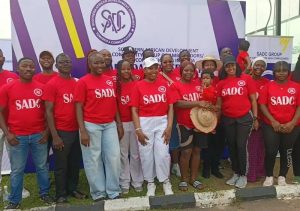
“Regional integration must go beyond agreements between governments to address the everyday needs of citizens. Allow me to say families are the foundation from which we will build the Africa we want,” she said.
The Envoy argued that development policies and regional frameworks would have little value if they failed to improve the living conditions of ordinary people.
“If it does not benefit or make sense to families, it is a futile exercise and a labour in vain. Regional development instruments, including the SADC Integrated Strategic Development Plan and Vision 2050, should be assessed by their ability to transform lives and deliver measurable results for citizens,” she said.
According to her, strong families provide the foundation for stable and economically viable countries, which are necessary for building resilient regional organisations and advancing continental integration.
Mminele urged African governments and development stakeholders to place family welfare at the centre of policymaking, insisting that development initiatives must translate into practical improvements in household living standards.
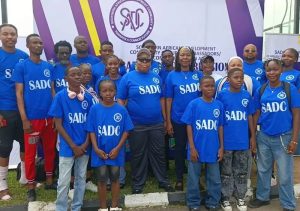
SADC comprises 16 member states, eight of which are represented in Nigeria.
The countries are Angola, Botswana, the Democratic Republic of the Congo, Namibia, Tanzania, South Africa, Zambia and Zimbabwe.
SADC Day celebration provides an opportunity for member states to reflect on their shared identity, celebrate regional unity and renewed commitment to integration and sustainable development.