


Nigeria is intensifying efforts to attract climate finance, boost green investments and create jobs as it prepares for the 31st United Nations Climate Change Conference (COP31), scheduled to take place in Antalya, Türkiye.
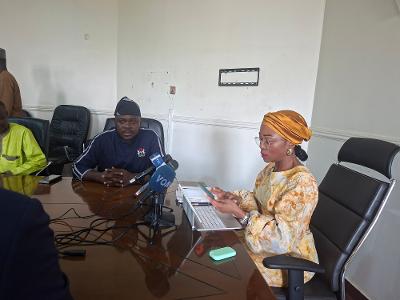
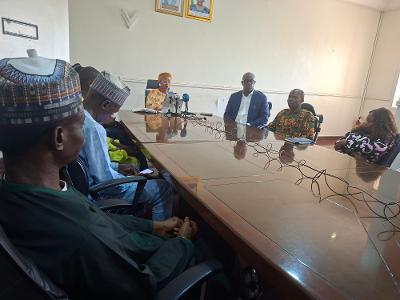
The Director-General of the National Council on Climate Change (NCCC), Mrs Tenioye Majekodunmi, disclosed this at a pre-COP31 press conference in Abuja, where she outlined Nigeria’s priorities ahead of the global climate summit.
Speaking on the theme, “Nigeria at COP31: From Commitment to Implementation,” she said the country was moving beyond climate pledges to strengthen institutional capacity, establish policy certainty, attract investments and build partnerships capable of delivering measurable results.
READ ALSO: Media to Drive Climate Accountability, Gender Inclusion Before COP31
She stressed that Nigeria’s participation would focus on translating climate commitments into practical development outcomes, stating that climate action should be measured not only by emissions reductions but also by its economic benefits to citizens.
Majekodunmi identified policy consistency, credible institutions, bankable projects and predictable regulations as critical factors for attracting private investment into Nigeria’s climate and energy transition sectors.
According to her, investors require confidence in the policy and institutional environment before committing long-term capital to climate-related projects.
“Capital follows certainty,” she said, explaining that Nigeria must use COP31 to showcase viable projects and investment opportunities to development partners and private-sector investors.”
She outlined what she described as the four Ds of climate finance and implementation: “Dollars, Deals, Deliveries and Dividends. Under this approach, climate finance commitments must translate into actual funding, which should support viable projects that deliver tangible results, generate employment and improve incomes for Nigerians,” she said.
The NCCC Director-General also said Nigeria’s negotiators had been identifying their positions, potential areas of compromise and red lines to ensure the country enters negotiations with a clear strategy for advancing its national interests.
She noted that the council had sustained its Structured Mentorship Programme and introduced the Nigeria Climate Negotiator Network and a Digital Resource Repository to preserve institutional knowledge and strengthen negotiation capacity beyond COP31.
Majekodunmi emphasised that climate negotiations were critical processes through which countries influence international rules, secure opportunities and defend their development priorities.
Annual Media Training Programme
To complement preparations by negotiators, Majekodunmi announced the launch of the NCCC Annual Media Training Programme to equip journalists with the knowledge required to report climate issues accurately and explain their implications to the public.
She said the programme would strengthen media capacity to cover climate change, climate finance, energy transition and the economic opportunities associated with climate action.
According to her, “climate reporting should extend beyond environmental impacts and emissions to include carbon markets, adaptation, green industrialisation, jobs and investment opportunities.”
She noted that the media had a critical role in translating complex international negotiations and policy decisions into accessible information that Nigerians could understand and use.
The Senior Special Assistant to the President on Climate Change Matters, Mr Yussuf Kelani, urged journalists to ensure accurate, consistent and comprehensive reporting of Nigeria’s participation in international climate negotiations.
He called on media practitioners to work closely with the NCCC to provide precise information on climate negotiations, energy transition, loss and damage funding, gender issues and other important areas.
Kelani also stressed the need to communicate climate information in languages local communities could understand, noting that climate change affected everyone regardless of political affiliation, ethnicity or language.
Meanwhile, the NCCC Assistant Director, Mr Okebugwu Chukwuemeka, said Nigeria was strengthening its capacity to participate effectively in Sustainable Development Goals (SDGs) processes and COP negotiations.
He noted that the country was improving its engagement on critical climate issues, including adaptation, mitigation and just transition.
Chukwuemeka added that Nigeria was strengthening its contributions to regional climate negotiations through platforms such as the Economic Community of West African States (ECOWAS), ensuring that national priorities were adequately represented in regional and international discussions.

