The Anambra State AIDS Control Agency (ANSACA) has moved to strengthen grassroots HIV prevention and care by repositioning Local Action Committee on AIDS (LACA) structures and integrating them more closely with the HIV/AIDS Awareness Brigade (HAB) across the state’s 21 Local Government Areas.
The move includes plans to establish a 1,693-member Ward HIV/AIDS Brigade to expand HIV awareness, prevention, testing, referrals and linkage to care at the community level.
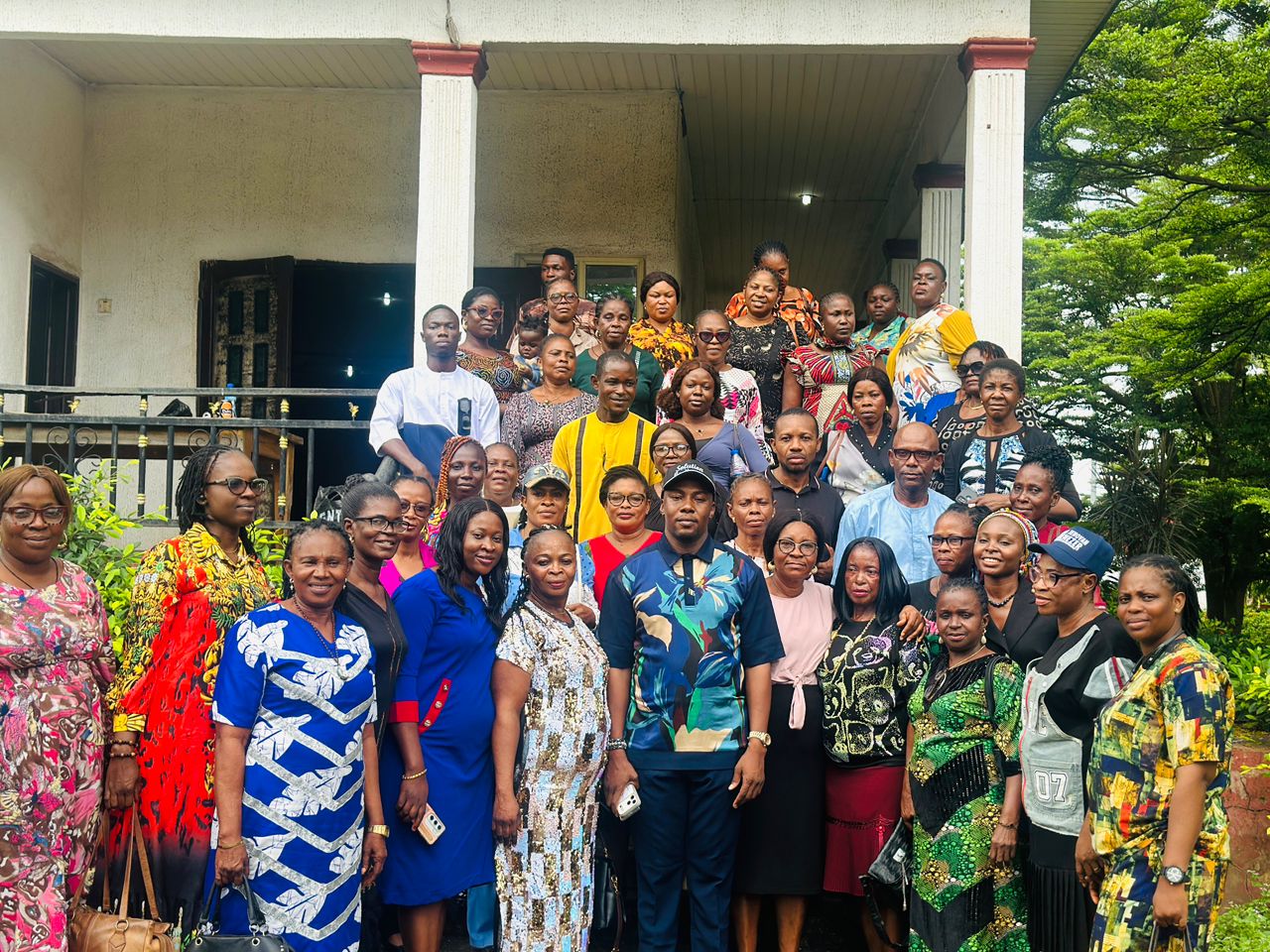
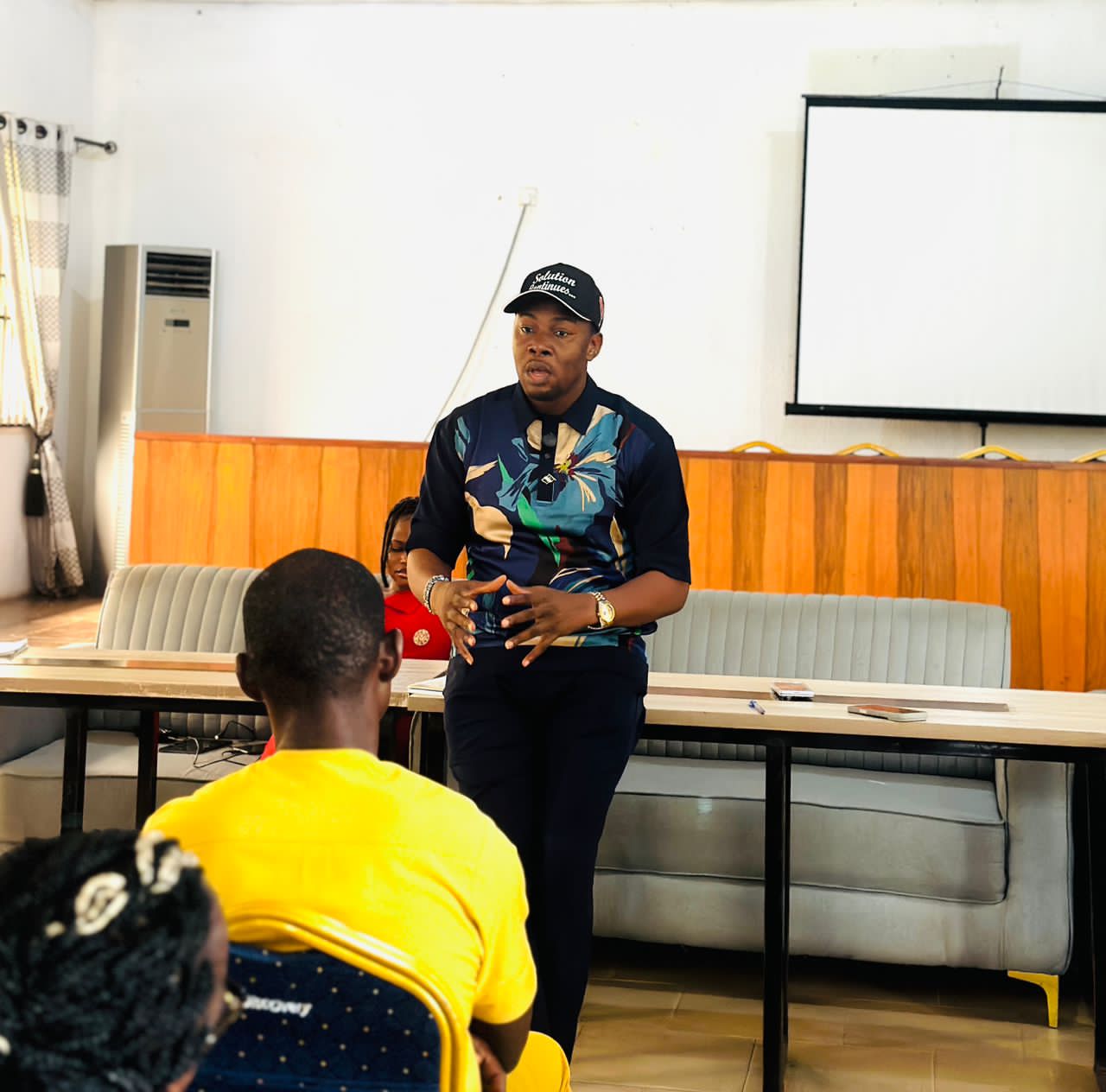
The Executive Director/Project Manager of ANSACA, Dr Nkem Okeke, disclosed this during a strategic engagement with LACA managers and HAB coordinators in Awka, according to a statement by the agency’s Public Relations Officer, Obianuju Isima.
READ ALSO: Anambra First Lady Empowers Women Living With HIV
Okeke said the proposed structure would take the HIV response beyond state and local government institutions into communities, while improving coordination among LACA, HAB and other grassroots structures.
He described LACA as an important mechanism for coordinating HIV interventions at the local government level, but said the structures needed to be revitalised to effectively deliver on their mandate.
“Our goal is to revive LACA and build a functional synergy between LACA and HAB.
We want a coordinated structure from the state to the LGA, wards and communities, with people who understand their responsibilities and can deliver measurable results,” the Executive Director/Project Manager explained.
Okeke said ANSACA would increasingly assess its grassroots structures based on performance and measurable impact rather than positions or titles.
“We reward value; we don’t reward titles and positions. Every responsibility must translate to results for the people and communities we serve,” he emphasised.
The Executive Director/Project Manager explained that although ANSACA provides strategic direction and coordination at the state level, effective implementation of HIV programmes ultimately takes place within Local Government Areas, wards and communities.
He also stressed the need to strengthen the link between community-based HIV awareness and the formal health system, particularly by ensuring that people who test positive are promptly referred, linked to treatment and retained in care.
“When you discover someone who is HIV positive, your responsibility does not end there. You must ensure that the person is linked to care, followed up and supported to remain in care,” he said.
During the engagement, LACA managers and HAB coordinators identified operational challenges affecting grassroots implementation, while Okeke assured them that the agency would work towards practical measures to address the challenges.
He said the 1,693 Ward Brigaders, working alongside LACA, HAB and other community structures, would form a key component of the agency’s strategy to extend reliable HIV information and services to communities and strengthen referral systems across Anambra.
Okeke reaffirmed ANSACA’s commitment to developing a sustainable, community-driven HIV response in line with the administration’s goal of achieving zero new HIV infections in Anambra by 2030.
He said the effectiveness of the state’s HIV response would ultimately be measured by its impact at the grassroots, including the number of people reached with accurate information, those who know their HIV status and how effectively people who test positive are linked to and retained in care.