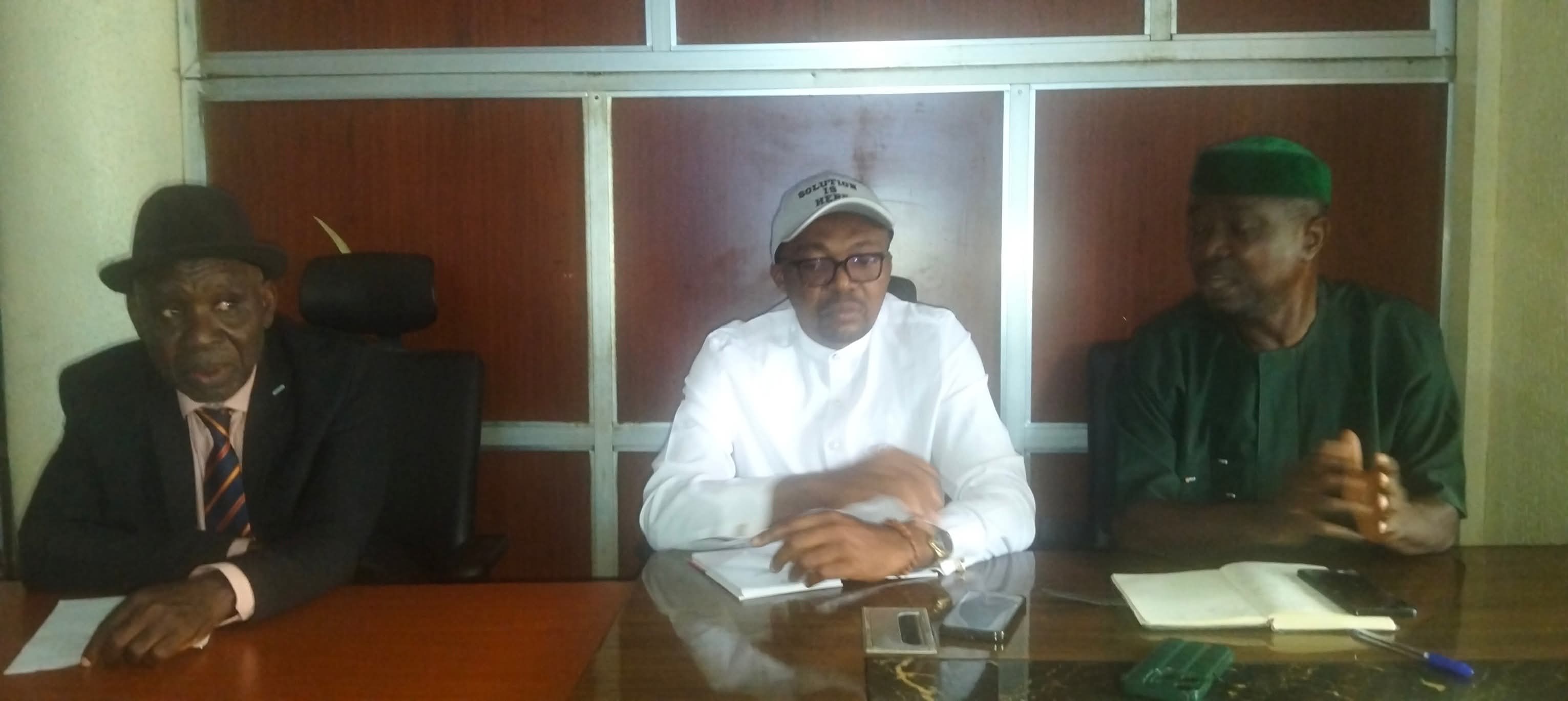
The Anambra State Government has inaugurated a Technical Working Group on Eye, Ear and Sensory Functions Health as part of efforts to strengthen prevention, early diagnosis and treatment of sensory-related health conditions across the state.
The Commissioner for Health, Dr Afam Obidike, who represented the State Governor, inaugurated the committee in Awka.
Obidike described the initiative as a strategic step towards improving access to quality eye, ear and other sensory healthcare services.
He reaffirmed the state government’s commitment to strengthening the healthcare system through collaborative initiatives that promote quality and accessible healthcare for residents.
Obidike said the Technical Working Group would provide a coordinated framework for planning, implementing and monitoring interventions aimed at enhancing sensory healthcare delivery and reducing preventable vision and hearing impairments.
He urged members of the technical group to develop a comprehensive and data-driven strategic plan that would support the state’s Annual Operational Plan, stressing that “reliable information was essential for effective healthcare planning and decision-making.’
“Healthcare interventions must be guided by accurate data. The committee must translate available information into practical actions that will improve the health outcomes of our people,” he said.
The Commissioner noted that a significant proportion of blindness cases can be prevented or treated through early detection and timely medical intervention.
He also urged the committee to give greater attention to hearing disorders and other sensory conditions, saying “improved data collection would enable government to understand the scale of the challenges and design appropriate responses.”

Obidike assured the committee of the Ministry of Health’s full support and urged members to collaborate with civil society organisations, development partners and other relevant stakeholders to strengthen sensory healthcare delivery across the state.
The State Programme Manager for Eye, Ear and Sensory Functions Health, Dr. Chioma Ezeonyeka, said the programme under the Department of Public Health coordinates interventions targeted at reducing preventable visual and hearing disabilities.
She identified cataracts, glaucoma and untreated refractive errors as major causes of blindness, stressing that sensory impairments affect education, communication, productivity and overall quality of life.
Ezeonyeka said that glaucoma screening conducted across health facilities in the state identified 118 cases, while previous eye health outreaches screened 1,528 people and provided reading glasses to 1,102 beneficiaries.
She added that the 2026 Annual Operational Plan would include free eye and ear screening exercises, spectacle distribution, glaucoma awareness campaigns, cataract surgeries for 100 patients and training of primary healthcare workers on early identification and referral of eye conditions.
Speaking on the initiative, Professor Sebastian Nwosu called for wider stakeholder involvement in promoting sensory health awareness, noting that social scientists, communication experts and creative professionals could help improve public understanding and utilisation of available services.
He also advocated community-supported models to complement government efforts, citing local initiatives that have helped provide cataract surgeries for vulnerable residents.
Nwosu stressed the need for transparency and accountability in healthcare programmes to attract donor support and maintain public confidence.