A coalition of Nigerian, African and international civil society organisations has raised concerns over what it describes as an increasing legislative push that could restrict civic freedoms, warning that several bills before the National Assembly may expand executive powers and undermine democratic governance ahead of the 2027 general elections.
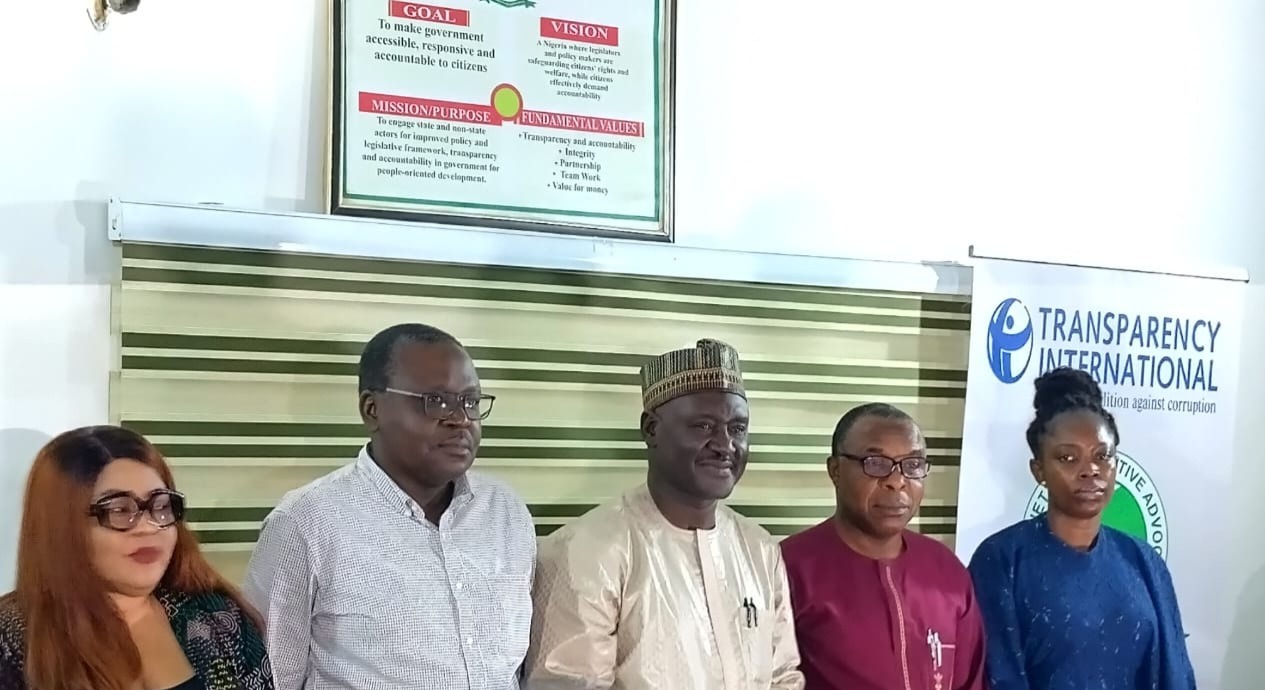
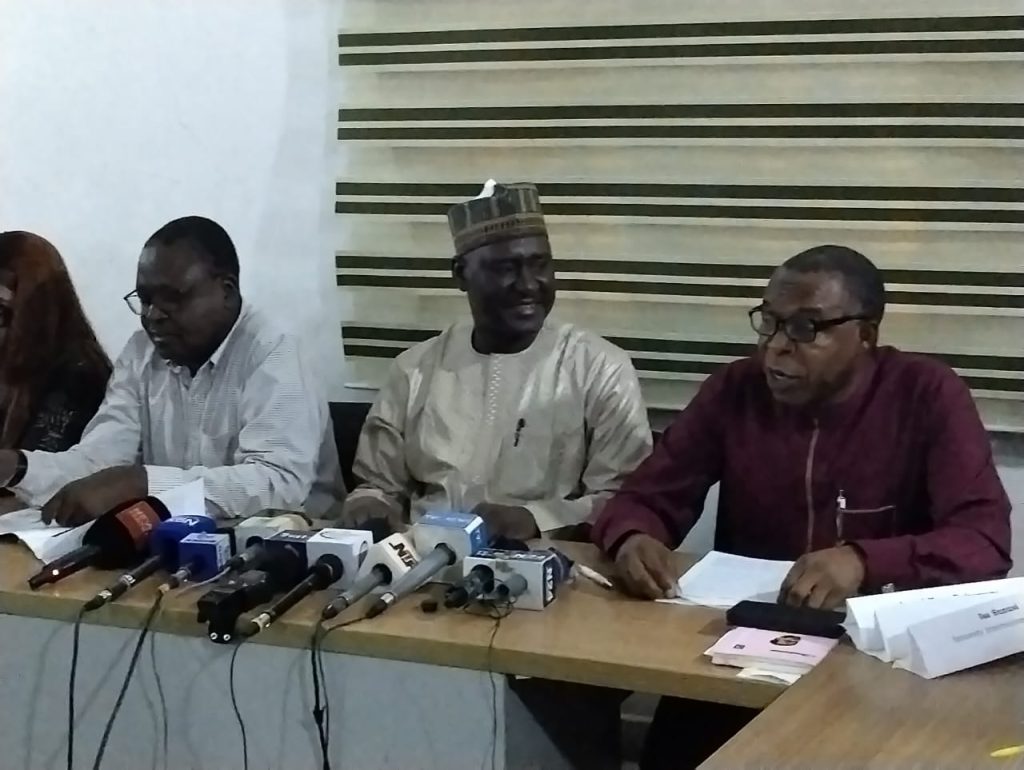
The concerns were expressed during a joint press briefing in Abuja by representatives of the coalition, including the Executive Director of the Civil Society Legislative Advocacy Centre (CISLAC), Awwal Musa Rafsanjani; Director of the Centre for Democracy and Development (CDD), Dauda Garuba; Chief Executive Officer of Triple C, Lydia Odeh; and the Country Director of Amnesty International Nigeria, Isa Sanusi.The coalition said it was speaking on behalf of about 90 civil society organisations from Nigeria, across Africa and the international community.
The coalition said it was speaking on behalf of about 90 civil society organisations from Nigeria, across Africa and the international community.
The organisations called on members of the National Assembly to withdraw the proposed Foreign Aid (Regulation, Transparency and Disclosure) Bill, 2026 (SB.1034), the bill seeking to require social media companies to establish physical offices in Nigeria, and other legislative proposals they believe could threaten constitutionally guaranteed freedoms.
According to the coalition, the proposed legislation comes at a time when Nigeria’s civic space is already under increasing pressure. It argued that the bills, if passed into law, could further limit the rights to freedom of expression, peaceful assembly, association, media freedom, access to information and democratic participation.
Speaking on behalf of the coalition, Rafsanjani expressed concern over what he described as a growing number of restrictive bills currently before the National Assembly.
He said the proposed laws could significantly increase executive control over civic activities and weaken constitutional safeguards protecting freedom of expression, peaceful assembly, association, media independence and the rule of law.
The coalition maintained that the legislative proposals should not be viewed as isolated initiatives but as part of a broader trend that could weaken democratic institutions.
It warned that, rather than fostering an environment that encourages citizens, journalists, civil society organisations and political actors to participate freely in governance, the measures could create fear, encourage self-censorship and reduce tolerance for dissenting views.
Rafsanjani stressed that independent advocacy, investigative journalism and public accountability are essential pillars of democratic governance and should be protected.
A key concern raised by the coalition was the proposed Foreign Aid (Regulation, Transparency and Disclosure) Bill, which it said would establish a regulatory body with powers to monitor, sanction, suspend or shut down organisations receiving international funding.
The organisations argued that although the bill is presented as a transparency measure, it could give the government broad powers over independent civil society organisations.
The coalition also expressed concern over the timing of the proposed legislation, noting that Nigeria is preparing for the 2027 general elections. It warned that any laws capable of restricting civic participation or limiting democratic freedoms could negatively affect the country’s electoral environment.
The organisations called on lawmakers to prioritise legislation that strengthens democratic institutions, protects fundamental rights and promotes transparency, accountability and inclusive governance.