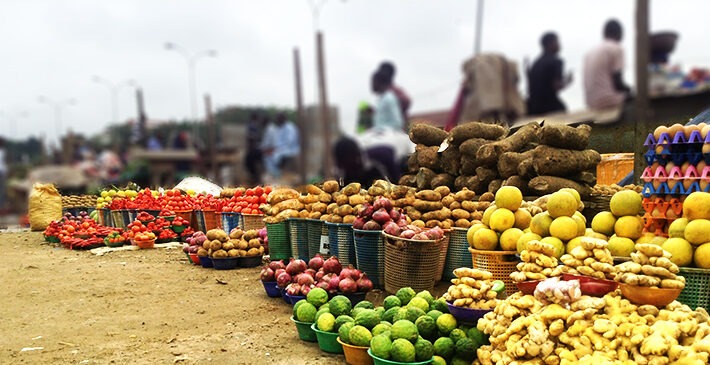
Food is essential for human survival. Yet, for millions of people across the world, securing the next meal remains a daily struggle. From conflict-ravaged regions to communities battling climate change, rising food prices, and economic hardship, hunger continues to threaten lives, livelihoods, and global stability.
This crisis underscores the urgency of achieving the United Nations Sustainable Development Goal Two, which seeks to end hunger, improve nutrition, and promote sustainable agriculture by 2030.
As the world’s population grows, the question is no longer just how to produce more food, but how to ensure that everyone has access to safe, nutritious, and affordable meals.
It is against this backdrop that the global community commemorates World Food Day under the theme: “Innovate Today. Nourish Tomorrow,” to highlight the importance of technology, sustainable farming, and innovative solutions in building resilient food systems for present and future generations.
This global call to action is particularly significant for Nigeria, where food security remains a pressing national concern. Insecurity in farming communities, high production costs, inadequate agricultural inputs, poor rural infrastructure, and massive post-harvest losses continue to undermine food production and affordability.
Furthermore, inadequate storage and preservation facilities contribute significantly to food waste, wiping out the hard work of rural farmers.
In a bid to address these structural challenges, the Federal Government, through the Renewed Hope National Agricultural Mechanisation Programme, has deployed tractors and modern equipment to expand access to commercial farming.
In the same vein, the National Agricultural Development Fund has trained tractor operators and mechanics to sustain this agricultural mechanisation through proper equipment maintenance. Alongside these efforts, the government is promoting improved agricultural inputs, extension services, and rural infrastructure.
Crucially, the Special Agro-Industrial Processing Zones program is attracting private investment, improving local food processing, and creating jobs. This is supported by the National Agrifood System Strategy and Action Plan for 2026 to 2035, which aims to strengthen productivity and build climate-resilient food systems, while the National Multi-Sectoral Plan of Action for Food and Nutrition provides a framework for tackling malnutrition.
However, for Nigeria to achieve true food security, in addition to ongoing efforts, farmers need enhanced security to access their farmlands. They require affordable credit, improved seedlings, year-round irrigation, reliable electricity, accessible rural roads to reach markets, and modern cold-storage facilities. For it to become a reality, there should be stronger partnerships among the government, private investors, research institutions, and farming communities.
Ultimately, to achieve food security, effective implementation, sustained investment, and strict accountability are needed to increase agricultural output, eliminate food waste, and make nutritious food affordable for the average Nigerian.
Nigeria must look beyond survival; it must strengthen its agricultural economy and enforce these strategies so that the nation can build a resilient future and ensure that no citizen is left hungry.