The Nigerian Government has approved the National Nutrition Bill 2026 and the revised National Policy on Food and Nutrition.
The approvals are part of efforts to improve the nutritional well-being of Nigerians and address the prevalence of stunting among children.
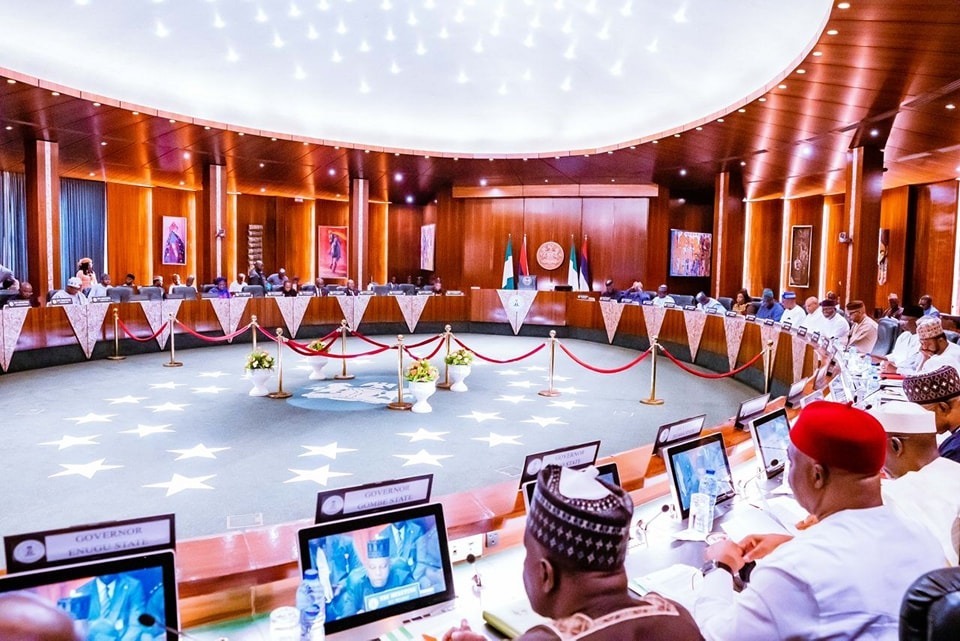
The Minister of State for Budget and Economic Planning, Dr Doris Uzoka-Anite, disclosed this while briefing State House correspondents following the Federal Executive Council (FEC) meeting presided over by President Bola Tinubu at the State House, Abuja.
Uzoka-Anite explained that the two policy documents were developed through extensive consultations and collaboration involving the Office of the Vice President, relevant ministries overseeing budget and economic planning, agriculture, livestock development, education and health, alongside the private sector, National Assembly and development partners.
READ ALSO: Nigeria’s Strategic Policies to Strengthen Food Security
She noted that the documents establish a comprehensive framework for strengthening governance, improving institutional coordination and ensuring effective implementation of food and nutrition interventions nationwide.
According to her, the initiatives are also designed to establish sustainable funding mechanisms for nutrition programmes, deepen inter-agency cooperation and reinforce transparency and accountability among key stakeholders.
“Both documents were designed to improve the human capital development of all Nigerians, and especially reduce stunting in children,” the minister said.
Uzoka-Anite further disclosed that the National Nutrition Bill 2026, an executive-sponsored legislation, would be forwarded to the National Assembly for legislative consideration.
She explained that the proposed legislation formed part of the Nigerian Government’s broader commitment to improving the health and well-being of Nigerians while building a healthier and more productive population.
FG Unveils Five-Year Development Plan
The minister also mentioned that the National Development Plan 2026–2030 was presented at the 32nd Nigerian Economic Summit, held in Abuja from October 26 to 28, where it secured the endorsement of private-sector stakeholders.
She explained that the summit serves as a platform for collaboration between the Federal Government, through the Ministry of Budget and Economic Planning, and the Nigerian Economic Summit Group, aimed at advancing economic reforms and sustainable national development.
Uzoka-Anite noted that Vice President Kashim Shettima represented President Bola Tinubu at the summit.
According to her, the National Development Plan outlines the government’s strategic priorities for realising Nigeria’s ambition of becoming a $1 trillion economy, with emphasis on employment generation, increased productivity and inclusive economic prosperity.
“The National Development Plan is a statutory document that lays out a framework for achieving the $1 trillion economy through job creation, productivity, and shared prosperity,” she stated.
The minister explained that the summit provided an opportunity to engage private-sector leaders on the development priorities outlined in the plan and secure their support for its implementation.
She further noted that the food and nutrition policy and proposed legislation were products of extensive collaboration among government institutions and relevant stakeholders, designed to strengthen institutional coordination, improve funding arrangements and enhance the delivery of nutrition programmes across the country.