


The Federal Capital Territory Administration (FCTA) has intensified its public sensitisation campaign to encourage commuters to use the Central Business District (CBD) Bus Terminal as part of efforts to curb ‘one-chance’ criminal activities and enforce traffic regulations.
The terminal, also known as the Eagle Square Bus Terminal, commenced operations on November 2 to provide commuters with a safer and more organised transport hub in the territory.
Speaking during a joint public awareness exercise in Abuja on Wednesday, the Director of the Security Services Department, Mr Adamu Gwary, said the facility was expected to replicate the security gains recorded at the Mabushi Bus Terminal.
Gwary, who was represented by the Secretary of the FCT Command and Control Centre, Dr Peter Olumuji, urged civil servants working within the Federal Secretariat to patronise the terminal rather than board vehicles along the roadside, where they could fall victim to criminal syndicates.

“Just like we have achieved with the Mabushi Bus Terminal, which has reduced the rate of crime within that axis, the FCT Administration is intentional about the safety of every commuter utilising FCT routes.
“Those working within the Federal Secretariat should endeavour to use it and not stand by the roadside where they can fall victim to one-chance operators,” he said.
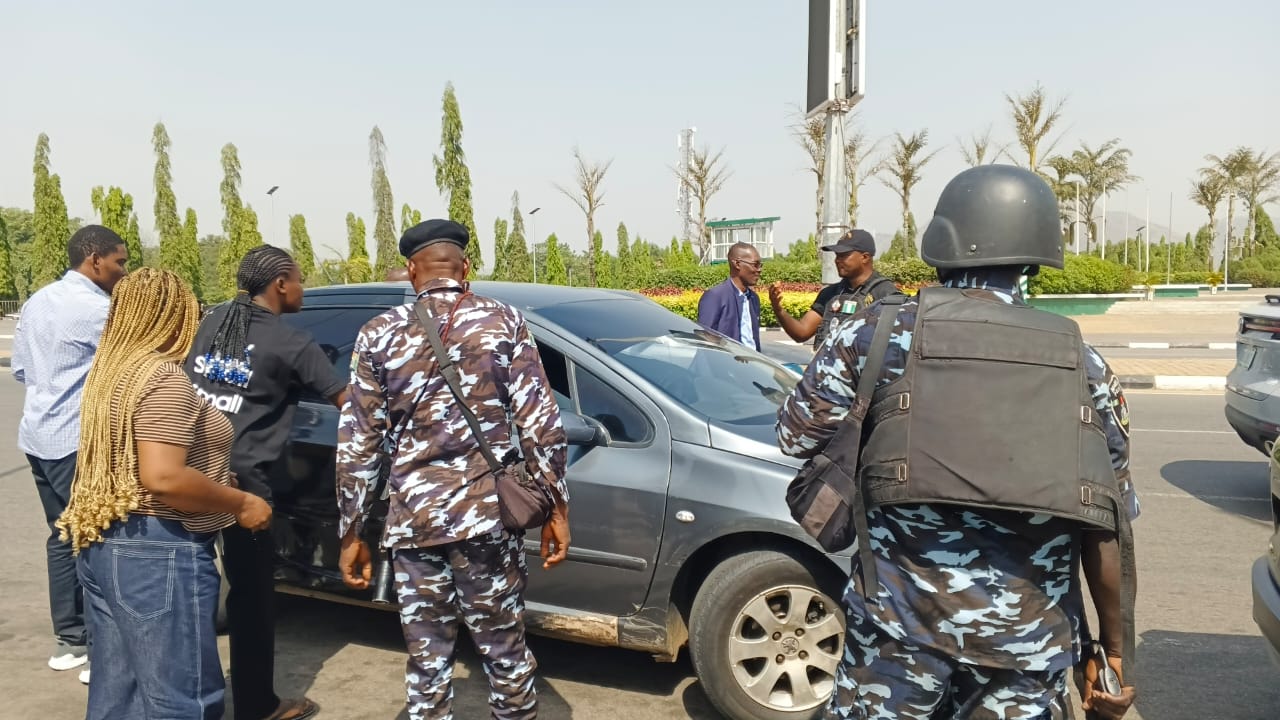
He explained that the ongoing enlightenment campaign, which was in its third week, involved a joint task force comprising the Nigeria Police Force, Nigeria Security and Civil Defence Corps, Department of State Services and the Directorate of Road Traffic Services.
Gwary, however, warned that the administration would soon move from public sensitisation to strict enforcement, adding that motorists found violating traffic regulations would face appropriate sanctions.
Also speaking, Mr Usman Abdulmuminu, who represented the Mandate Secretary of the FCT Transport Secretariat, Mr Chinedum Elechi, said the terminal was in line with President Bola Tinubu’s Renewed Hope Agenda to provide modern and commuter-friendly transport infrastructure.
Abdulmuminu assured residents that transport fares at the terminal remained unchanged and that commuters would not be charged any entry fees. He explained that transport operators only paid a token fee when loading passengers and exiting the terminal.
He added that the mandatory registration and logging of vehicles and passengers at the facility had helped eliminate the threat posed by ‘one-chance’ operators.

According to him, the administration is also working to deploy at least 100 additional buses soon to increase the terminal’s transport capacity, while sustaining public awareness through television, radio and social media platforms.
Meanwhile, some commuters have commended the FCTA for the initiative, describing the air-conditioned waiting lounges and organised boarding system as welcome relief.
A civil servant, Prince Emmanuel Adewale, appealed to the government to introduce Compressed Natural Gas (CNG)-powered buses at the terminal to reduce transportation costs for workers.
Adewale also urged the authorities to introduce strict screening measures to prevent drivers under the influence of alcohol from operating vehicles and ensure that the terminal remained free of touts.

