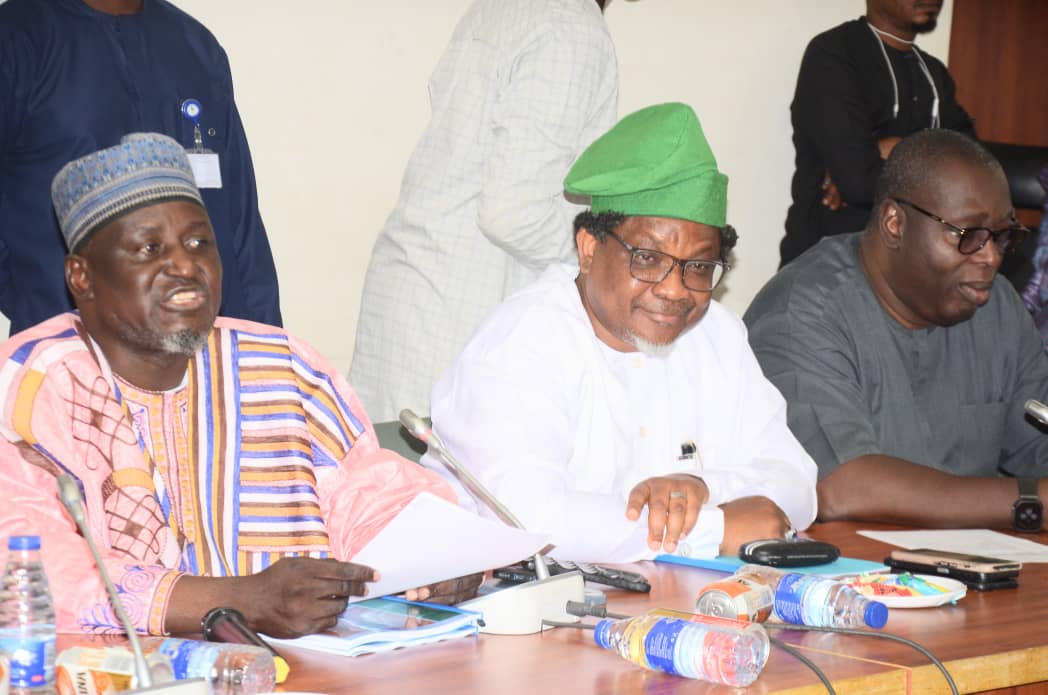
The House of Representatives has resolved to work together with the downstream sector to sustain energy security in Nigeria.
Lawmakers noted that for too long, the relationship between the National Assembly and the men and women who move fuel from vessel to depot, from depot to station, and from station to the ordinary Nigerian, has been conducted at a distance.
The Chairman House Committee on Petroleum Resources (Downstream), Mr. Ikenga Ugochinyere made the disclosure at an interactive session with executives of the Petroleum Marketers’ Association and domestic refiners on importation and domestic refining, in Abuja.
“We have read about you in the news. We have heard about your struggles in reports. We have debated your challenges in our chambers, often without you in the room to speak for yourselves. That era ends today. We are here today not to interrogate, not to accuse and not to put anyone on trial. We are here to listen. We are here to talk to one another as partners who share one common destiny: a Nigeria where energy is affordable, where supply is stable and where no citizen is made to suffer for products that should ordinarily be within reach,” Mr. Ugochinyere said.
He said that the Committee has resolved that no policy affecting the downstream sector will be shaped in the dark.
“We cannot regulate what we do not understand, and we cannot understand what we have not heard directly from those who live it every single day. That is why we have summoned you, not to a hearing, but to a conversation,” he said.
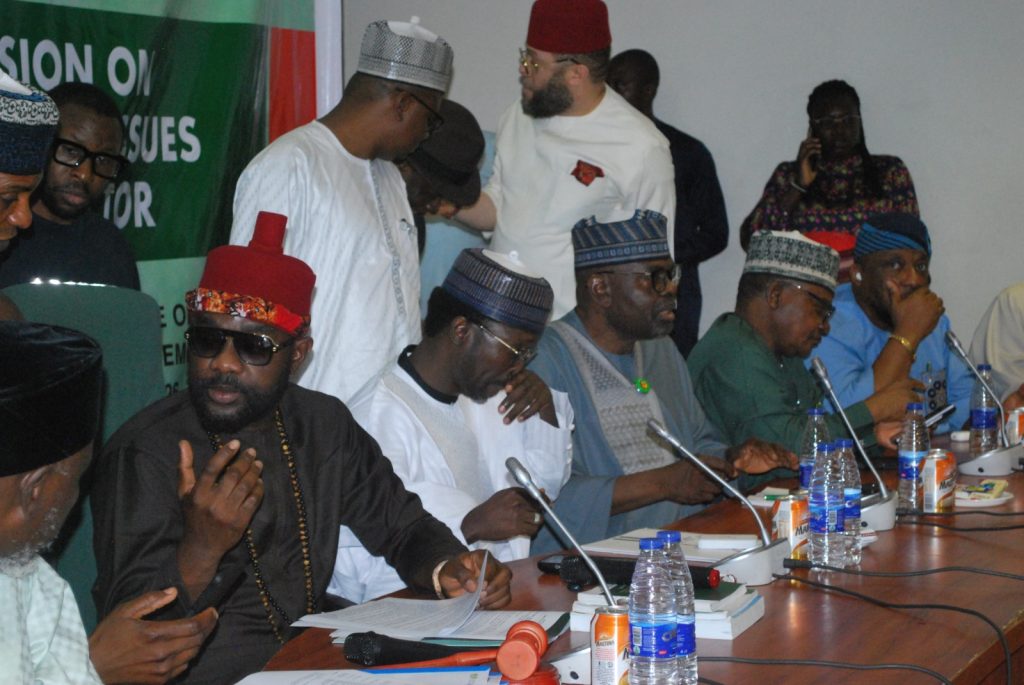
Mr. Ugochinyere noted that Nigeria stands at a defining moment in her energy history.
“Domestic refining capacity is growing. Importation dynamics are shifting. Pipeline security remains a national priority. And through it all, you, the marketers, the depot owners, the independent operators and the major players, are the bridge between policy and the pump. When that bridge is strong, Nigerians feel it in stable prices and steady supply. When that bridge is strained, the whole nation feels it too,” he stated.
The Chairman urged the industry players to speak boldly, honestly, and in the interest of the Nigerian people.
“So today, we ask you to speak freely. Tell us where importation regulations help you and where they hurt you. Tell us what domestic refining truly means for your businesses and for the millions of Nigerians who depend on you. Tell us what has worked, what has failed,” he noted.
He said that henceforth, the Committee choose partnership over suspicion, dialogue over decree, and understanding over assumption.
In his submission, the Executive Secretary of Depot and Petroleum Products Marketers Association of Nigeria (DAPPMAN), Mr. Olufemi Adewole, highlighted the challenges of the organisation.
He lamented that depots workers have not had any training activities in the last one year.
“Issues relating to importation regulations and thelr impact on operations. Issues relating to domestic refining, including engagement with local refineries and its effect on supply and pricing,” Mr. Adewole said.
He also called for periodic review of petroleum supply chain in Nigeria.
He also assured the committee of their availability to further proffer recommendation as might be required in support of the committee’s deliberations.
Similarly, the Chairman of the Independent Petroleum Marketers Association of Nigeria, (IPMAN), Mr. Abubakar Shettima said that prices of petroleum products fluctuates due to international influence
He also said that marketers transfer taxes to consumers as they can not bear it alone.
On his part, the Executive Secretary of the Major Energies Marketers Association of Nigeria (MEMAN), Mr. Clement Isong, said the association abides by all safety regulations that apply in the sector.
He also suggested that the Nigerian government get more involved in importation and price regulations.
Lawmakers asked questions bothering on road safety, oil price fluctuations amongst others.