
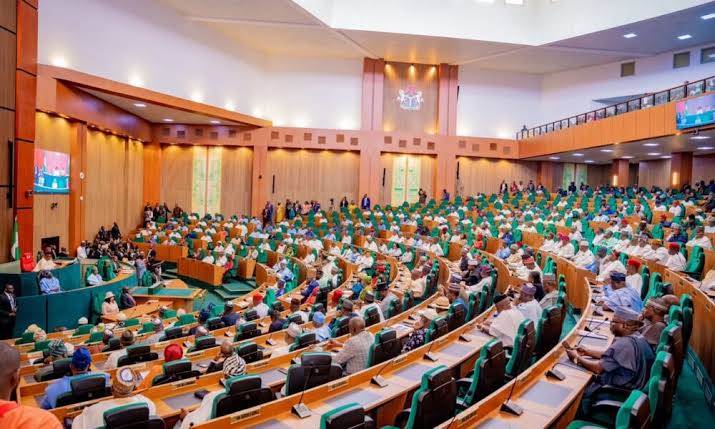
The House of Representatives has commenced moves to strengthen Nigeria’s internal security framework through proposed legislation aimed at improving intelligence operations, funding, research, and professional training within the Department of State Services (DSS).
The move came as the House Committee on National Security and Intelligence held a public hearing on three bills seeking to establish a DSS Security Trust Fund, a DSS Research and Development Bureau, and a Strategic Intelligence Management Institute.
Declaring the hearing open, Speaker of the House of Representatives, Tajudeen Abbas, described national security as the foundation upon which economic growth, social development, and democratic governance depend.
READ ALSO: National Security Adviser Vows to Tackle Internal Insecurity
He noted that insecurity continues to threaten lives and livelihoods across the country, making it necessary to strengthen the nation’s intelligence and security architecture.
According to Abbas, the proposed bills address key challenges facing Nigeria’s security institutions, including terrorism, banditry, kidnapping, cybercrime, transnational crimes, and other emerging threats.
He stressed that tackling these challenges require more than conventional responses, emphasising the need for sustained investment in intelligence gathering, innovation, research, professional development, and institutional resilience.
The Speaker said intelligence agencies require adequate funding, modern equipment, logistics, and improved welfare structures to operate effectively in an increasingly complex security environment.
He explained that the proposed DSS Security Trust Fund seeks to provide a more sustainable and predictable funding framework capable of enhancing operational readiness and institutional effectiveness.
Indigenous Solutions
Abbas also highlighted the importance of developing indigenous solutions to security challenges.
He said the proposed DSS Research and Development Bureau would help build local expertise, promote technological innovation, and strengthen evidence-based intelligence systems tailored to Nigeria’s unique realities, including its geography, demographics, and security challenges.
On human capacity development, Abbas said the proposed Strategic Intelligence Management Institute would provide specialised training, knowledge development, and professional support for intelligence personnel.
The Speaker noted that strengthening the skills and competence of security professionals was essential for addressing contemporary and emerging security threats.
He described the three bills as a comprehensive package designed to improve intelligence capacity, encourage innovation, enhance professionalism, and deliver better security outcomes for Nigerians.
Abbas urged stakeholders, including government agencies, security institutions, academics, civil society groups, and legal experts, to make meaningful contributions to enrich the proposed legislation.
Chairman of the House Committee on National Security and Intelligence, Ahmed Satomi, said the public hearing represented a critical stage in the legislative process.
He noted that the bills are interconnected, focusing on sustainable funding, professional training, indigenous research, and technological advancement within the intelligence community.
Satomi emphasised that national security requires collective effort and urged participants to provide factual and constructive submissions that would strengthen the draft laws and improve service delivery while protecting citizens’ rights.
During the hearing, the DSS expressed support for the proposed Security Trust Fund but recommended amendments to some provisions.
Clear Funding Mechanism
The Service called for clearer funding mechanisms, a review of the proposed governing board structure, and the removal of provisions allowing contributions from international organisations.
The DSS also cautioned that the proposed Strategic Intelligence Management Institute could duplicate the functions of an existing institution unless its mandate is clearly defined.
The Service further argued that the bill should specify a fixed funding formula rather than leave annual allocations to legislative discretion.
Despite its concerns, the DSS endorsed the bill and urged lawmakers to pass the legislation as part of efforts to strengthen Nigeria’s national security and intelligence capabilities.


.)