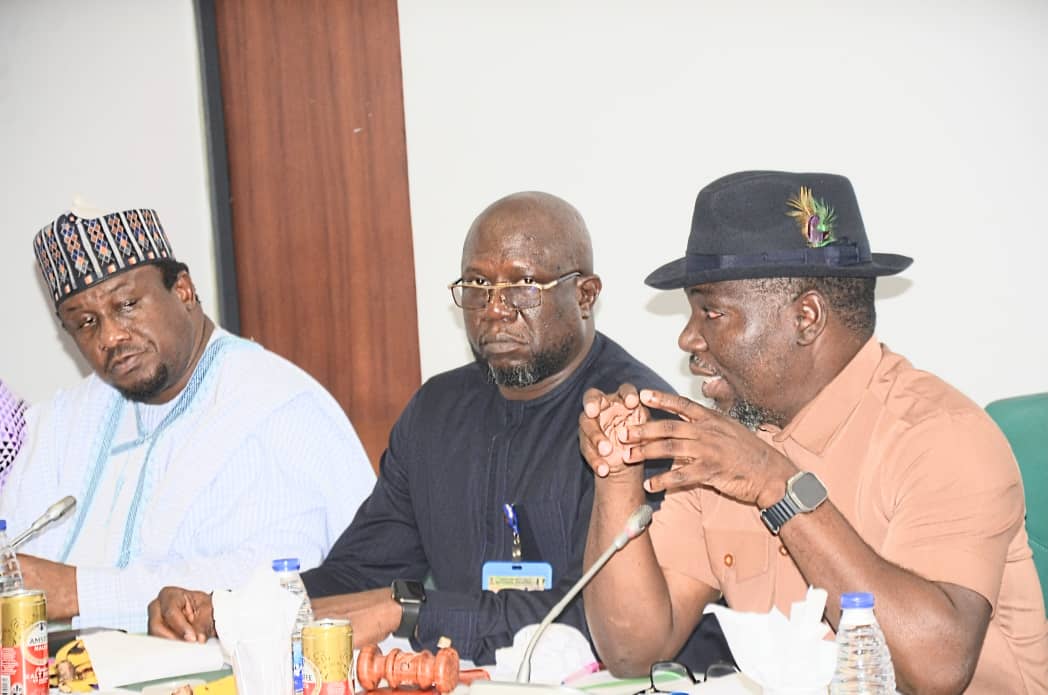
The House of Representatives has moved to expand funding sources for the South South Development Commission (SSDC) to enable it to discharge its statutory responsibility of facilitating sustainable development in the region.
The Chairman of the House Committee on the South South Development Commission, Mr. Julius Pondi, disclosed this at the resumed public hearing on a Bill to amend the South South Development Commission (Establishment) Act, 2025.
He said “the bill seeks to strengthen the Commission’s financial framework.”
Mr. Pondi explained that “the hearing was reconvened after regulatory agencies, the Oil Producers Trade Section (OPTS), and some of its member companies were unable to attend the earlier session due to their participation in the Nigerian Oil and Gas Conference.”
He said the committee reconvened the hearing to ensure broad stakeholder participation, given the strategic importance of the oil and gas industry to the proposed amendment.
According to him, “the House remains committed to a transparent and consultative legislative process.. Public hearings provide stakeholders with the opportunity to contribute to lawmaking.”
Mr. Pondi noted that despite the South-South’s significant contribution to national revenue through petroleum production, maritime commerce and other sectors, the region still faces major developmental challenges requiring sustained intervention and adequate funding.
He said “the committee would consider expert opinions and stakeholder submissions on the proposed funding framework before making recommendations to the House.”
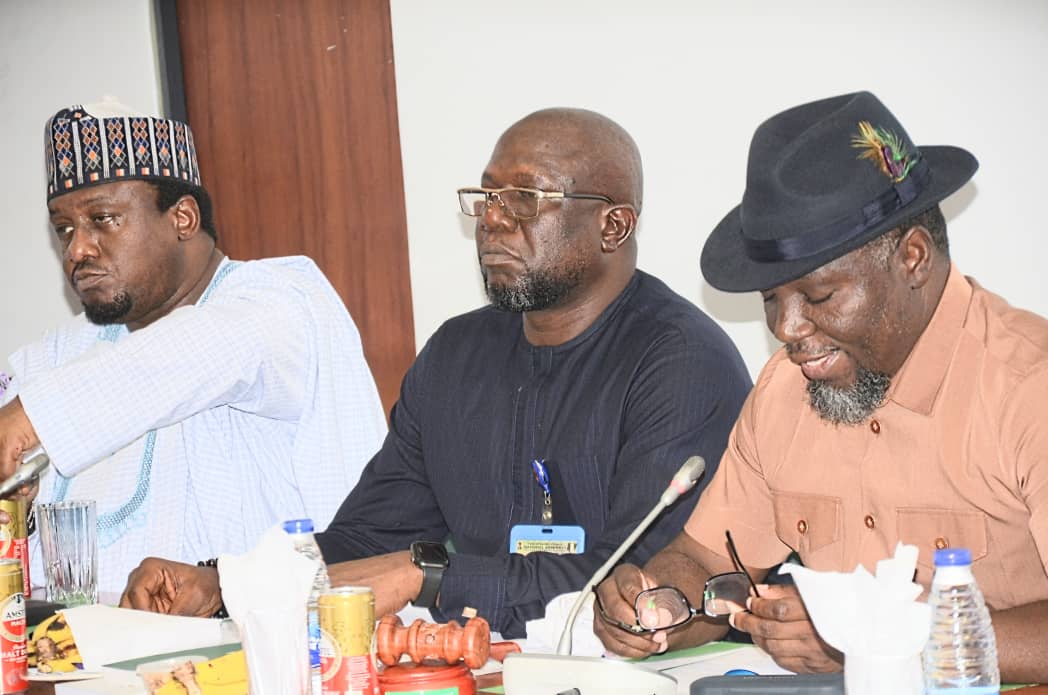
Presenting the position of the Nigerian Upstream Petroleum Regulatory Commission (NUPRC), the Commission’s Chief Executive, Mrs. Oritsemeyiwa Eyesan, represented by the Head of Regulations and Statutory Compliance, Kingsley Chikwendu, supported the establishment of a predictable, transparent and sustainable funding framework for the Commission.
However, the NUPRC raised concerns over the proposal requiring oil and gas companies operating in the South-South to contribute three per cent of their total annual budgets to the Commission.
The Commission said “the term “total annual budget” was not defined in the bill, creating uncertainty over the basis for assessment, payment, enforcement and treatment of joint venture operations and companies operating across multiple regions.”
It warned that the proposal could amount to another expenditure-based levy regardless of profitability, while noting that operators already meet several statutory obligations, including royalties, petroleum taxes, the Niger Delta Development Commission levy, Host Community Development Trust Fund contributions, the Nigerian Content Development Fund, environmental remediation obligations and abandonment fund contributions.
The Commission urged lawmakers to assess the potential impact of the proposed levy on production costs, investment and the competitiveness of Nigeria’s upstream petroleum sector.
Also presenting the position of the Nigerian Midstream and Downstream Petroleum Regulatory Authority (NMDPRA), Senior Manager, Mr. Ahmed Laido, urged the committee to ensure any additional funding mechanism aligns with the Petroleum Industry Act, 2021.
He said “any new financial obligation should promote regulatory certainty, encourage long-term investment and strengthen investor confidence without undermining the petroleum industry’s competitiveness.”
Similarly, the Oil Producers Trade Section (OPTS) of the Lagos Chamber of Commerce and Industry cautioned against imposing another statutory levy on oil and gas operators.
Its Chairman, Mr. Bala Wudiri, said “operators already make substantial statutory contributions under existing laws and warned that an additional three per cent levy could increase costs, duplicate existing obligations and reduce Nigeria’s attractiveness for investment.”
He called for greater clarity on the proposed funding mechanism and urged lawmakers to adopt a balanced approach that would strengthen the Commission without discouraging investment.
The committee is expected to review stakeholders’ submissions before presenting its recommendations to the House of Representatives for further legislative consideration