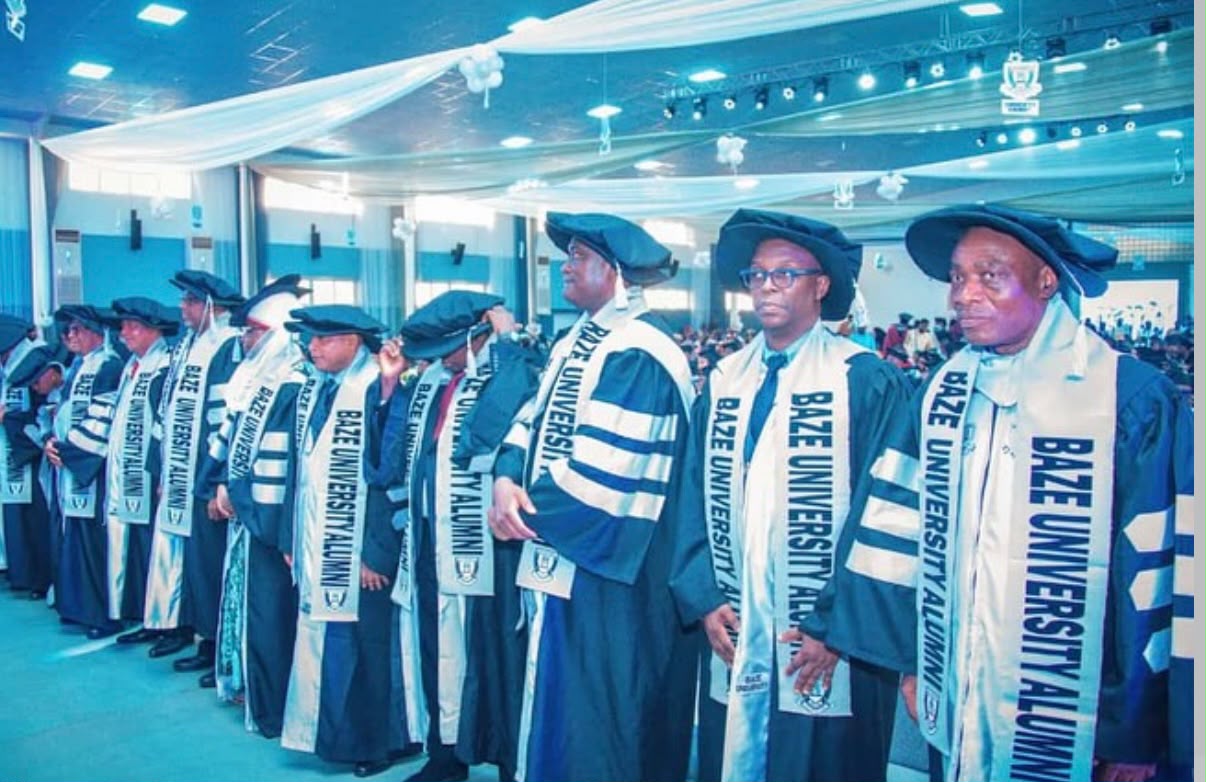
Baze University has introduced wide-ranging reforms to its Doctor of Philosophy (PhD) programme, aimed at strengthening research training, improving academic supervision and aligning its doctoral education with international standards.
The reforms, approved by the university’s management, introduce a revised doctoral structure that places greater emphasis on research competence, academic rigour and quality assurance throughout the programme.
Under the new framework, all newly admitted doctoral students will spend their first academic year as Provisional PhD students, completing compulsory coursework in research methodology, academic writing, critical analysis and related disciplines before advancing to the research stage.
To progress, students must successfully defend their research proposals before an academic panel. Only candidates who meet the required academic standards will be admitted to full PhD candidature and proceed with independent research leading to the completion of their theses.
The revised programme also introduces enhanced supervision through collaboration with experienced academics from universities within Nigeria and overseas. The initiative is expected to broaden students’ research exposure, strengthen mentorship and improve the overall quality of doctoral research.
As part of measures to encourage academic excellence, the University has established an annual award for the Best PhD Thesis, recognising outstanding research that demonstrates originality, methodological strength and significant contribution to knowledge.
Another new initiative is an annual award for the Best Published Lectures, designed to acknowledge lecturers whose scholarly presentations are successfully developed into quality academic publications.
Vice-Chancellor of the University, Professor Abiodun Adeniyi, said the reforms were introduced to ensure that the institution’s doctoral graduates meet globally accepted standards of scholarship and research.
According to him, the new measures will enhance the quality of doctoral education by strengthening research training, improving supervision and promoting academic excellence.
He added that the University would continue to review its postgraduate programmes to keep pace with emerging developments in higher education and research, while equipping graduates with the knowledge and skills required to contribute meaningfully to national and global development.