The Katsina State Government has launched a statewide nutrition survey to generate reliable data that will strengthen policies and interventions aimed at improving nutritional outcomes for children and women.
The survey, conducted by the Katsina State Bureau of Statistics in collaboration with the Ministry of Health, UNICEF, and other development partners, will cover the 34 Local Government Areas using the Standardised Monitoring and Assessment of Relief and Transitions (SMART) methodology.

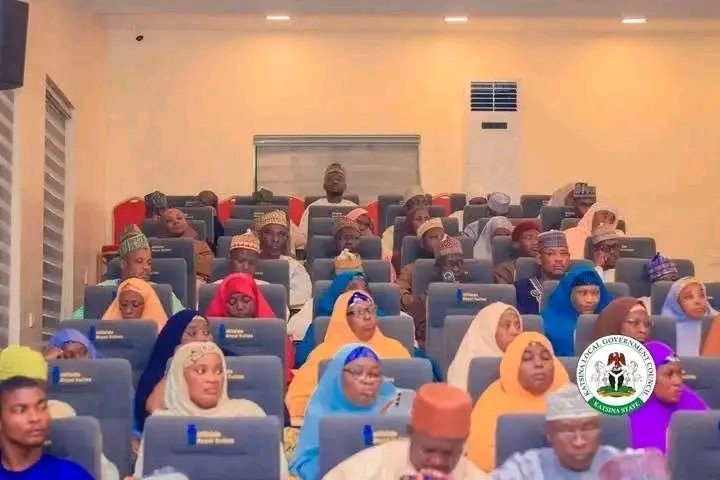
Speaking at the flag-off, the Statistician-General of the state, Professor Saifullahi Sani Matazu, said the exercise would provide credible data to guide policy formulation, planning, and the effective allocation of resources.
He explained that the survey would assess child wasting, stunting and underweight, maternal nutrition, infant and young child feeding practices, health-seeking behaviour, as well as access to water, sanitation and hygiene.
The 2025 SMART survey showed that 7.4 per cent of children in the state suffered from Global Acute Malnutrition, while 46.3 per cent were stunted and 25.8 per cent were underweight. The figures underscored the need for sustained evidence-based interventions to tackle malnutrition.
UNICEF commended the state government for conducting the survey and Governor Dikko Umar Radda for providing a dedicated budget for the exercise, saying Katsina was the first state in Nigeria to make specific budgetary provision for the survey.
The Special Adviser to the Governor on Primary Healthcare, Hon. Lawal Mukhtar, said the findings would strengthen the state’s nutrition and primary healthcare programmes.
Mukhtar disclosed that Outpatient Therapeutic Programme centres increased from 147 in 2024 to 406 in 2026, while Stabilisation Centres rose from seven to 15.
The Chairman, Danja Local Government Area. Hon. Rabo Tambaya, speaking on behalf of the 34 local government chairmen of the state, pledged their support for the exercise, including community mobilisation and engagement with traditional and religious leaders.
Stakeholders stressed that the value of the survey would depend on translating its findings into effective policies and targeted interventions to reduce malnutrition and improve maternal and child health.