
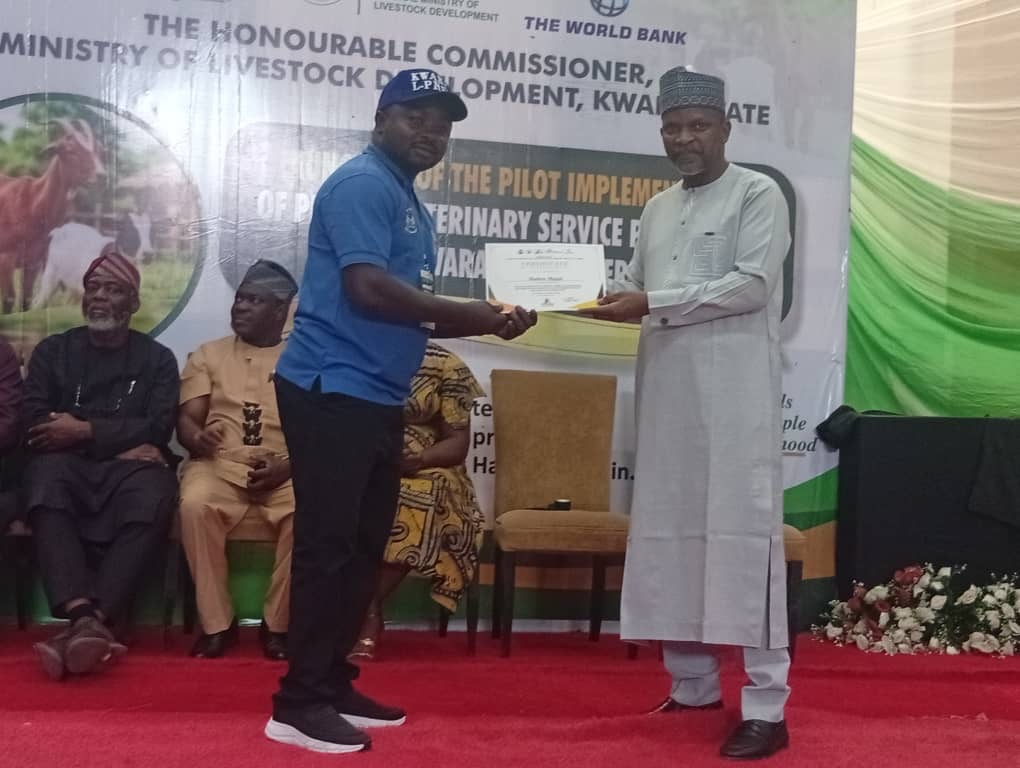
The National Livestock Productivity and Resilience Support Project (L-PRES) is expanding veterinary services to underserved rural communities through the deployment of private veterinarians and veterinary para-professionals to livestock clusters across 13 states.
The National Coordinator of L-PRES, Dr Sanusi Abubakar, disclosed this in Ilorin, Kwara State, during the launch of the pilot implementation of the Private Veterinary Service (PVS) programme.
Abubakar explained the initiative was being introduced against the backdrop of a shortage of veterinary doctors in rural communities, noting that more than 80 per cent of Nigeria’s veterinarians operated in the private sector, mainly in urban areas
READ ALSO: Gombe Livestock Ministry Seeks Breeders Support for Modernisation Drive
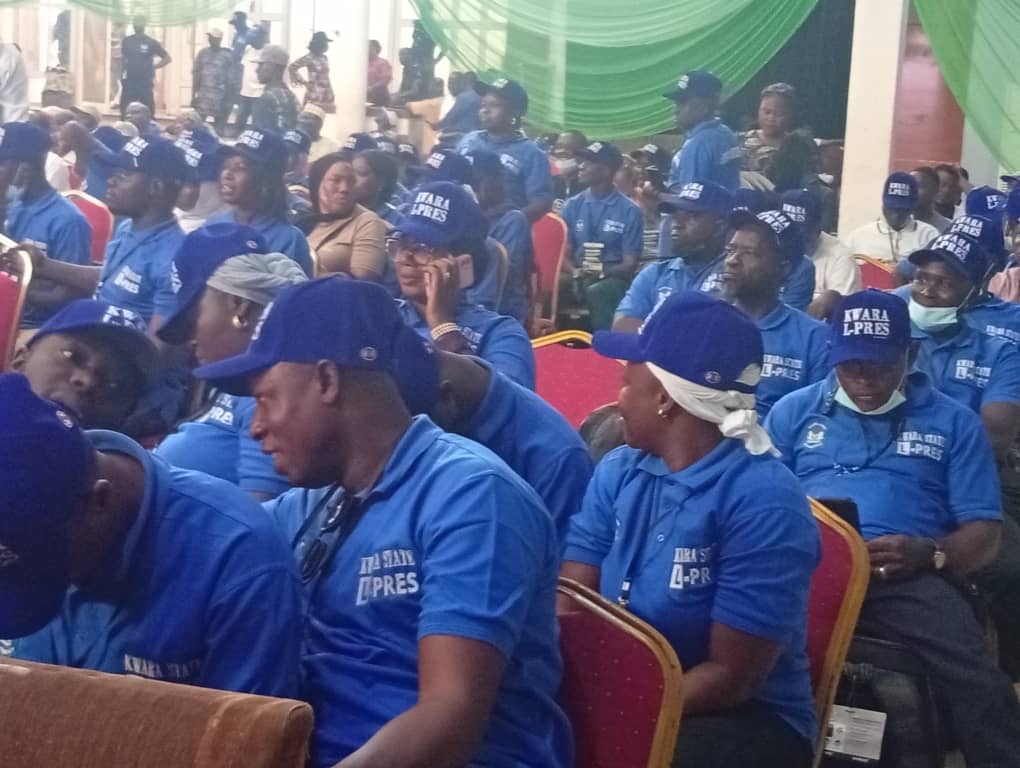
He said the shortage had limited livestock farmers in rural communities’ access to professional animal health services, thereby affecting disease control and livestock productivity.
L-PRES, in collaboration with the Federal Ministry of Livestock Development and the Office of the Chief Veterinary Officer of Nigeria, plans to deploy 780 private veterinarians and veterinary para-professionals to more than 1,000 livestock clusters across 13 states.
“Five others will work with one vet, making 60 vets in a state, and in 13 states, giving us a total of 780 vets,” Abubakar explained.
According to the National Coordinator, the programme was designed as a public-private partnership to provide quality veterinary services to livestock farmers, particularly those in underserved rural communities.
He said the initiative had the potential to reach at least 26,000 livestock farmers while strengthening the veterinary workforce and creating employment opportunities for young veterinarians and para-veterinary professionals.
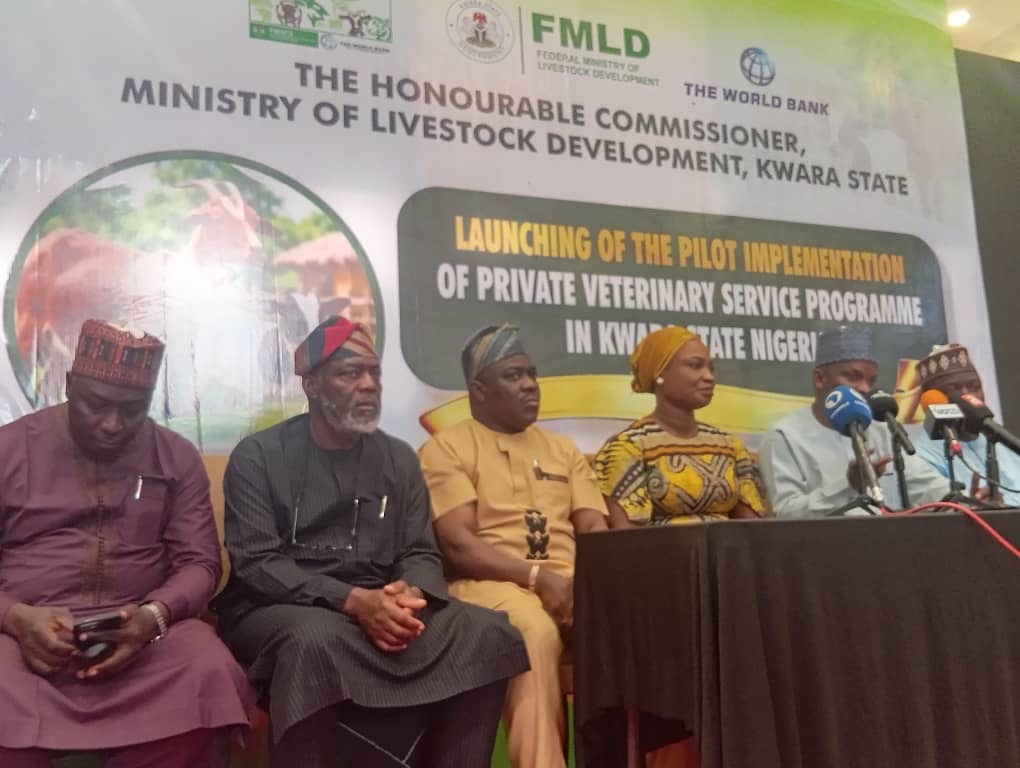
Abubakar noted that the PVS programme would also strengthen disease surveillance, facilitate early detection and response to outbreaks, and ultimately improve productivity in the livestock sector.
He described Kwara as one of the leading states in L-PRES implementation, noting that it was the first state where the PVS pilot programme was officially launched.
The National Coordinator disclosed that L-PRES had completed a Model Veterinary Hospital in Ilorin and a Strategic Animal Holding Facility at the Baruten border, while a pilot waste management plan was ongoing at Akerebiata in Ilorin.
He added that plans were underway to establish additional veterinary clinics and a strategic vaccine storage facility in Ilorin.
Abubakar commended the Kwara State Government for its support and cooperation towards the implementation of the project.
In her remarks, the Kwara State Commissioner for Livestock Development, Mrs Oloruntoyosi Thomas, said the state government was strengthening livestock production and animal health services through its partnership with L-PRES.
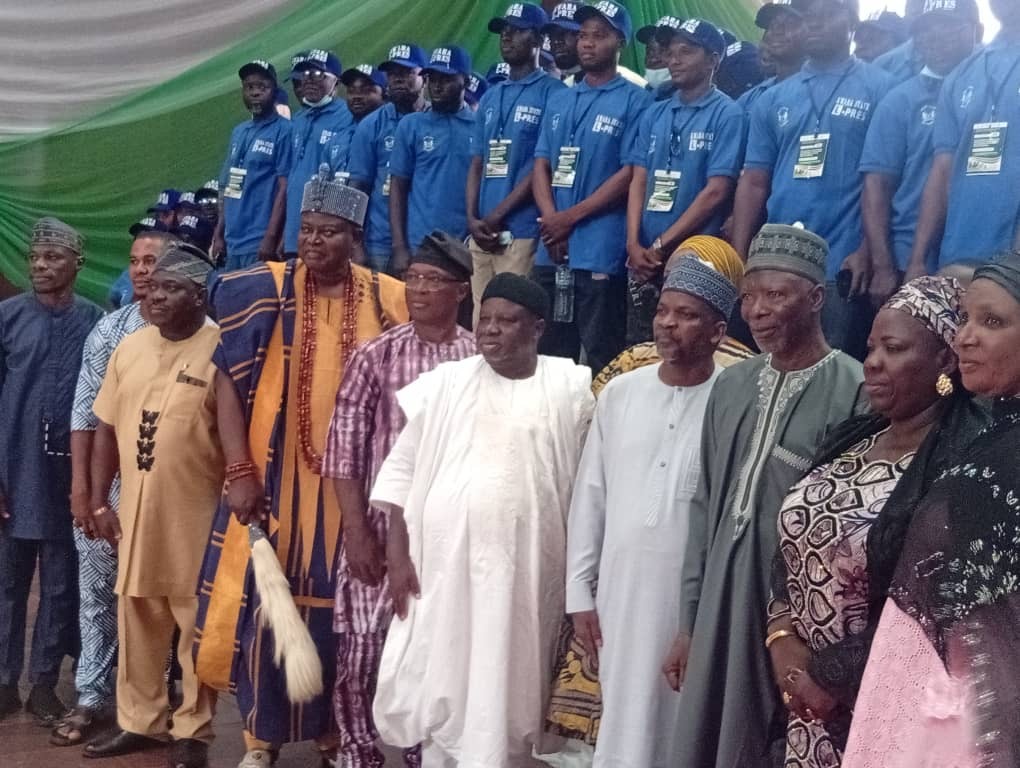
Thomas said the PVS programme would deploy selected private veterinarians to work alongside government veterinary officers to provide professional animal health services across the state.
She explained that the initiative would improve disease surveillance, expand vaccination coverage and strengthen the state’s response to disease outbreaks, while promoting the responsible use of veterinary medicines.
The commissioner said the state government had, over the past two years, implemented several interventions to improve the livestock sector, including artificial insemination and the provision of water, feed and pasture for pastoralist communities.
She added that demonstration farms had been established, while livestock farmers had received equipment, including threshers, crushers, pelleting and baling machines to support feed production.
According to Thomas, veterinary clinics and slaughter facilities across the state had also been renovated and equipped.
She disclosed that more than 238,000 animals had been vaccinated, while over 800 livestock value-chain players had been mapped and profiled, with more than 2,000 farmers trained under various interventions.
Thomas said improved animal health would lead to increased milk and meat production, better animal reproduction, improved livelihoods for livestock farmers and greater contribution of the livestock sector to the state’s economy.
The commissioner charged the private veterinarians engaged under the programme to discharge their responsibilities with integrity and professionalism, describing them as key partners in the development of the livestock sector.


 has raised concerns over the shortage of veterinary doctors in rural communities, saying more than 80 per cent of Nigeria’s veterinarians operate in the private sector, mainly in urban areas.)