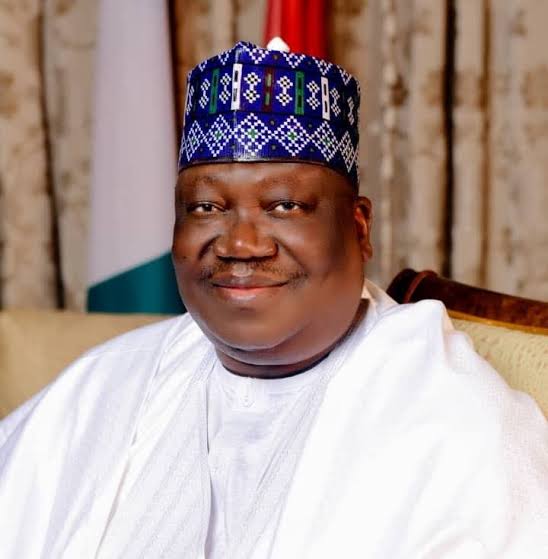
Nigeria’s former Senate President, Senator Ahmed Lawan, and the Chief of Defence Staff (CDS), General Olufemi Oluyede, have called for increased support for the Armed Forces of Nigeria and responsible defence reporting to strengthen the country’s national security.
They made the call in separate goodwill messages at the 2026 conference of the Defence Correspondents Association of Nigeria (DECAN), held in Abuja on Monday.
The conference, themed “Beyond Kinetic Warfare: Harnessing Technology and Intelligence-Led Operations for Nigeria’s National Security,” focused on the growing importance of technology, intelligence and strategic communication in addressing the country’s security challenges.
Lawan, who chairs the Senate Committee on Defence, commended the Armed Forces and other security agencies for their sacrifices in safeguarding the country, stressing that national security should not be left to uniformed personnel alone.
He also praised President Bola Ahmed Tinubu for making more resources available to the military and other security agencies, expressing confidence that Nigeria was making progress in addressing its security challenges.
READ ALSO: Nigeria Strengthens Integrated Approach To National Security
According to him, although the country has yet to achieve its desired level of security, the sacrifices of troops deserve greater recognition and sustained support from all Nigerians.
The former Senate President also commended defence correspondents for informing citizens about military operations, the sacrifices of troops and the collective responsibility of Nigerians in addressing insecurity.
He said, “The National Assembly remained committed to providing the necessary resources for the Armed Forces and other security agencies, noting that security remained a priority in the discharge of the government’s constitutional responsibilities.”
Lawan disclosed that in his more than 27 years in the National Assembly, he had not seen a request from the executive for the Armed Forces and other security agencies that was not approved.
He, however, advocated increased investment in military equipment and platforms as government revenues improve, suggesting that a specific percentage of national resources could be dedicated to strengthening the country’s security architecture.
He also proposed that defence and security budgets be placed on first-line charge to address challenges associated with delayed budget releases and ensure the timely availability of operational resources.
Lawan maintained that although Nigeria continued to face insurgency, banditry and other criminal activities, the security situation had improved compared with previous years, urging Nigerians not to dismiss the country’s security efforts.
In his goodwill message, CDS General Oluyede, who was represented by the Director of Defence Information, Major General Samaila Uba, described the conference theme as timely and reflective of the changing nature of modern warfare.
Oluyede said, “Contemporary conflicts were increasingly determined by superior information, real-time intelligence, technological capabilities, cyber resilience and the ability to manage the information environment, rather than firepower alone.”
He highlighted ongoing efforts by the Armed Forces to strengthen non-kinetic capabilities through the Defence Space Administration, the expansion of modular earth observation outposts in operational theatres, the establishment of the Defence Space School and the integration of artificial intelligence and advanced surveillance systems into military operations.
According to the CDS, these initiatives are designed to enhance intelligence gathering, improve operational decision-making, protect citizens and strengthen national security.
However, he warned against the growing misuse of artificial intelligence to create fake videos, manipulated images, cloned voices, and false operational claims targeting the military.
He said, “Such materials could mislead the public, incite fear, undermine confidence in the Armed Forces and weaken the relationship between the military and civilians.”
Describing deepfakes as instruments of psychological warfare, Oluyede noted that a single AI-generated video could undermine months of operational gains, endanger troops and trigger panic in affected communities.
He consequently urged DECAN members to prioritise accuracy over speed by verifying sensitive operational information with the Defence Headquarters before publication.
The CDS also called on defence correspondents to use their platforms to educate Nigerians on identifying synthetic media and promptly debunking fake content attributed to the Armed Forces.
He further urged journalists to embrace intelligence-led reporting that goes beyond sensational headlines to promote informed public understanding, strengthen joint military operations and counter extremist propaganda.
He assured DECAN of the Defence Headquarters’ continued support and open-door policy for timely and accurate information sharing, while commending the association for promoting professionalism, patriotism and partnership in defence reporting.