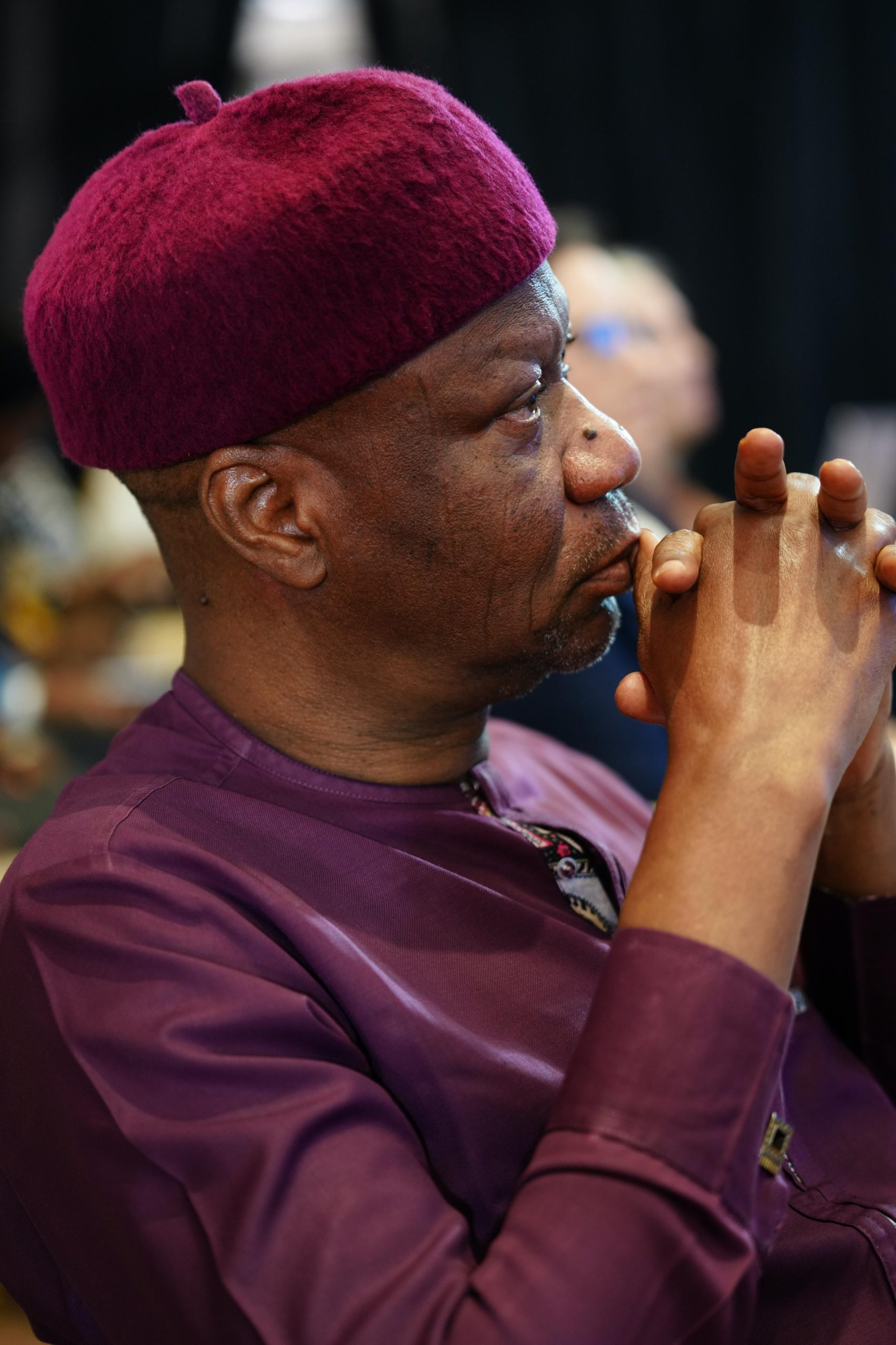
The Director of the Nigeria Office of the MacArthur Foundation, Dr Kole Shettima, has called on African countries to develop and own the infrastructure, knowledge systems and human capacity needed to participate meaningfully in the global artificial intelligence (AI) economy.
Shettima made the call in an exclusive interview with Voice of Nigeria on the sidelines of the BUILD 2026 Conference in Abuja.
He warned that Africa’s technological future could be undermined if the continent continued to depend on systems and ideas developed elsewhere without building the foundations needed to shape its digital development.
READ ALSO: Luminate, MacArthur Foundation Push Equitable AI Ownership in Africa
He said computing and AI required strong foundations, stressing that Africa must take responsibility for developing and owning these essential systems.
“Unless we have and own the foundation, build it ourselves, then that would be a very significant setback,” he said.
Shettima explained that African ownership must extend beyond physical technology infrastructure to include the knowledge, philosophies and perspectives that influence how technologies are designed and deployed.
He also called for inclusive technological development, particularly for people whose circumstances limited their access to emerging digital opportunities.
The foundation director noted that many rural communities lacked access to basic mobile phones, while underserved urban communities also faced infrastructure challenges.
“When you talk to them about artificial intelligence and other things, you are really like 2,000 kilometres away from where they are,” he said.
Shettima highlighted the barriers facing older people, low-income communities, women and persons with disabilities.
He said older people were increasingly vulnerable to AI-enabled fraud, while many lacked the knowledge and tools needed to access basic services.
Recalling efforts to obtain accessible materials for a visually impaired adviser, Shettima said: “throughout Kano, I mean, there was no Braille-enabled document that we can print for him to read.”
He said printing facilities later approached in Abuja were also unable to provide a usable document, describing the experience as evidence of the challenges confronting persons with disabilities.
Shettima stressed that accessibility should be incorporated into technological development from the outset rather than treated as an afterthought.
He also warned that technology-facilitated abuse could discourage women from participating in digital spaces.
“We know that a lot of, like, trolling of women,” he said, adding that technology was being used “to blackmail them in different forms and other things.”
He said some online images did not represent women accurately and could instead be used to degrade them, creating additional barriers to participation.
On the infrastructure required to support AI development, Shettima said the MacArthur Foundation was considering ways to support the infrastructure and human capacity needed to work with the technology.
“We have to build the water, the electricity,” he said, emphasising that advanced computing depended on essential services.
He noted that discussions about data centres and AI must take account of the electricity, water and skilled workforce required to sustain them.
Shettima also highlighted the need to address infrastructure gaps in underserved communities, arguing that technological ambitions must be matched by practical investment in basic services.
He said African countries needed technology systems that reflected the realities and needs of different groups to ensure that innovation did not deepen existing inequalities.
Shettima’s remarks underscored the need for African countries to move beyond consuming emerging technologies to developing and owning the systems, knowledge and infrastructure shaping the continent’s digital future.
He said building these foundations would strengthen Africa’s participation in the global AI economy while promoting local ownership and inclusion.