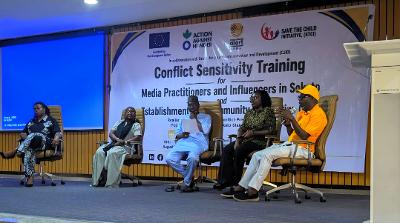
A two-day Conflict Sensitivity Training for media practitioners and social media influencers has ended in Sokoto State, with a call for evidence-based, responsible and peace-oriented reporting capable of countering misinformation, reducing tensions and strengthening social cohesion.
Organised under the Resilience, Engagement, and Conflict-Prevention for At-Risk Populations’ Protection (RECAP) Project by consortium partners in collaboration with the Centre for Journalism Innovation and Development (CJID), the initiative seeks to strengthen a media environment that can “inform without inflaming,” amplify credible voices, challenge harmful narratives and contribute to peace, social cohesion and resilience in Sokoto State.
Speaking for the organisers, Programme Manager, International Alert, Sunday Momoh Jimoh, said the training came at a critical time, given the security and socioeconomic pressures confronting communities in Sokoto and the wider North-West.
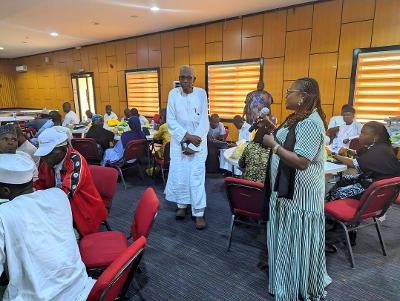
He said findings from the RECAP Peace and Conflict Analysis identified unemployment and poverty among the dominant drivers of conflict in Sokoto, stressing that media narratives should reflect these underlying realities rather than reduce complex issues to ethnic, religious or political interpretations.
READ ALSO: Nigerian Army Seeks Stronger Media Partnership
Jimoh urged journalists to consider not only the accuracy of their reports but also how language, framing, images and sources could affect communities and potentially amplify fear or deepen divisions.
“Journalists can influence how communities understand a crisis and how they respond to it,” he said, stressing that conflict-sensitive journalism should complement, rather than compromise, the media’s watchdog role.
According to him, conflict-sensitive reporting is not conflict-avoidant journalism, but a professional approach to reporting difficult realities accurately, responsibly and with sufficient context to minimise unintended harm.
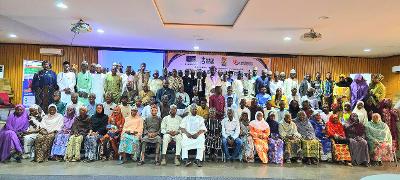
The training focused on conflict-sensitive and Do-No-Harm journalism, verification and rumour management, narrative framing, gender and social inclusion, SGBV-sensitive reporting, digital and AI-generated disinformation, journalist safety and the media’s constructive role in peacebuilding.
Conflict Advisor, International Alert, Dr Muhammad Abdullahi, urged journalists to embrace conflict-responsive and survivor-centred reporting, stressing that responsible journalism could help de-escalate tensions and strengthen peacebuilding.
“The constructive role of the media in peacebuilding is not to report less conflict. It is to report conflict more responsibly; and to ensure that the stories we tell do not only explain how violence happens, but also help society understand how peace can be built,” Abdullahi said.
He urged journalists to look beyond violence and blame to examine the underlying causes of conflict and highlight credible pathways to peace, while cautioning against inflammatory language, stereotypes, collective blame and negative labels.
On sexual and gender-based violence, Abdullahi stressed the need to protect survivors from further harm.
He cautioned against victim-blaming, sensationalism, graphic descriptions and disclosure of survivors’ identities, particularly children.
The panel, featuring representatives from government and private media, stressed the importance of evidence-based, audience-centred reporting that translates journalism from an output-driven activity into a tool for measurable public and policy impact.