The National Assembly has commended the Securities and Exchange Commission (SEC) for improving its fiscal sustainability through cost-cutting measures and enhanced revenue generation.
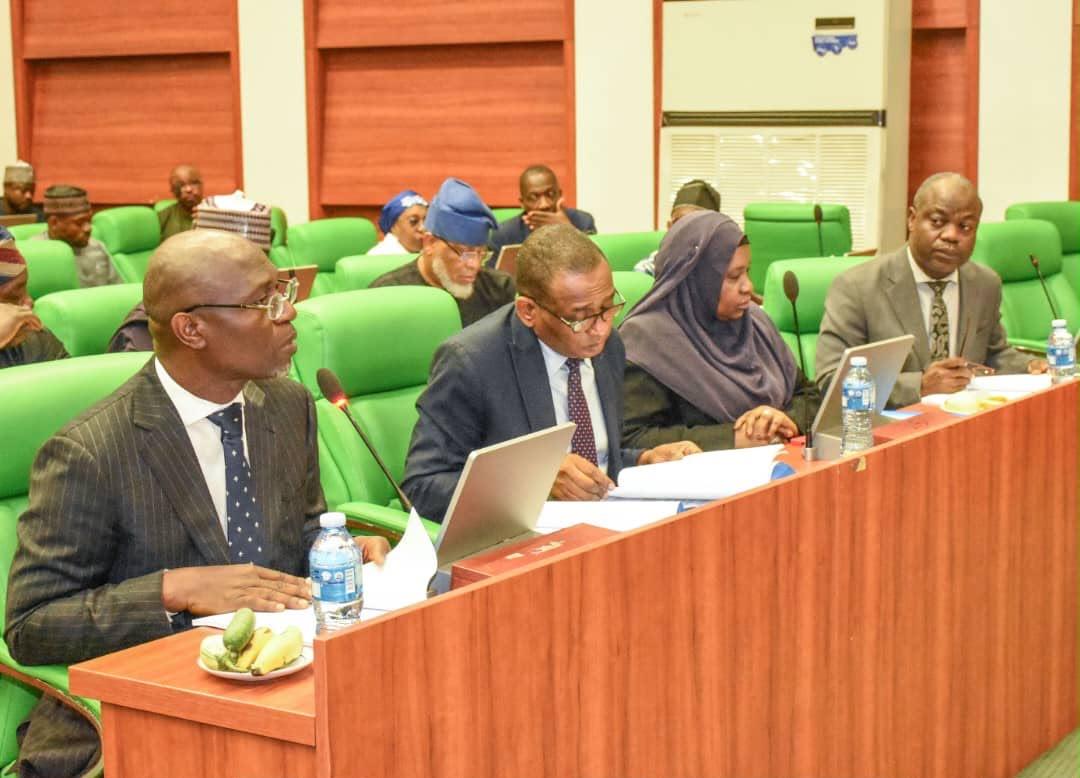
The Deputy Chairman of the House of Representatives Committee on Finance, Hon. Saeed Abdullahi, gave the commendation during the 2026 Revenue Monitoring Exercise with the Commission in Abuja.
Abdullahi lauded the SEC’s efforts in strengthening its finances and urged the Commission to sustain the momentum.
He challenged the Commission to exceed its 2026 revenue target, stating that, “You have told us your revenue projection for 2026, but we believe you can do more. We urge you to surpass your projection by at least 20 per cent, or even more.”
READ ALSO: Nigeria Achieving Fiscal Stability, Investor Confidence — President Tinubu
Earlier, the Director-General of the Commission, Dr Emomotimi Agama, told the committee that, in line with the principles of the International Organisation of Securities Commissions (IOSCO), securities regulators are expected to operate independently, with governments providing financial support where necessary.
According to Agama, the SEC currently receives no budgetary allocation from the Federal Government, relying instead on income generated from the capital market while still remitting funds to the government.
He explained that once the Commission’s revenues are paid into its account with the Central Bank of Nigeria (CBN), statutory deductions are made automatically before the SEC can access the funds.
Agama noted that, as a regulator, the SEC is careful not to overburden market operators with additional charges to fund its operations, adding that, to ease financial pressure, the Commission secured approval from the Minister of Finance for a waiver allowing it to retain 20 per cent of its income.
The SEC boss also disclosed that the Commission had secured a grant from the African Development Bank to acquire a modern market surveillance system, which is expected to be deployed this year to strengthen oversight of Nigeria’s capital market and align it with international standards.